
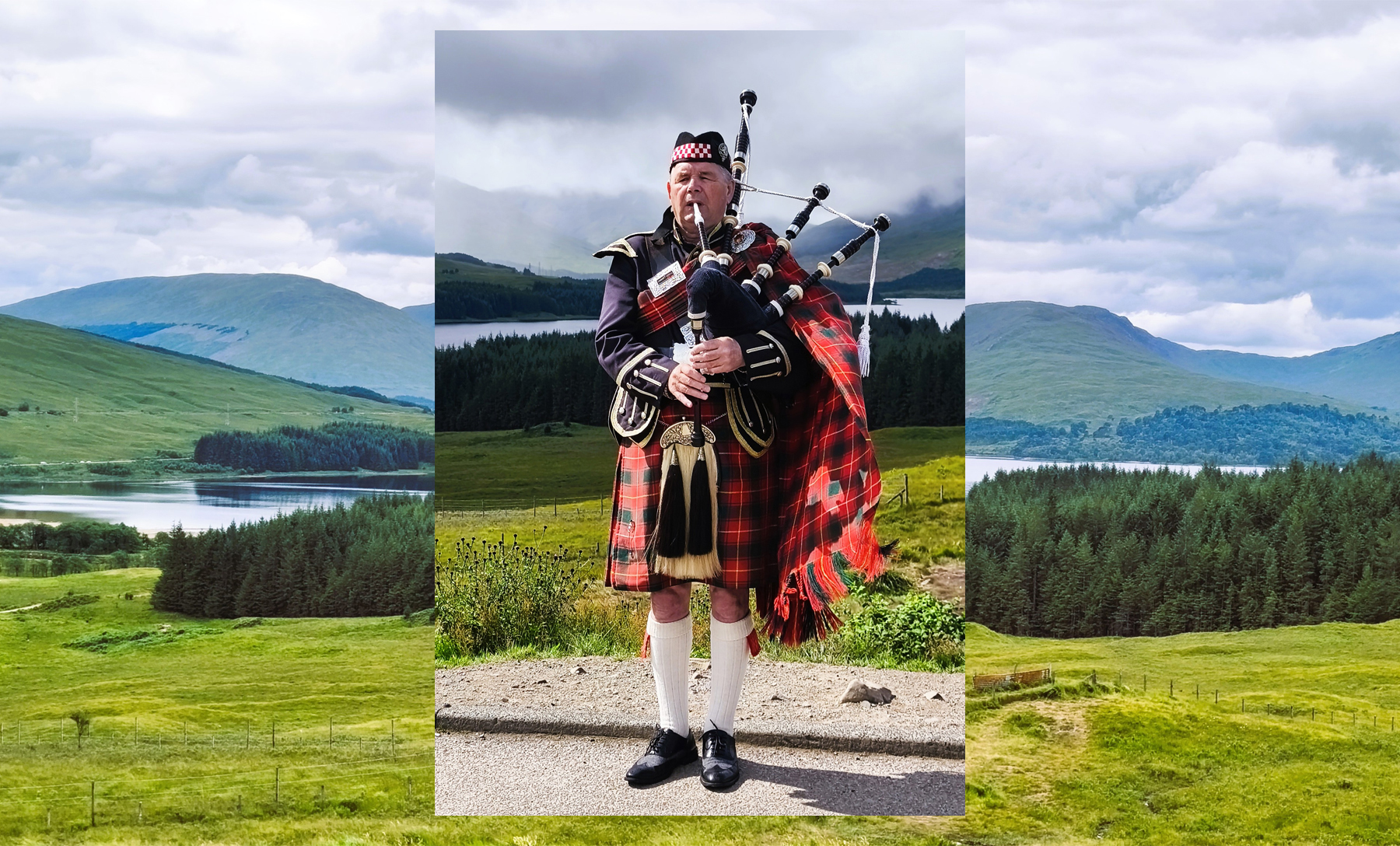
Almost 30 years ago, my husband and I had both visited Scotland, but separately, and at very different times in our lives. We had each seen different parts of the country, so coming back together, this time as a family, felt rather special.
We spent several days on the eastern side of Loch Lomond, then drove through the spectacular Glen Coe to Inverness, where we stayed for a couple of days before making our way back towards Gare Loch, on the western side of Loch Lomond, for a few more days.
There was a lot of driving involved. A lot! But every kilometre was worth it.
Loch Lomond and the Trossachs
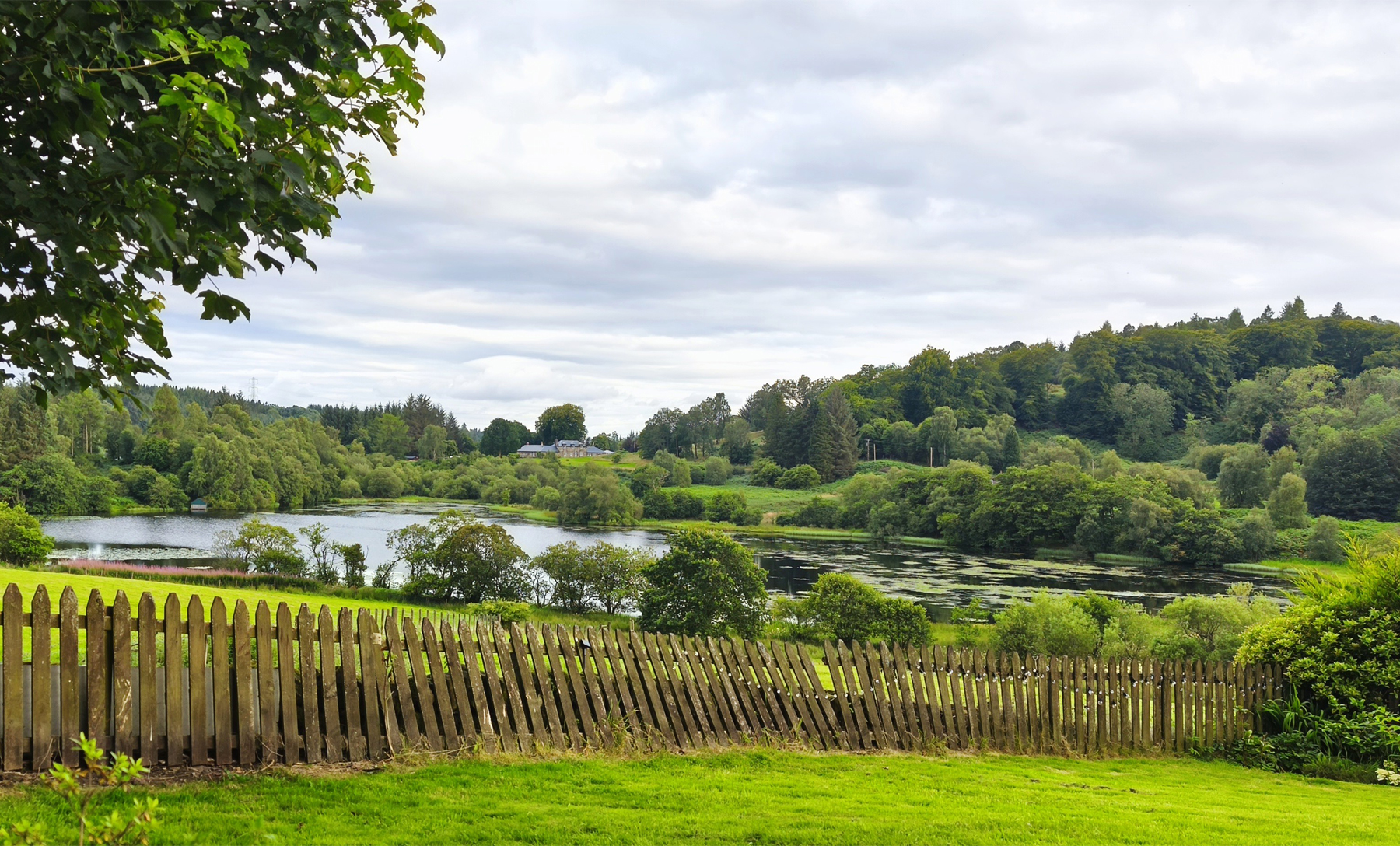 Carbeth Loch (view from our accommodation)
Our first base was Easter Carbeth, surrounded by nature and walking trails, with beautiful views over the tiny Carbeth Loch. It was the perfect place to slow down and enjoy the Scottish countryside, while still being within easy reach of Loch Lomond and plenty of interesting places to explore.
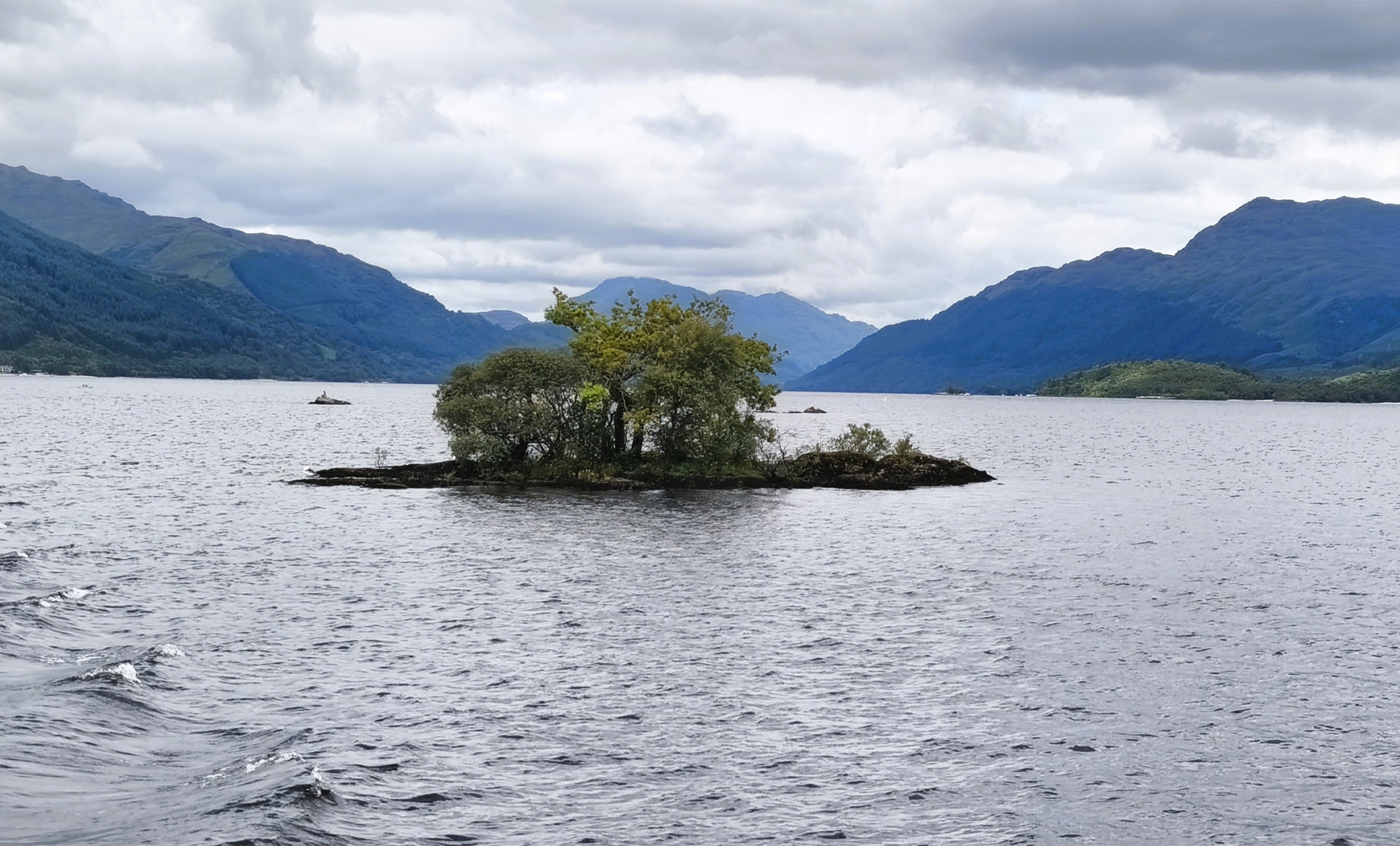 Loch Lomond
Established as Scotland’s first national park in 2002, Loch Lomond & The Trossachs National Park covers an enormous 1,865 square kilometres, with a boundary stretching for around 350 kilometres.
At its heart is the magnificent Loch Lomond, with its 22 islands and 27 islets. The shores of the loch are everything I imagined Scotland to be: charming little villages, rolling countryside, hills disappearing into the distance, and countless opportunities for walking, boating and simply stopping to admire the view.
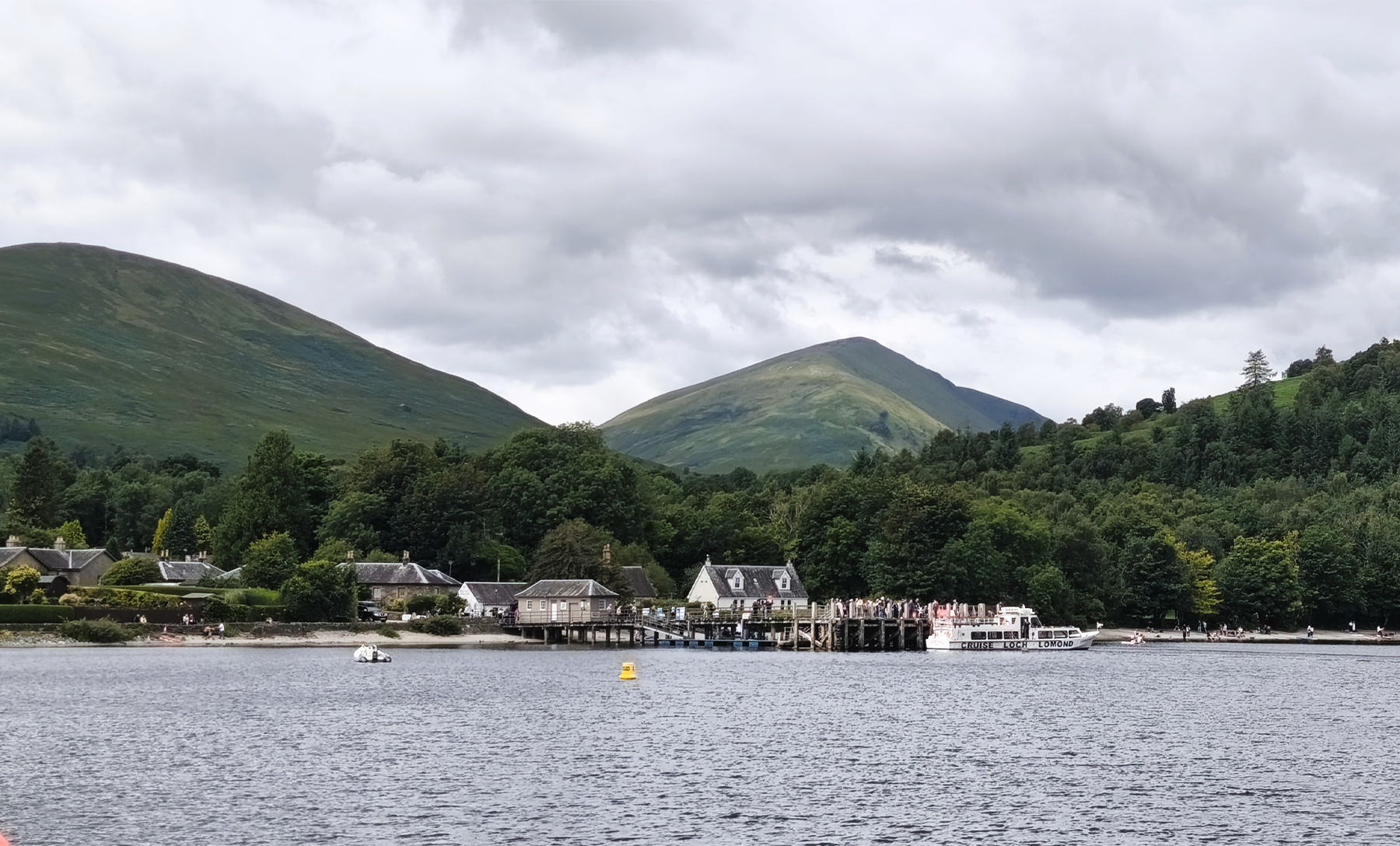 Luss
Balmaha
Balmaha, on the eastern shore of Loch Lomond, is a lovely little village and a popular starting point for climbing Conic Hill, which rewards hikers with spectacular views across the loch.
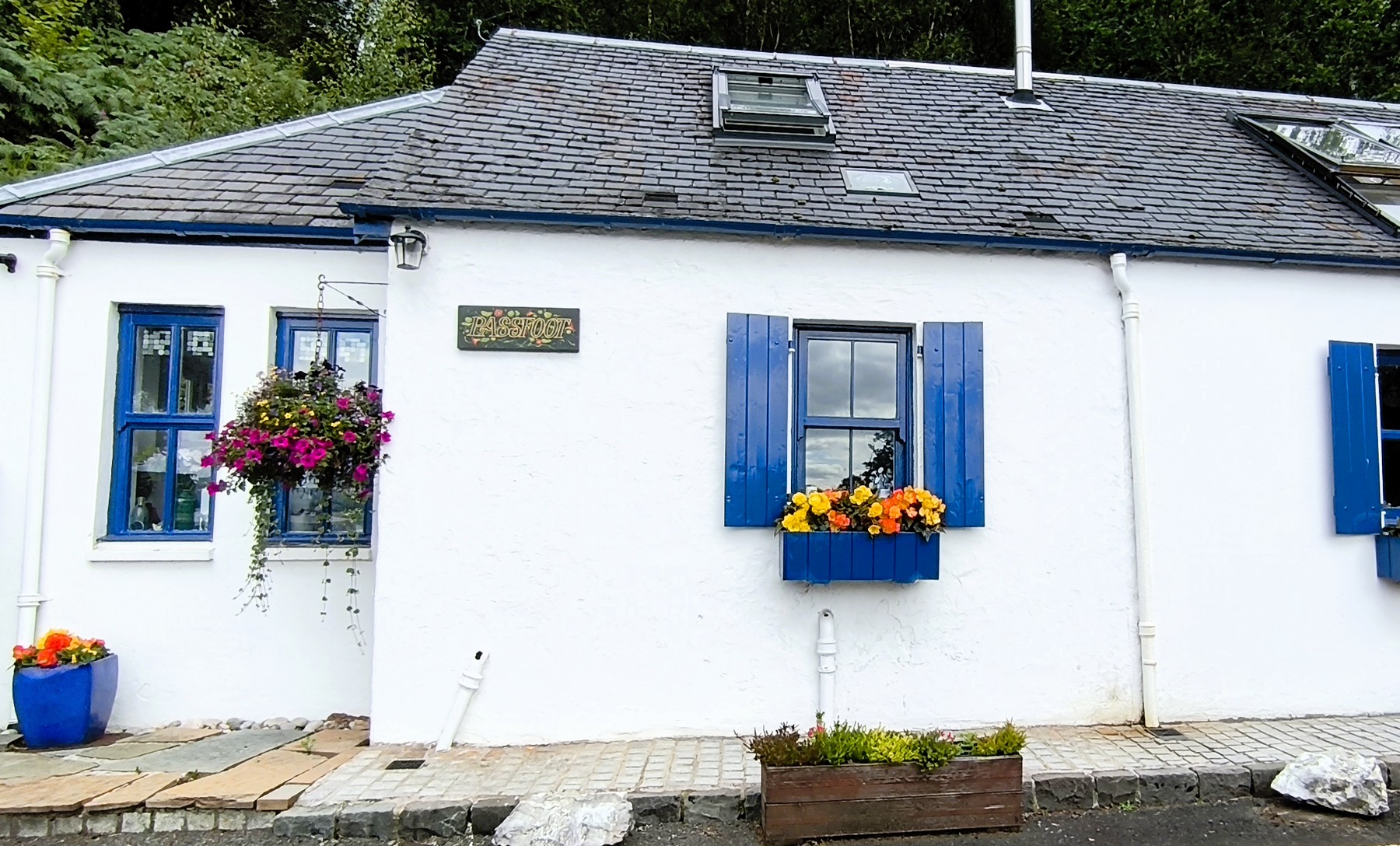
We decided to skip the strenuous climb, our legs were grateful, and instead followed an easy trail along the water’s edge before taking a cruise on the loch. Sometimes the best way to experience a landscape is simply to slow down and look at it.
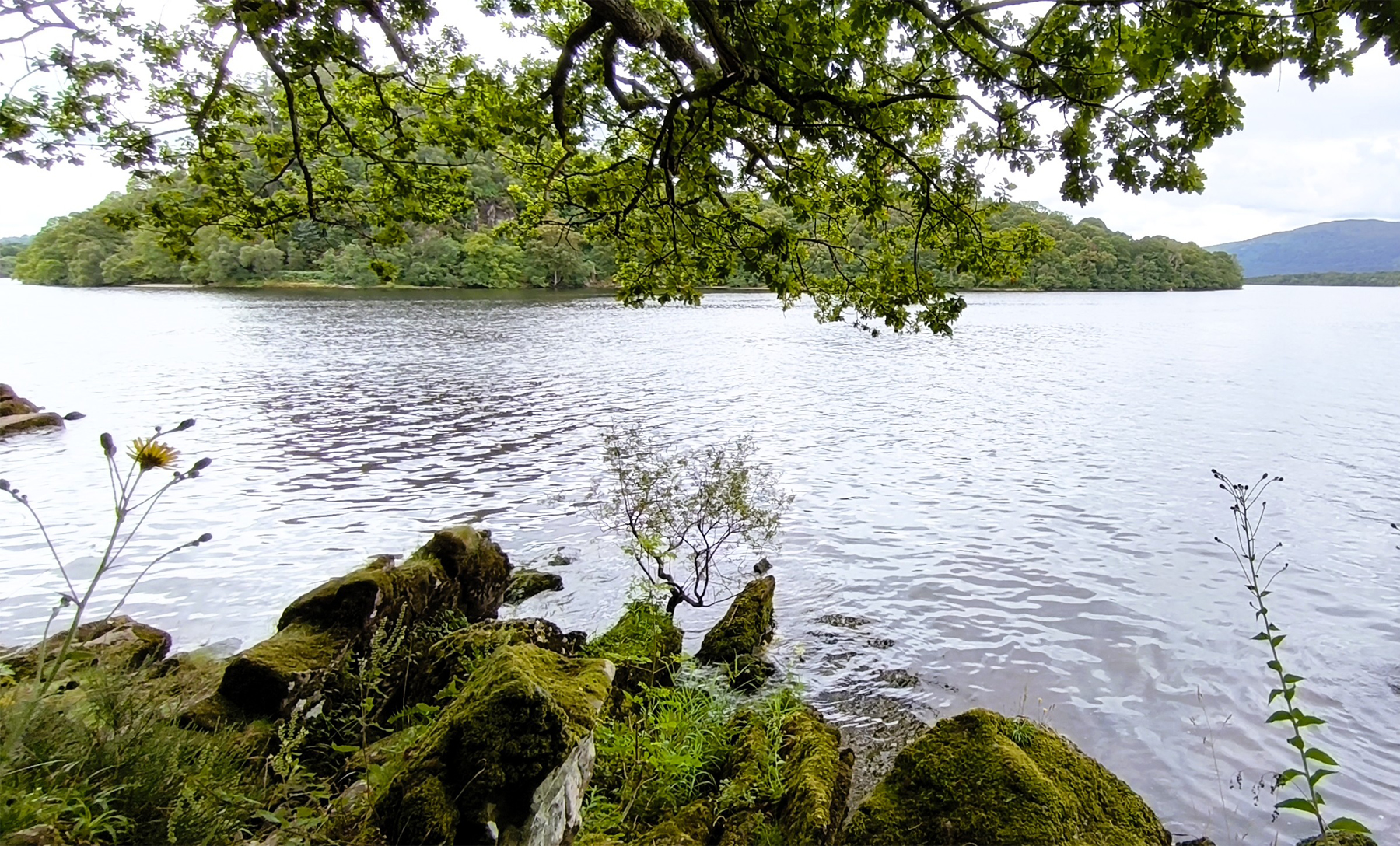 Inchailloch Island (Loch Lomond)
Balloch and Balloch Castle
At the southern tip of Loch Lomond lies the pretty village of Balloch, which has plenty to keep sitors entertained.
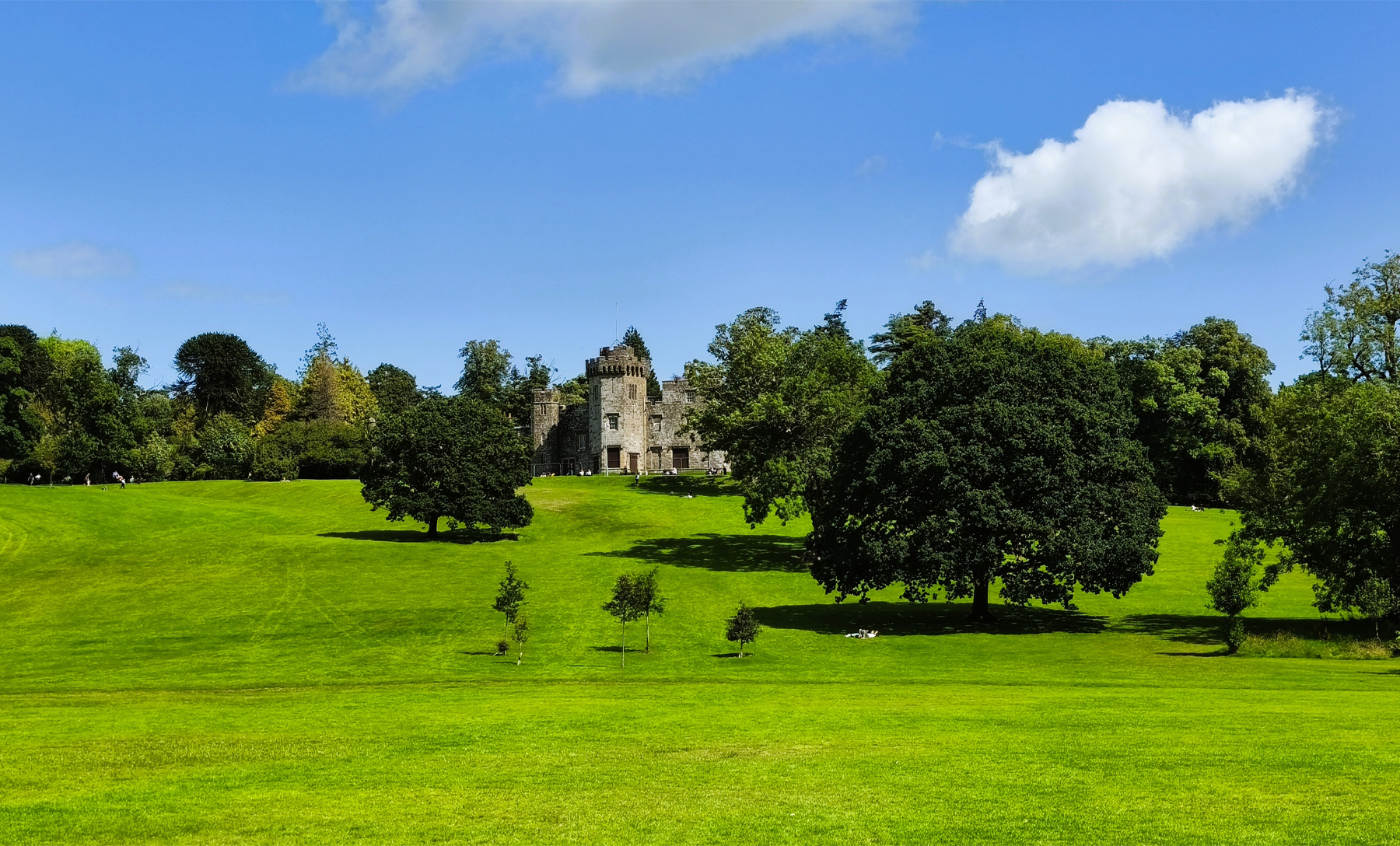 Balloch Castle
One of the highlights is Balloch Castle Country Park, one of the finest public spaces in the west of Scotland. The 200-acre park combines semi-natural and ornamental woodland, open parkland, formal gardens, meadows, play areas and a beautiful stretch of shoreline. And then, at the top of the hill, you find Balloch Castle itself, a striking Tudor Gothic building overlooking the park and Loch Lomond.
Unfortunately, the castle was closed to the public during our visit, presumably because of renovation work. Even so, the setting alone was worth the visit.
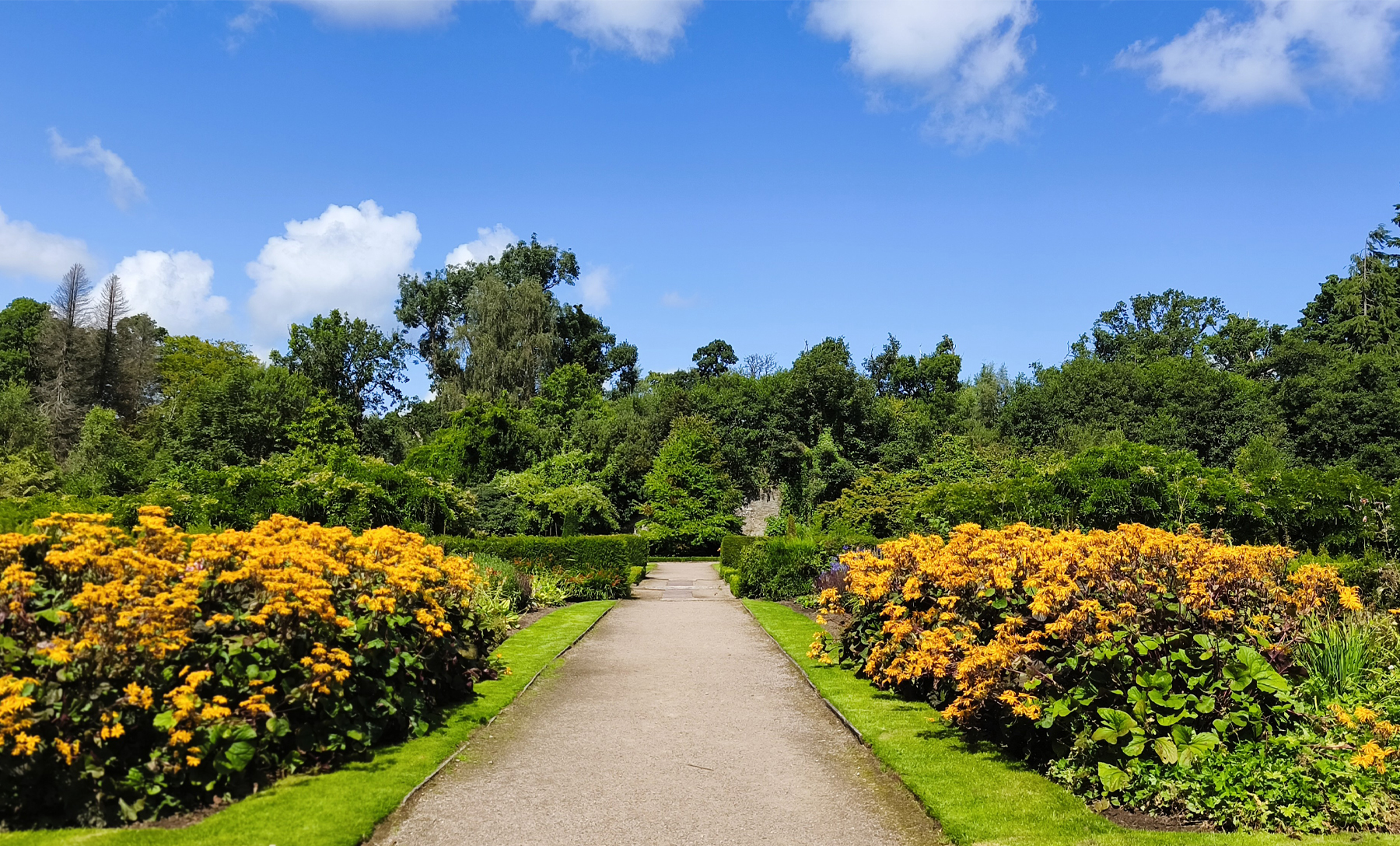 Balloch Castle Walled Garden
Mugdock Country Park
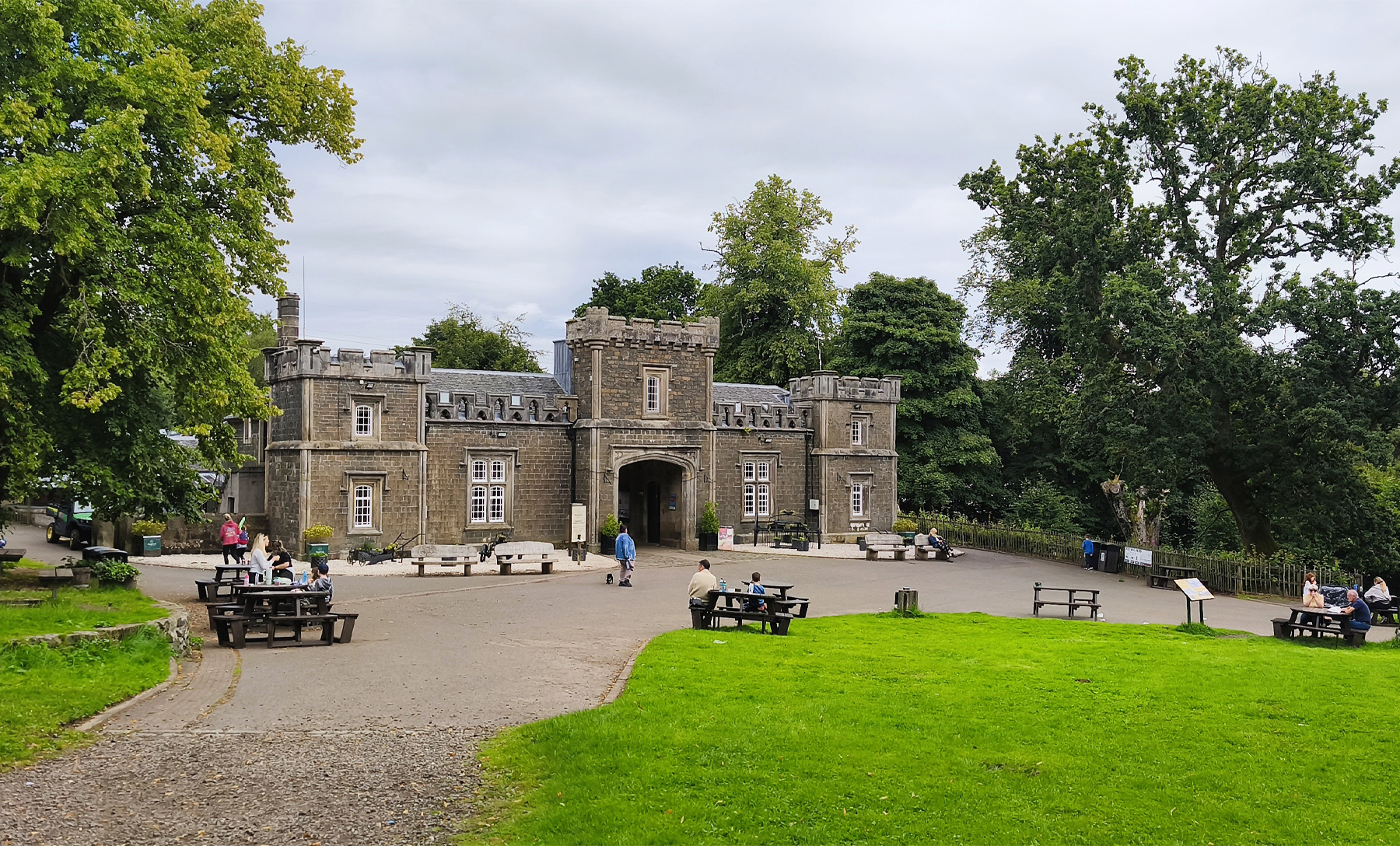
Just ten minutes north of Glasgow is Mugdock Country Park, a beautiful 500-acre mix of landscapes, lakes, woodland, walking trails, gardens and historic ruins. There are actually the remains of two grand castles here: Mugdock Castle and Craigend Castle.
Mugdock Castle, built by the Graham family, dates back to the 14th century. Eventually abandoned and reduced to ruins, it now makes a wonderfully atmospheric place to explore, and apparently can even be used for special events.
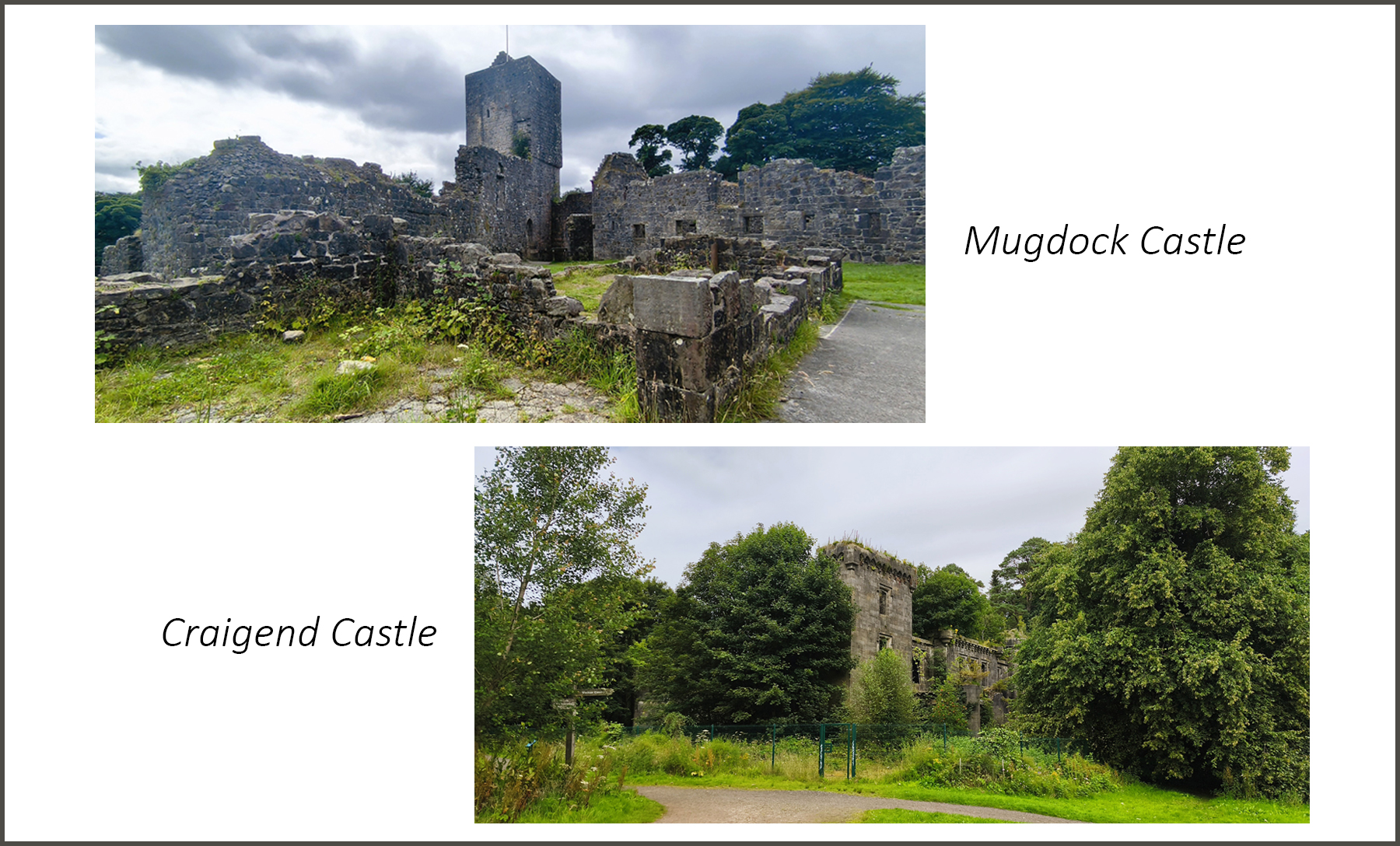
Craigend Castle tells a rather different story. Once a country house, its skeletal walls and fallen masonry have gradually been reclaimed by nature. Birds, fungi, bats and trees have all found a home here, turning the ruins into a fascinating little wildlife haven.
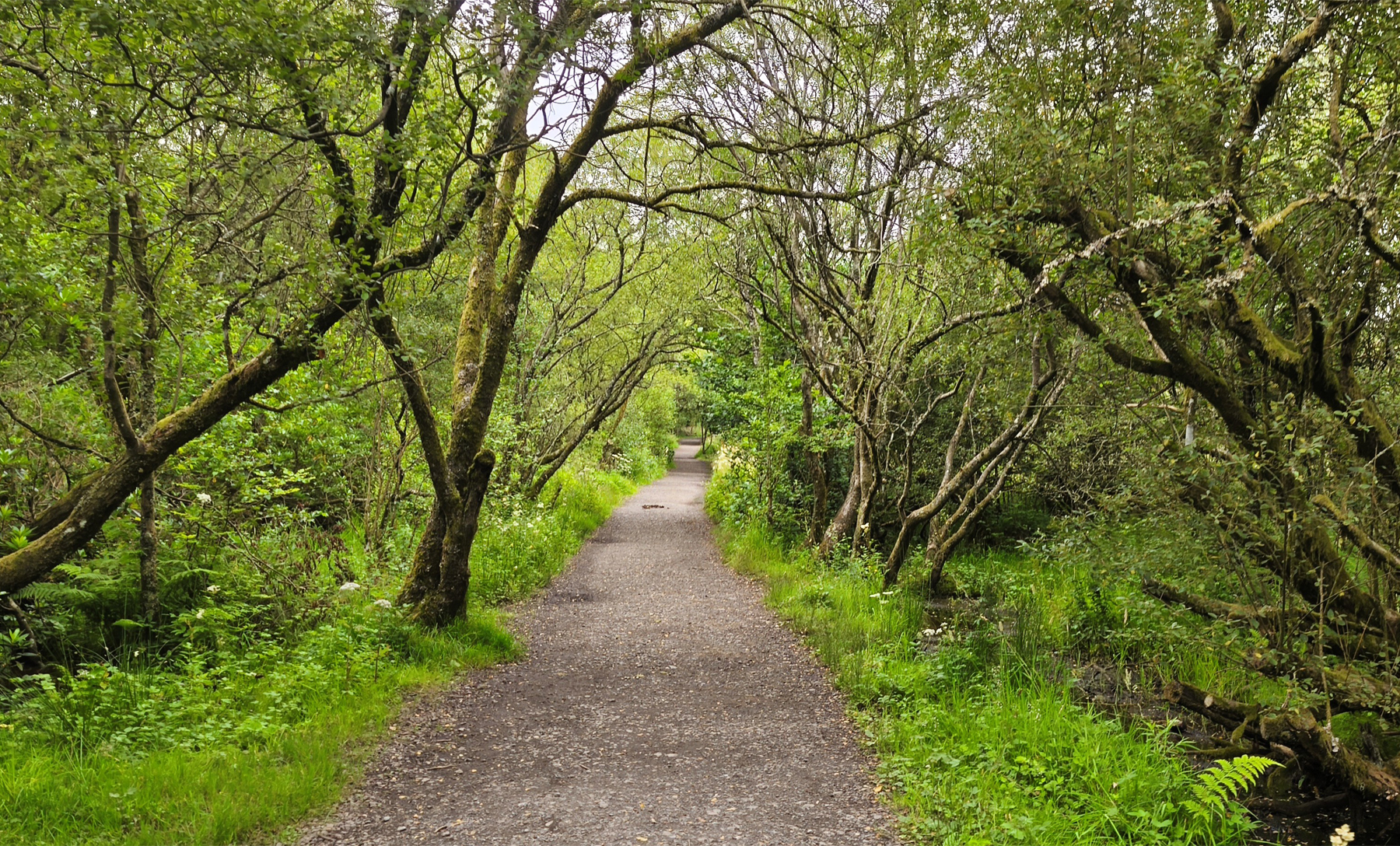 Mugdock Country Park Woods
A taste of Scotland
Of course, no trip to Scotland would feel complete without whisky. Luckily for us, Glengoyne Distillery, was practically on our doorstep.
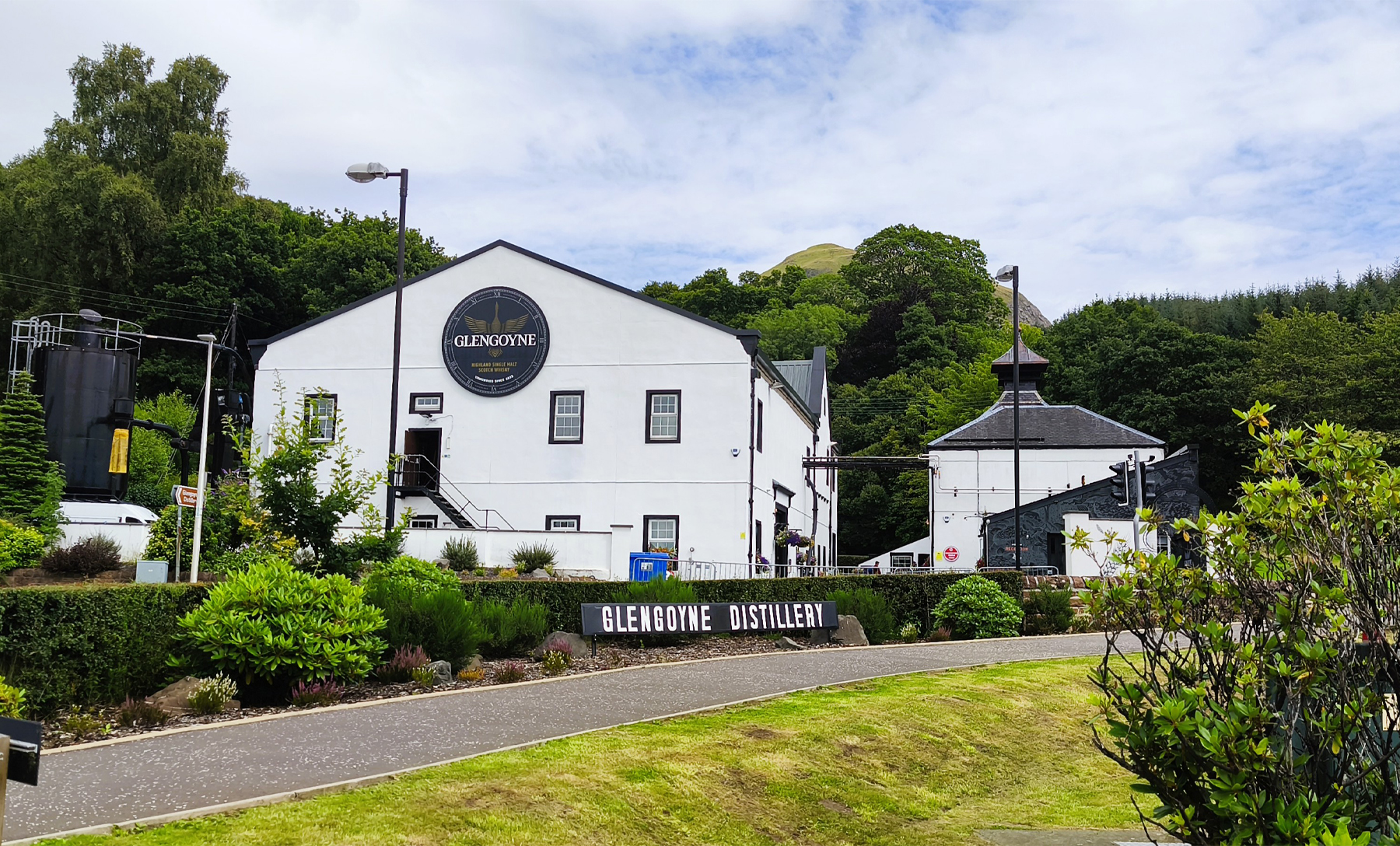 Glengoyne Distillery
Often described as Scotland’s most beautiful distillery, Glengoyne sits in a hidden glen beside a lovely waterfall. The setting alone makes it worth visiting, but the tour was fascinating too.
We learned about the process behind making single malt whisky, the history of the distillery and all the fine details that go into the craft.
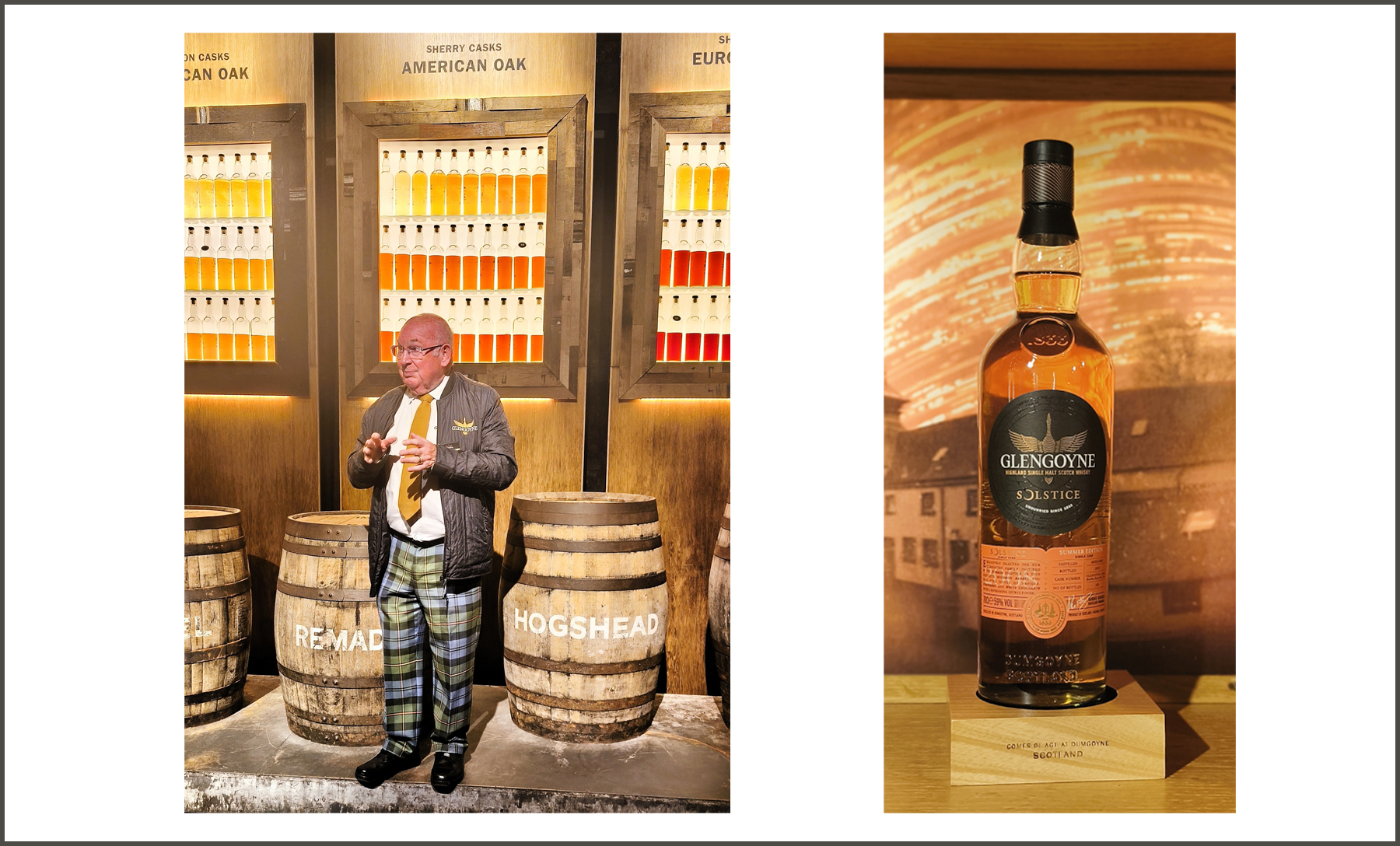
And, naturally, the tour ended with a tasting. When in Scotland…
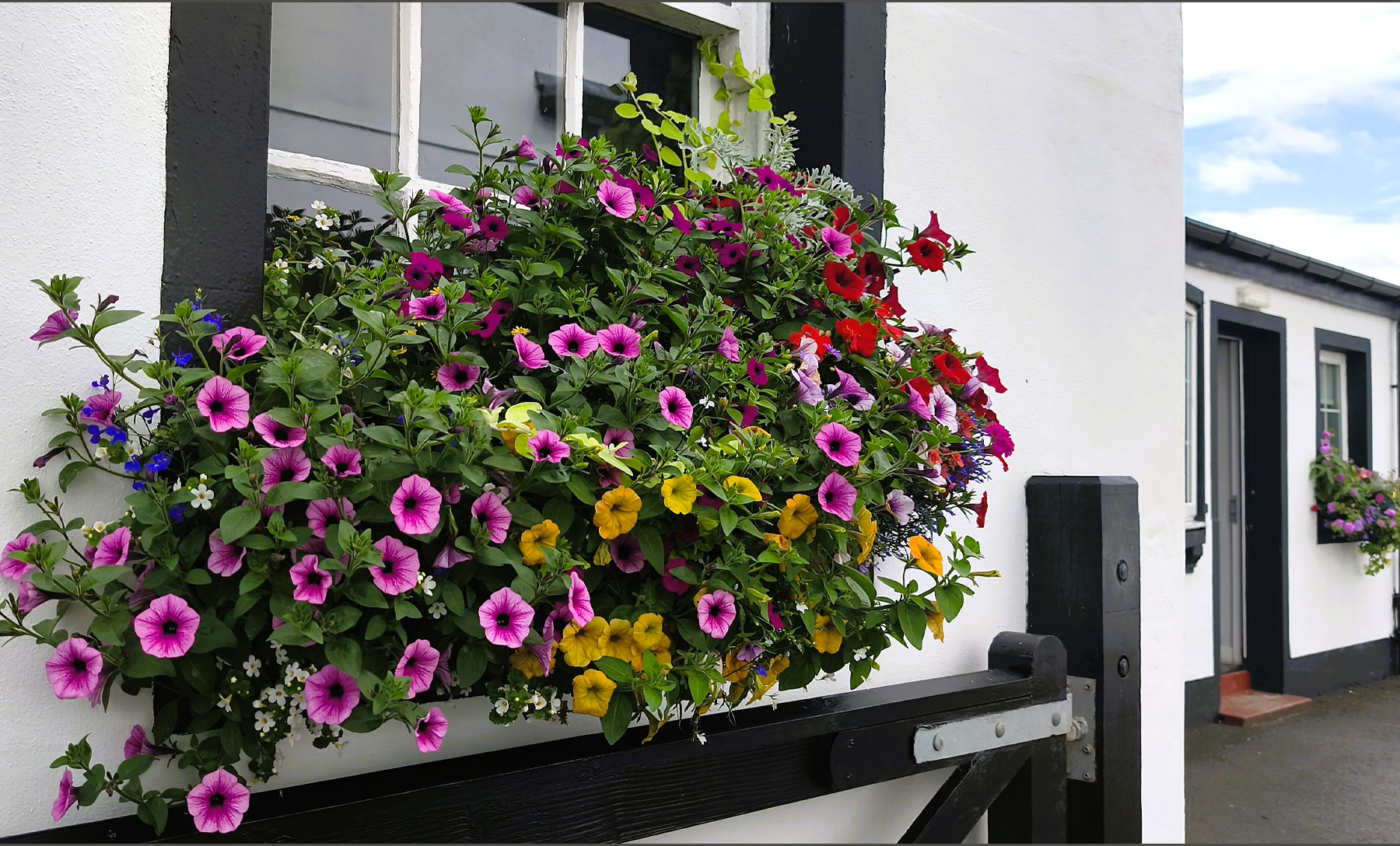
Glen Coe
One of the great joys of this trip was the driving itself. The A82 between Loch Lomond and Glen Coe has to be one of the most spectacular roads in Scotland. Around almost every bend there seemed to be another view that made us want to stop the car.
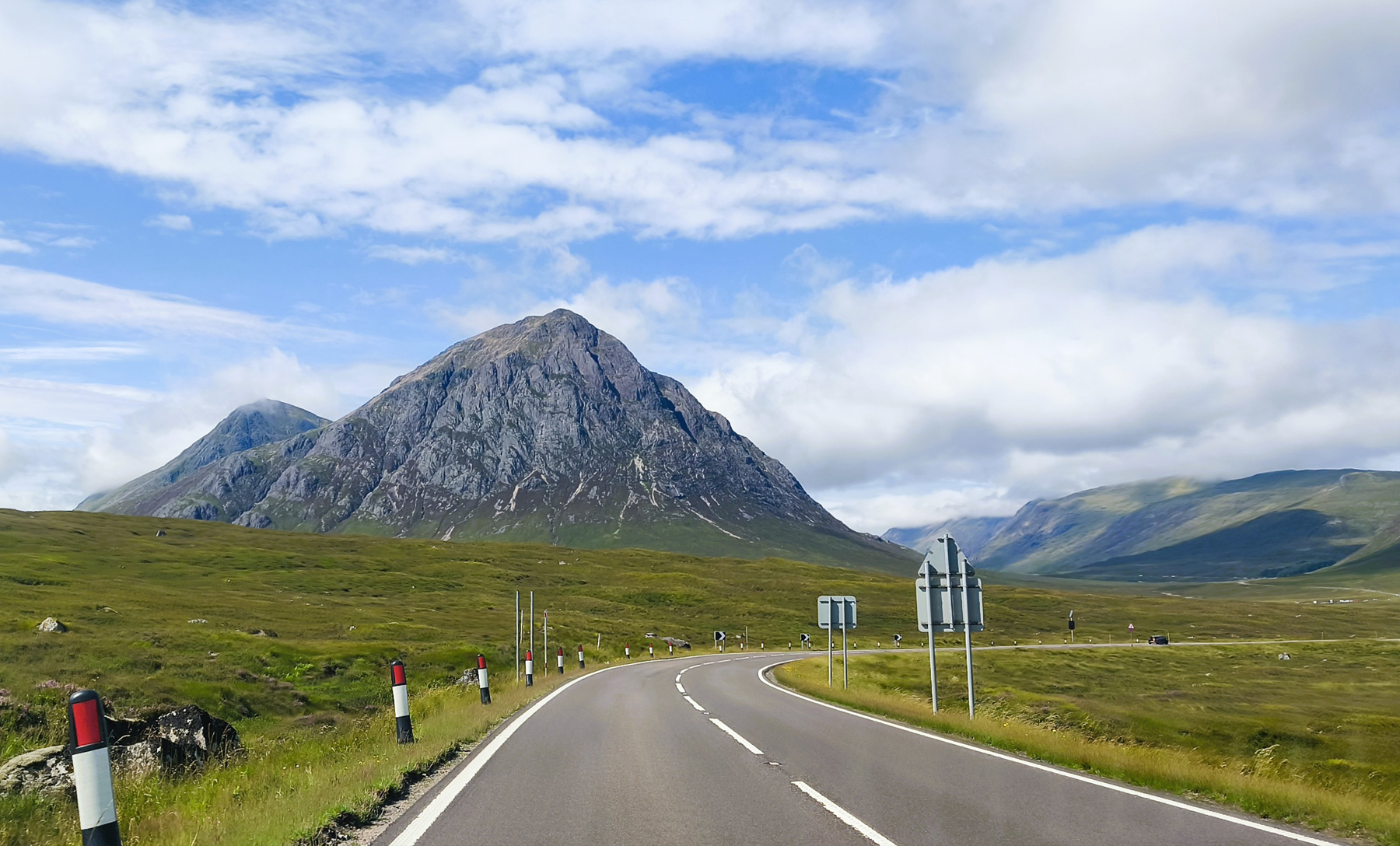
Glen Coe, within the Lochaber Geopark, is a deep valley surrounded by towering mountains, shaped over thousands of years by glaciers and volcanic activity.
It is, without a doubt, one of the most dramatic landscapes the Highlands have to offer.
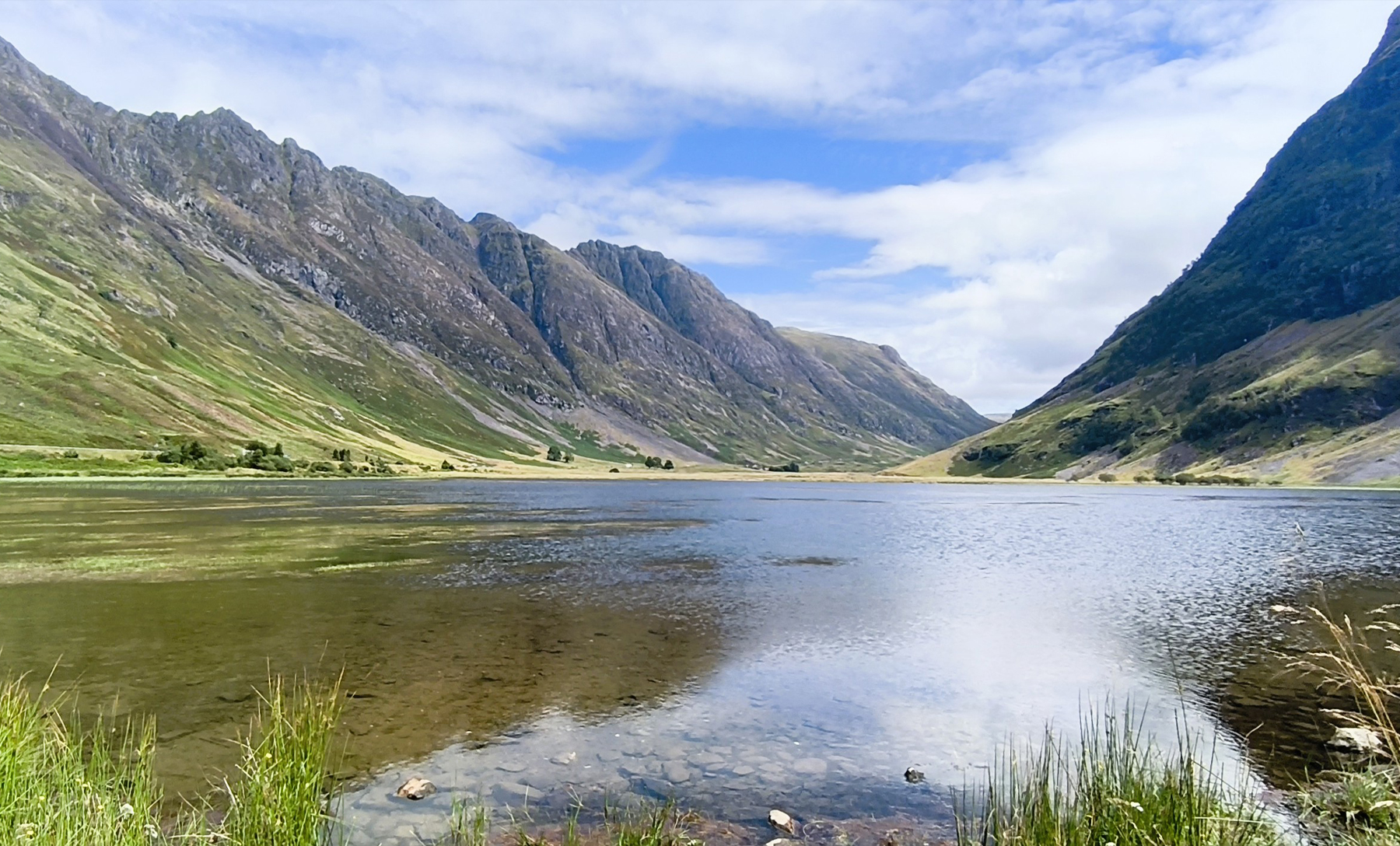
We loved it so much that we drove the route both ways, travelling to Inverness and then back again. And I would happily do it all over again.
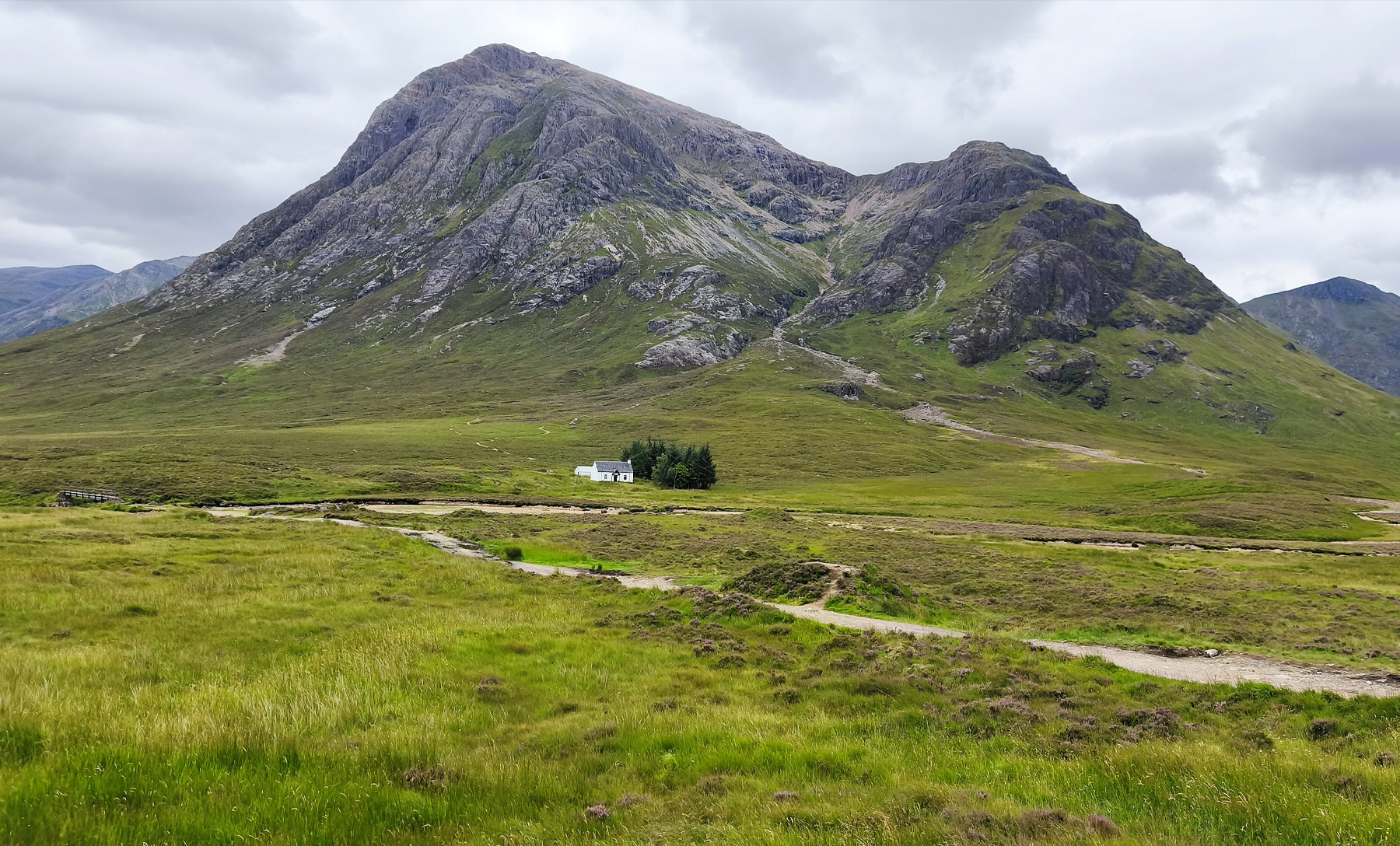
From Glen Coe to Fort Augustus
The drive from Glen Coe towards Fort Augustus was just as impressive.
Following the A82, we passed Loch Leven, Loch Linnhe and Fort William before continuing alongside Loch Lochy and Loch Oich, eventually reaching the Caledonian Canal and Fort Augustus.
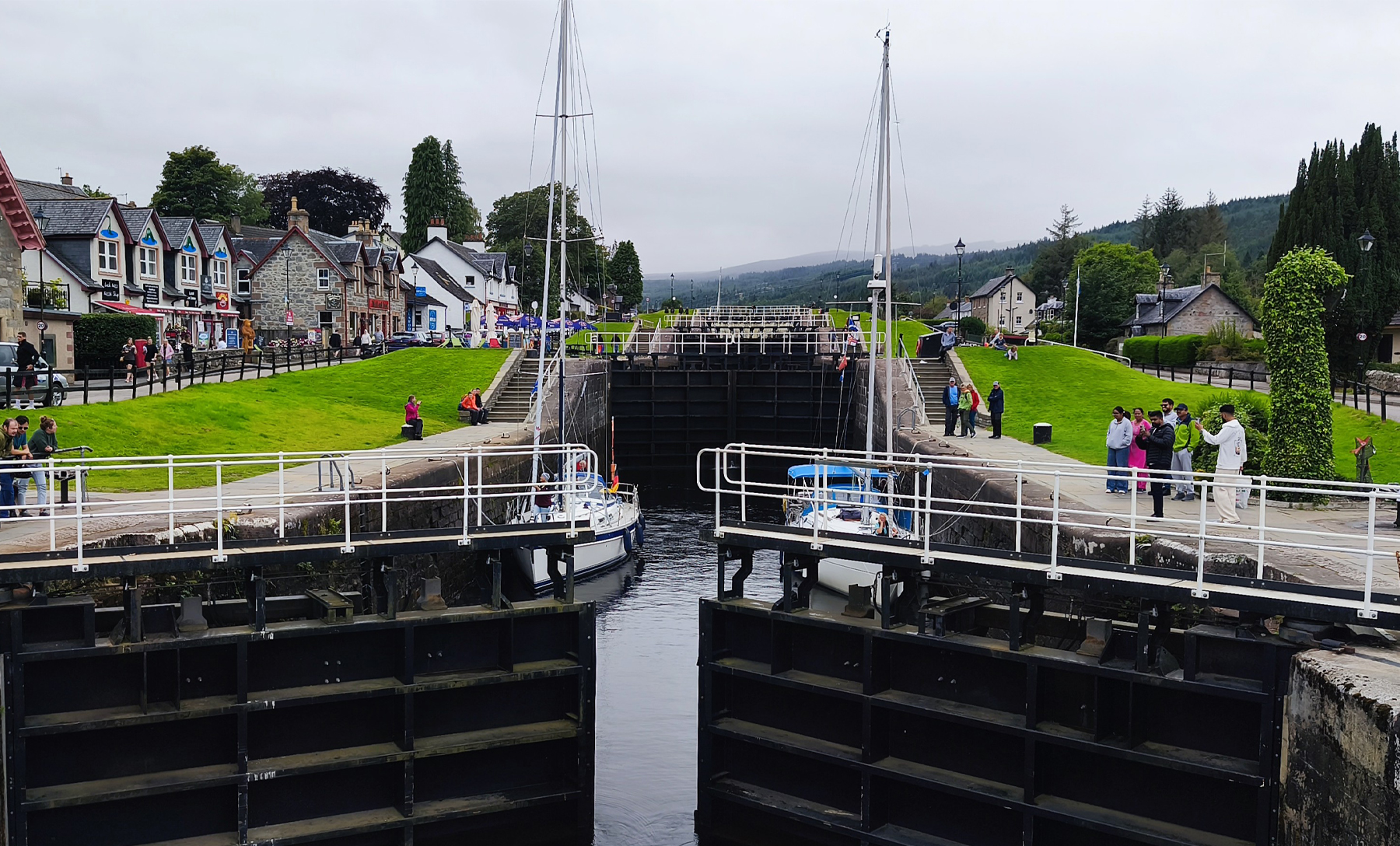 Fort Augustus Locks
Fort Augustus is a picturesque village where the Caledonian Canal meets Loch Ness. One of the nicest things to do here is simply sit and watch the boats navigate their way through the locks. It’s strangely hypnotic!
Inverness and the Highlands
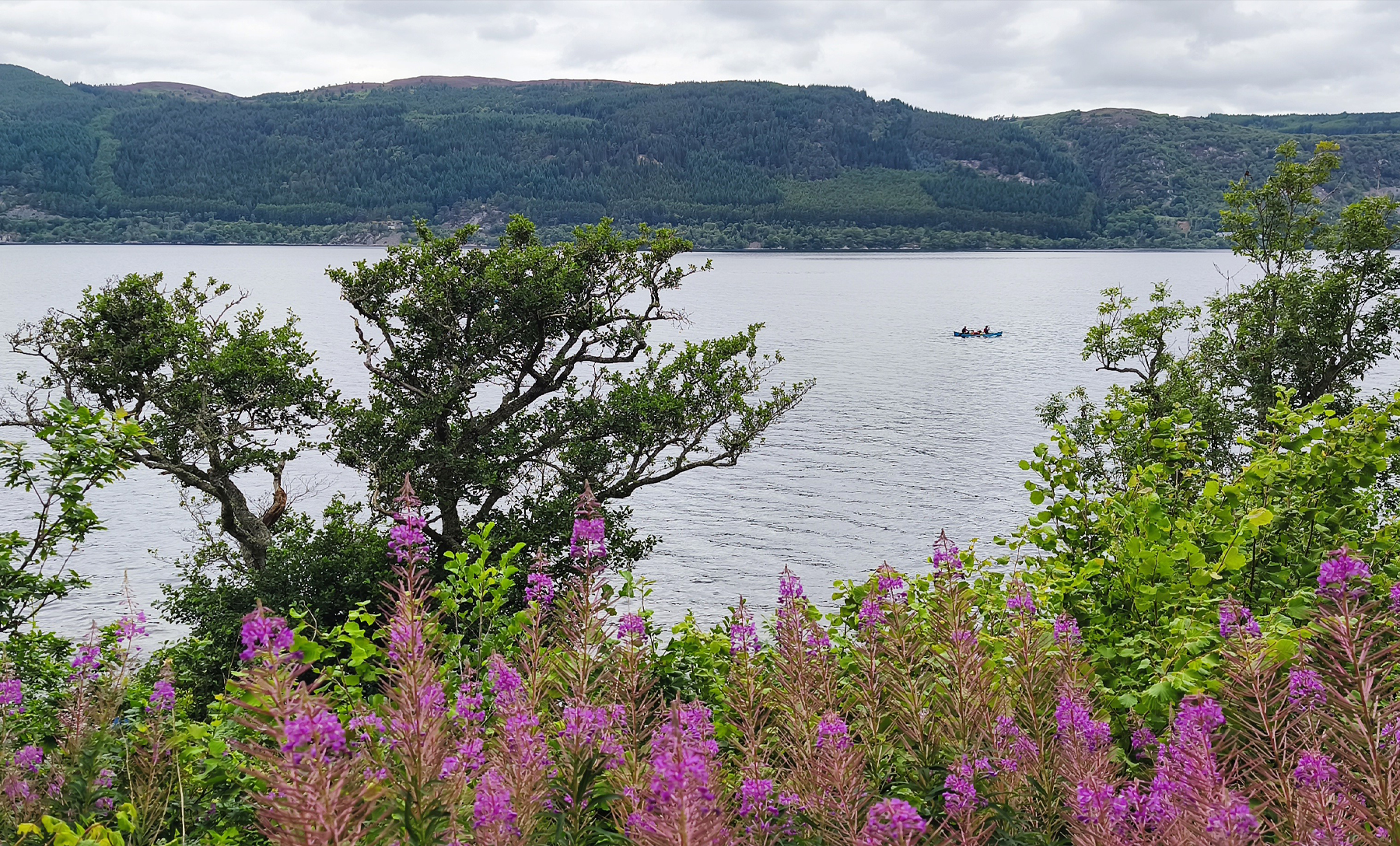 Eastside of Loch Ness
For us, Inverness was more of a reference point and a convenient base than a destination in itself. We stayed at the idyllic Cantray Cottage in Brae of Cantray, just 20 minutes from Inverness, and although we didn’t have much time in the area, we somehow managed to pack quite a lot into those few days.
Nairn Beach
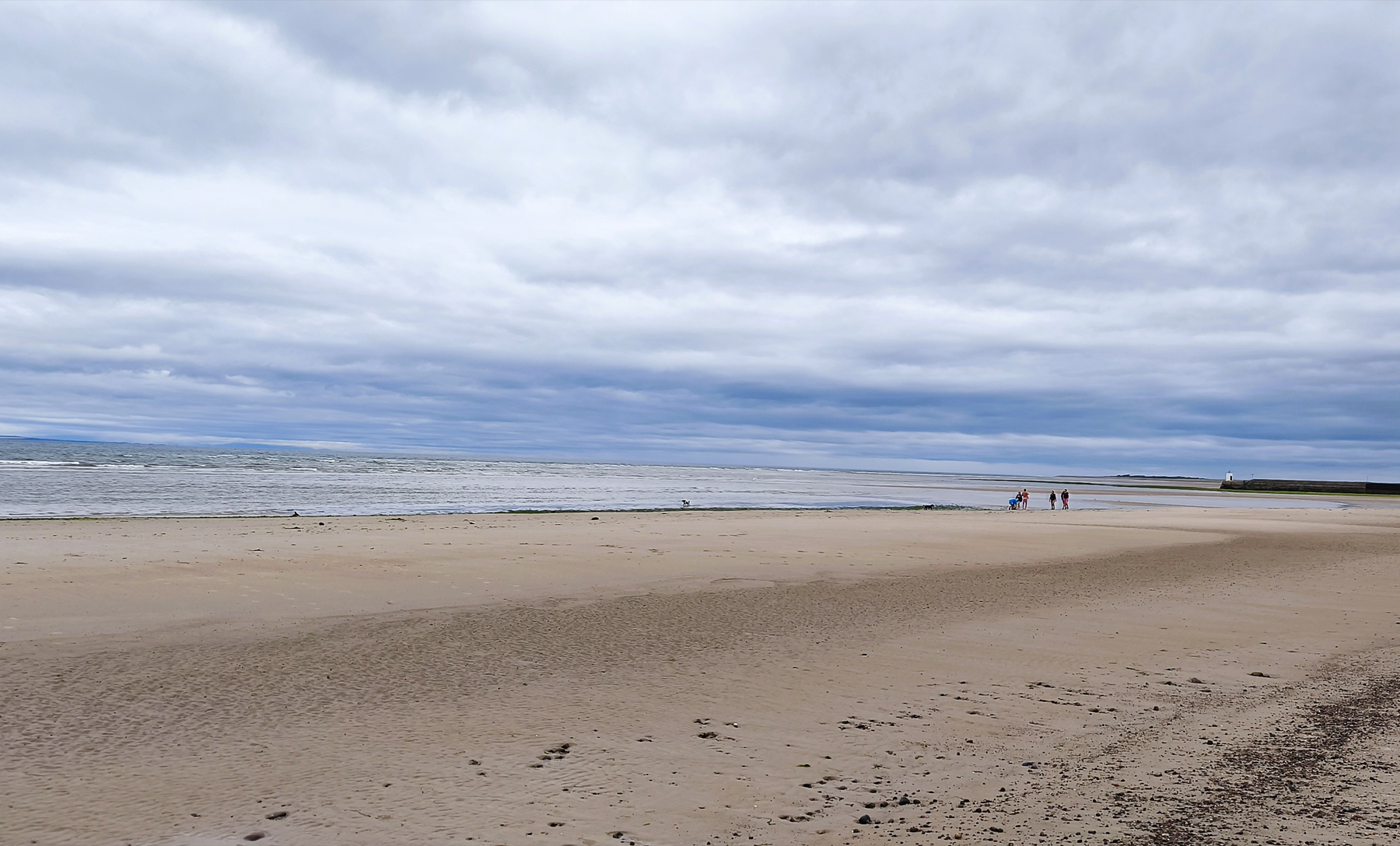
We started one morning with a walk along Nairn Beach, enjoying the northern sea breeze. The beach is a lovely, expansive stretch of sand overlooking the Moray Firth, and it was wonderful to get out early and breathe in that crisp coastal air.
Culloden
Then came a visit that felt very different. We stood on the very ground where, on 16 April 1746, the Jacobite army of Bonnie Prince Charlie met the government forces of the Duke of Cumberland.
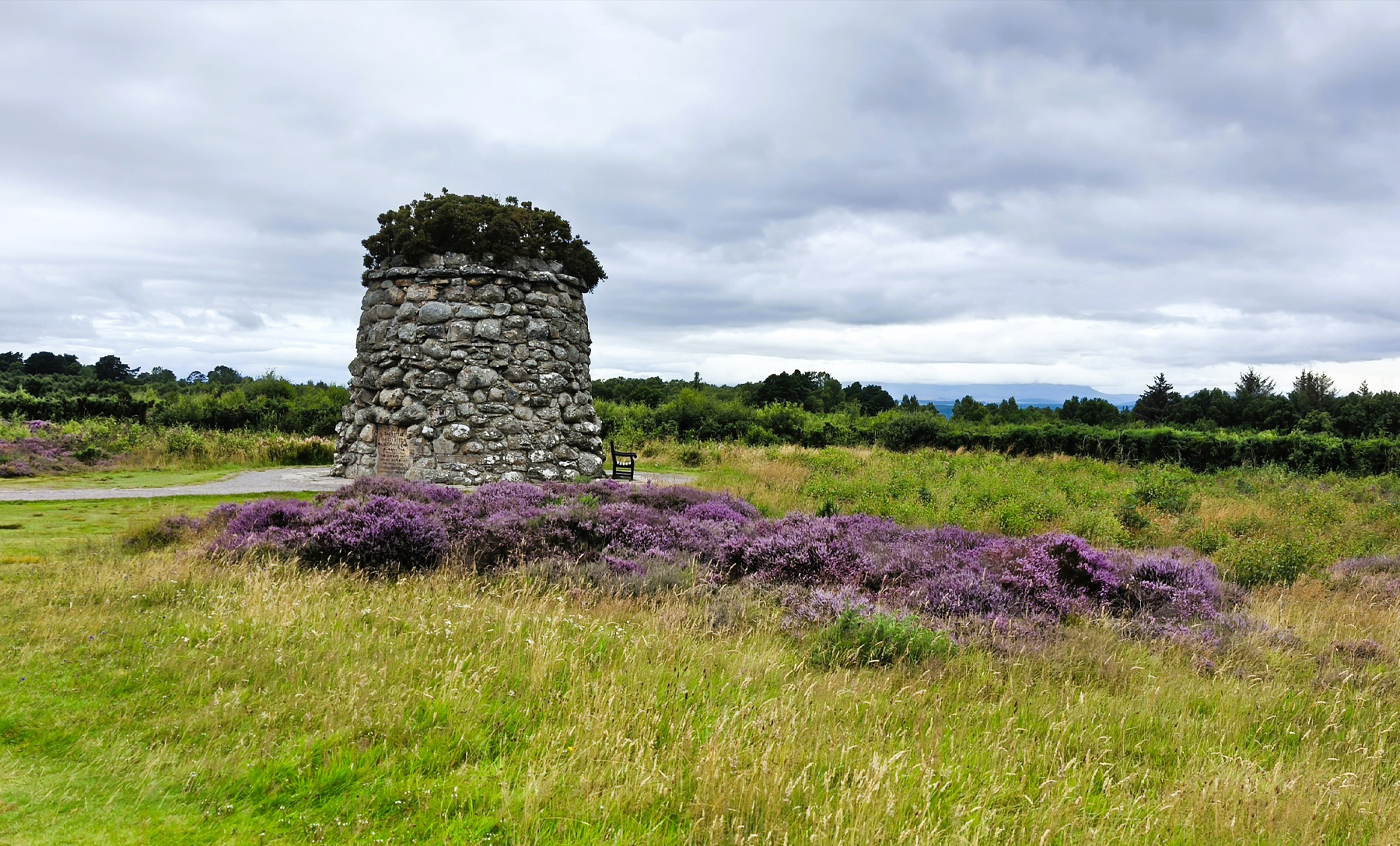 Battlefield site
The Battle of Culloden changed Scottish history forever, and standing there made the events of nearly three centuries ago feel surprisingly close.
Dores and Loch Ness
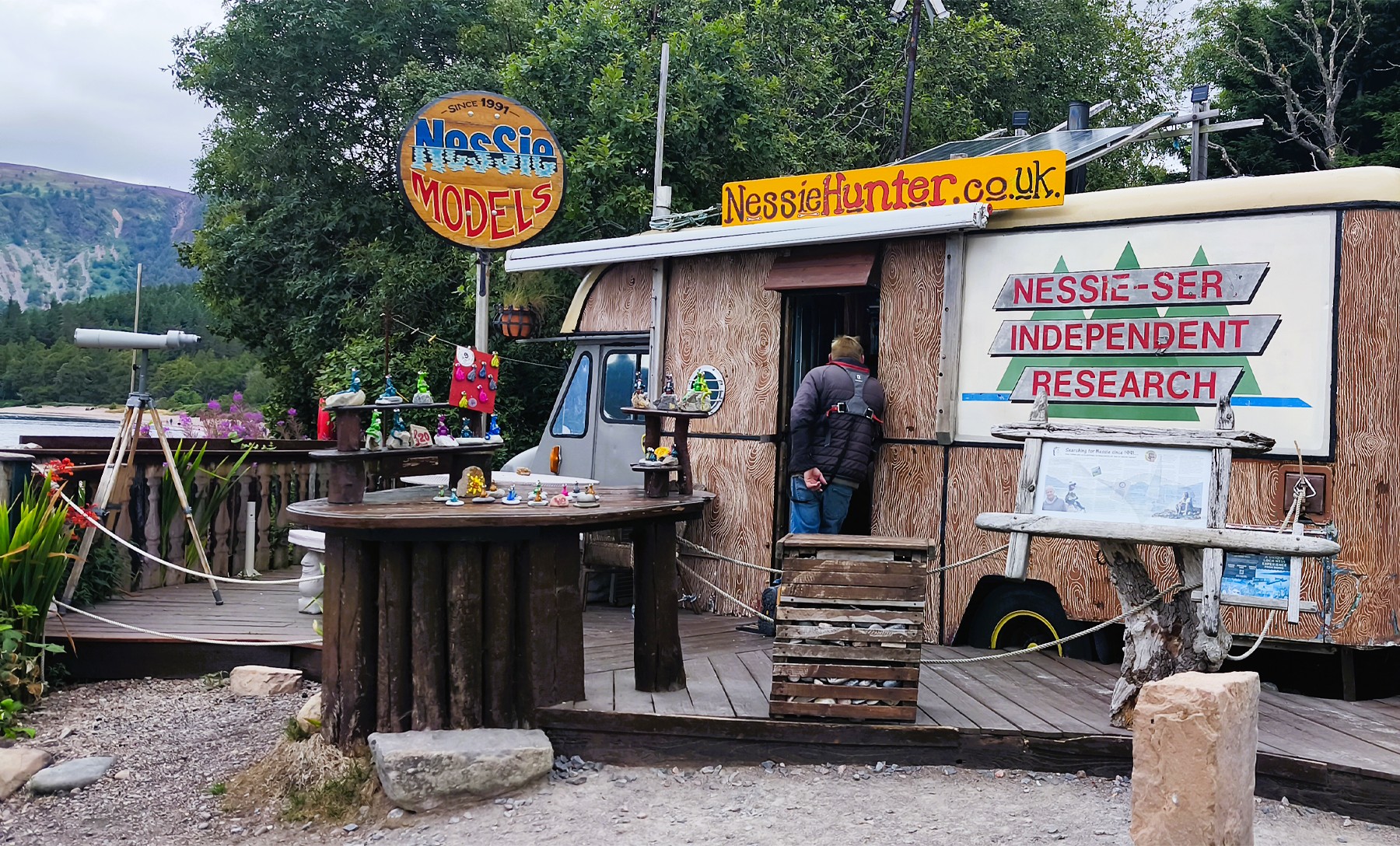 Nessie Hunter
Dores, whose name apparently means “dark woods” in Gaelic, is a tiny village sitting on the shores of Loch Ness. Its long pebble beach stretches away from the village pub, offering spectacular views down Loch Ness and along the Great Glen.
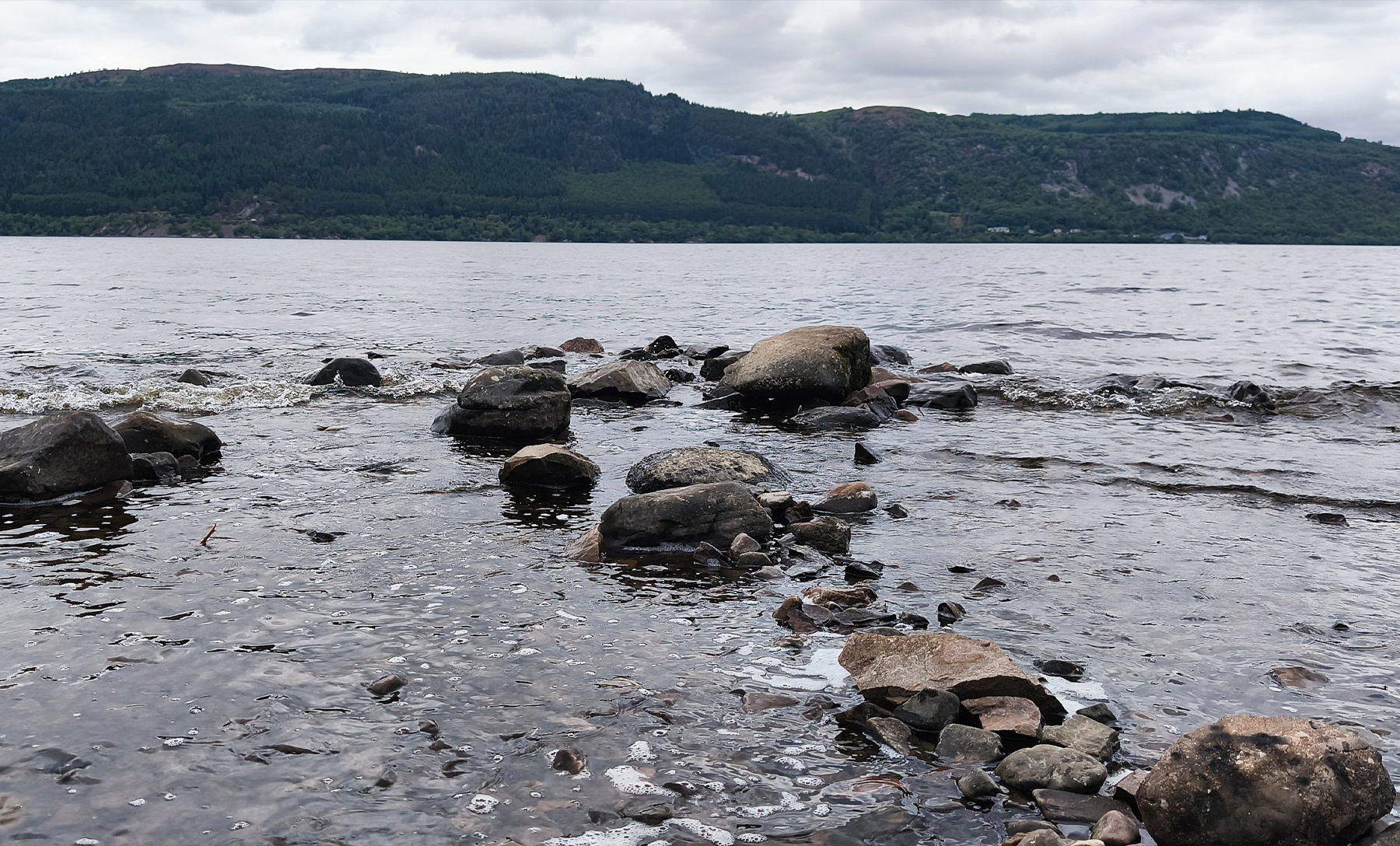
And, of course, we couldn’t resist keeping an eye on the water. Perhaps we’d catch a glimpse of Nessie? Sadly, she remained elusive. Maybe next time!
Falls of Foyers
Following the narrow road down from Dores, we reached the popular natural beauty spot of the Falls of Foyers.
The waterfall plunges 42 metres into a gorge surrounded by tall woodland before eventually making its way towards Loch Ness.
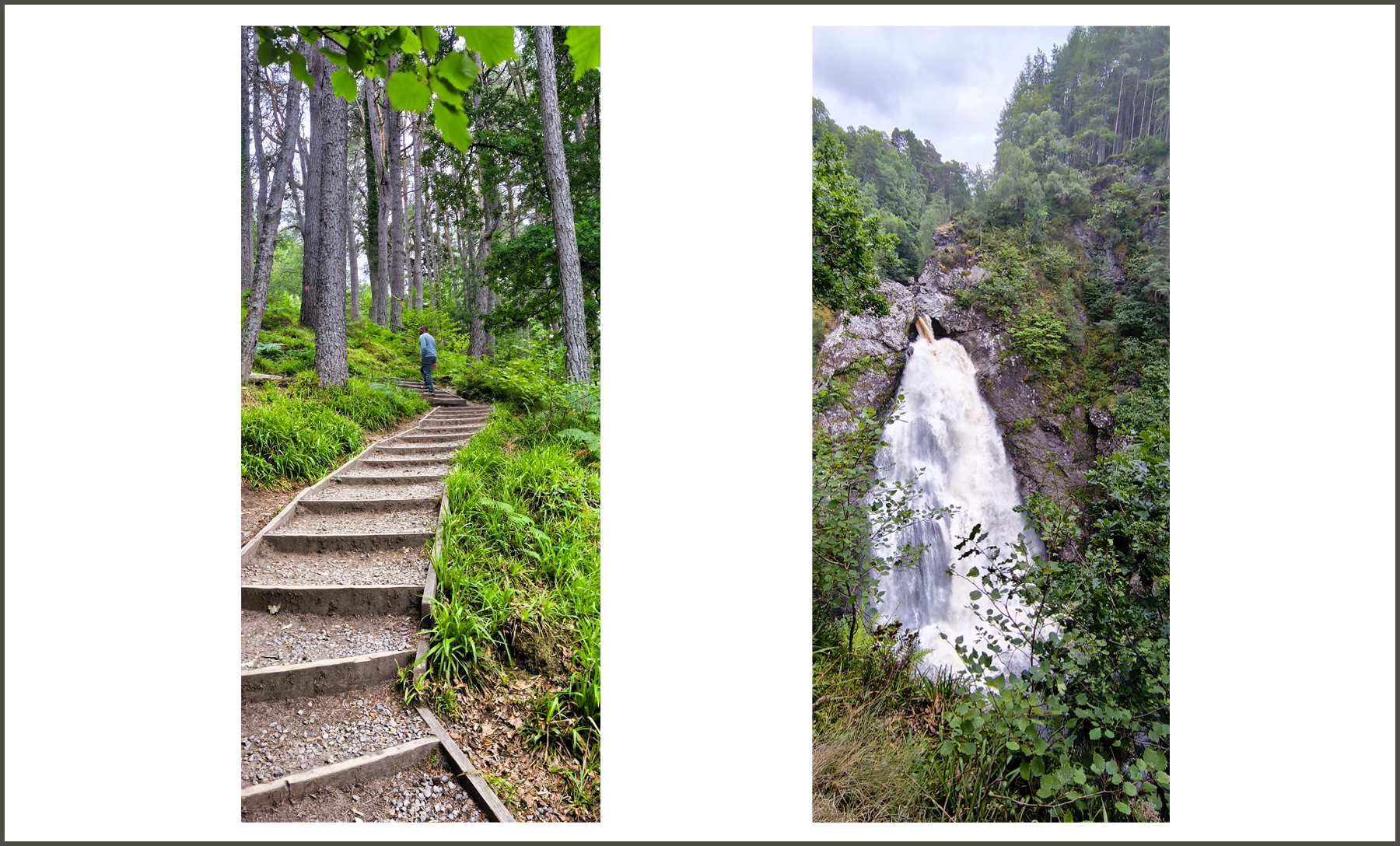
The path winds through beautiful woodland and down a series of steep steps to two viewpoints. Apparently, it’s also a good place to spot red squirrels. Unfortunately, they weren’t showing themselves for us. Still, the waterfall and surrounding woodland were spectacular enough.
Urquhart Castle
No visit to Loch Ness would be complete without seeing Urquhart Castle.
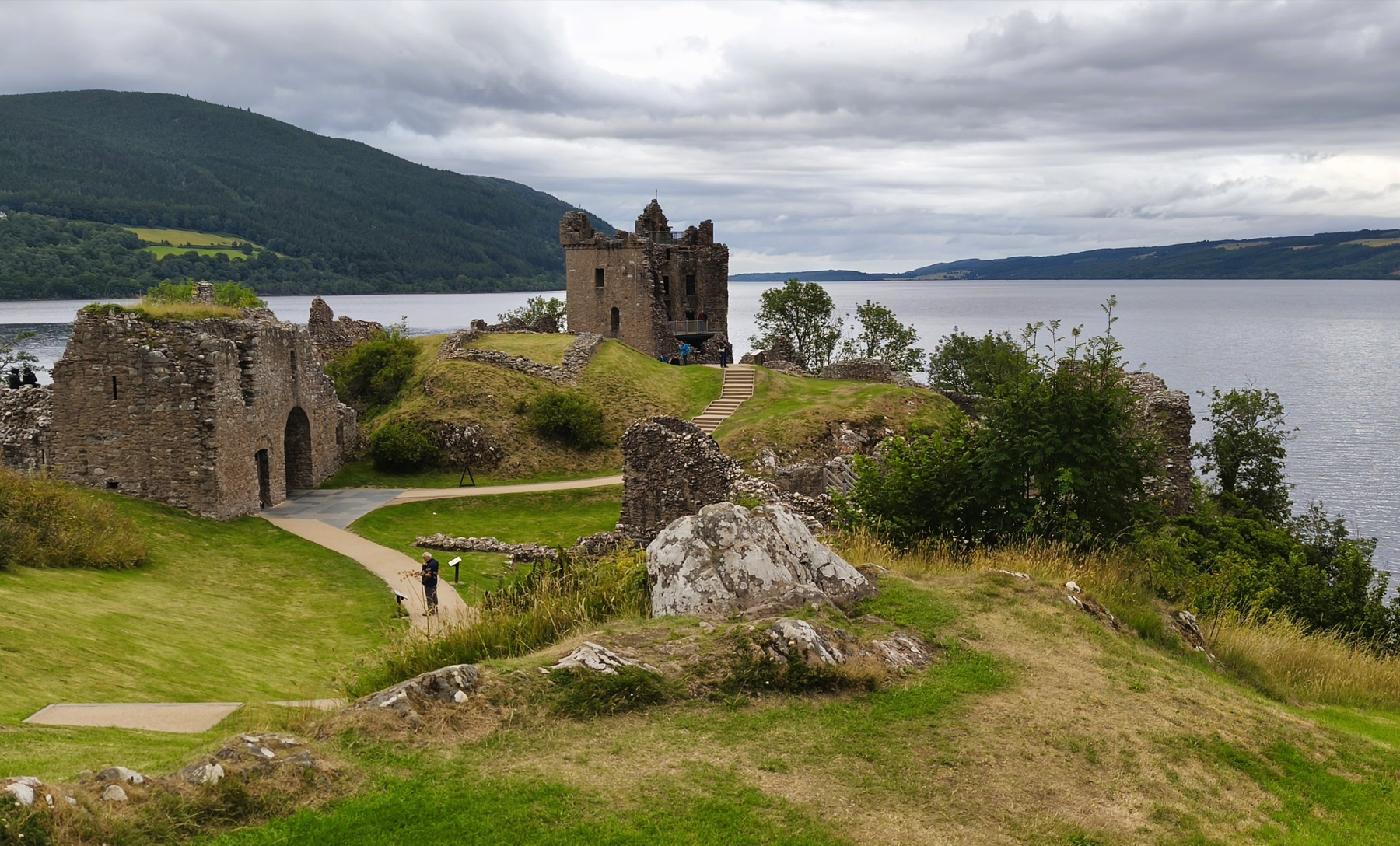
The atmospheric ruins sit dramatically above the loch, offering panoramic views over the water and a glimpse into almost 1,000 years of Scottish history. It’s difficult to imagine a more dramatic setting for a medieval castle.
The ruins are iconic, and unlike anything else we saw on the trip.
Highland Coos, sheep and the Scottish countryside
And then, just when we thought we’d seen most of what Scotland had to offer, we encountered one of my favourite surprises: Highland cows!
We stumbled across them completely by chance as we were leaving the Highlands, and I was ridiculously happy about it.
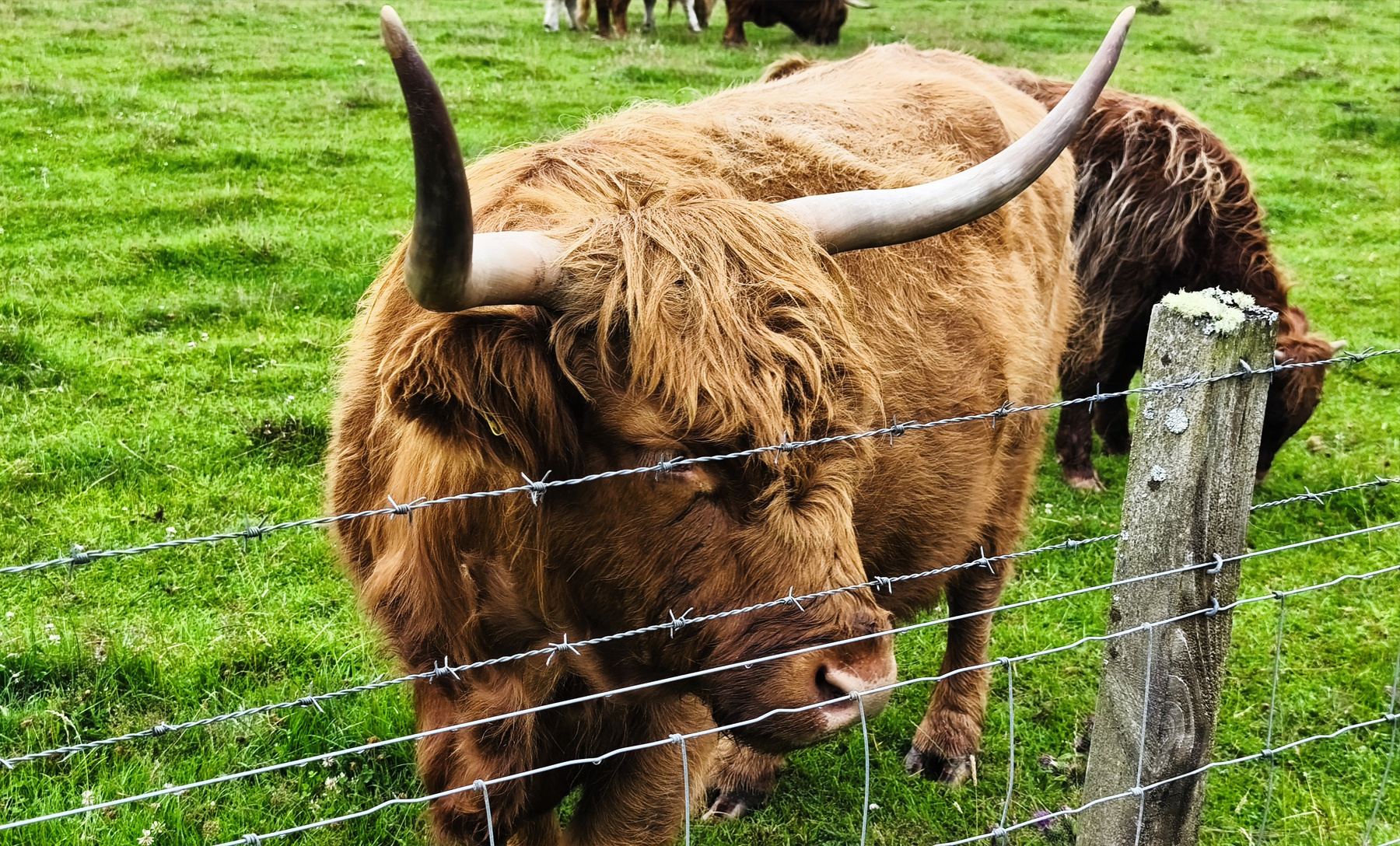
Highland Coos, with their long shaggy coats and enormous horns, are such an unmistakable part of the Scottish landscape. They’re also an ancient and remarkably hardy breed, perfectly adapted to the harsh Highland climate.
And, let’s be honest, they’re absolutely adorable.
We couldn’t leave Scotland without stopping to admire them.
And then there are the sheep.
You really don’t have to look far to find them in Scotland. In fact, there are more sheep than people in the country.
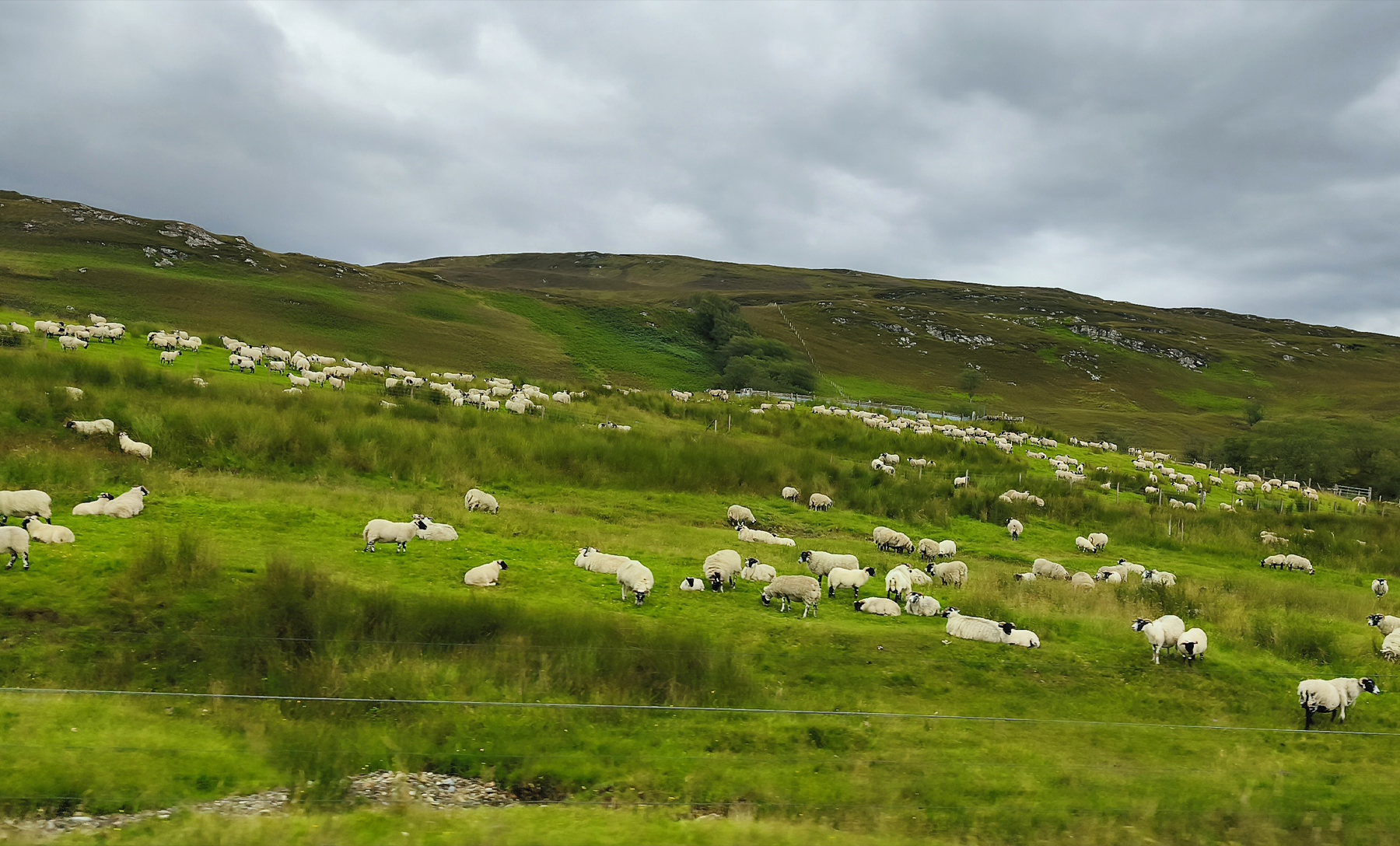
The rugged hills, cool climate and strong farming traditions make Scotland ideal for sheep grazing, even though much of the landscape isn’t particularly suited to traditional crop farming.
Sheep have also played an important role in Scottish identity for centuries, with their wool contributing to the country’s textile traditions and the production of tartan.
So yes, we saw plenty of sheep too.
The very long journey to Gare Loch
Our journey back towards Gare Loch didn’t quite go according to plan. A couple of accidents caused unexpected delays and setbacks, turning what should have been a five or six hour journey into a 12 hour drive. Twelve hours. Mostly sitting in the car. By the time we finally arrived at our accommodation, An Calladh on the Rosneath Peninsula, we were more than ready to get out of the car.
But then we saw the view. And suddenly, the journey didn’t seem quite so bad.
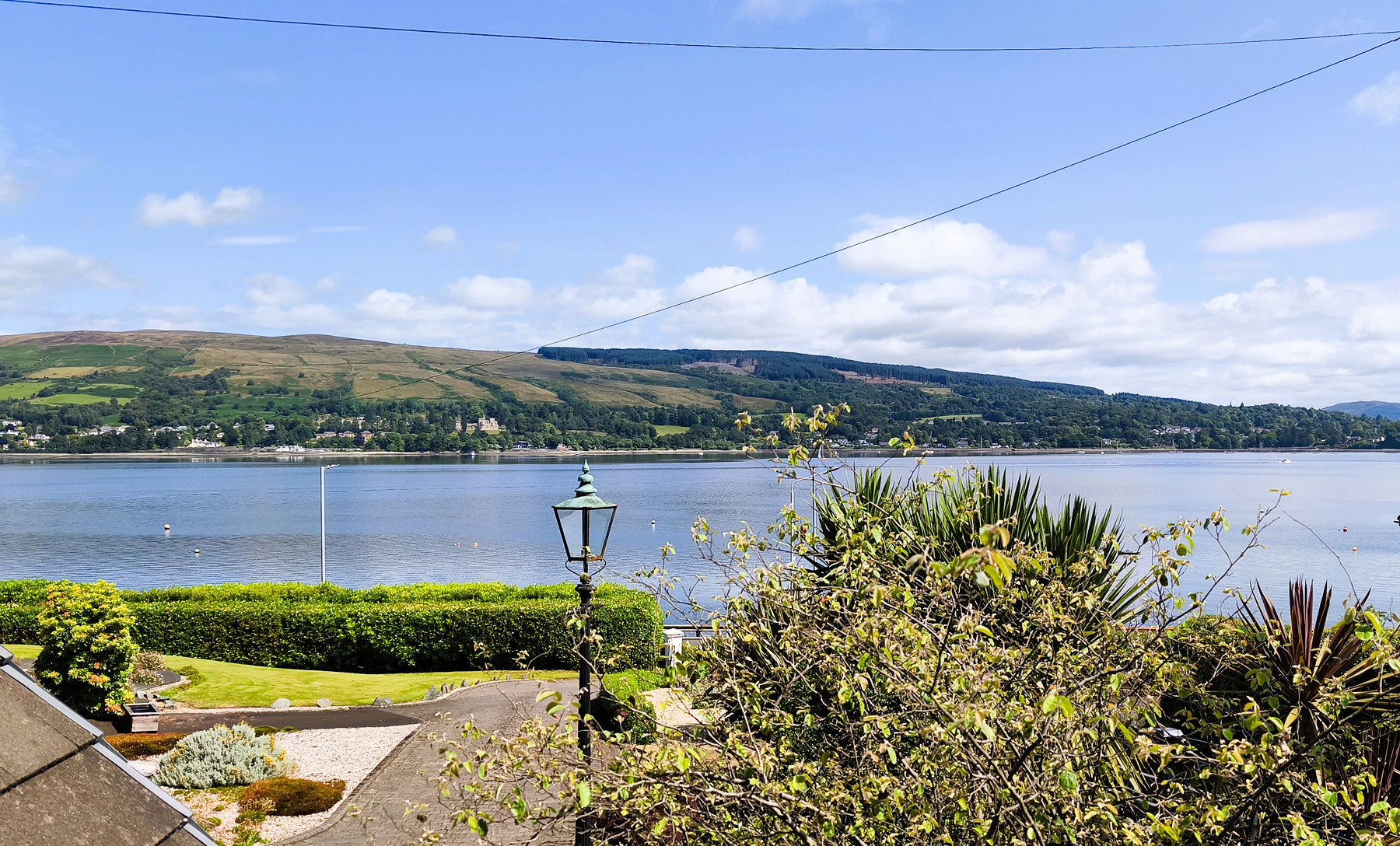 The view from our accommodation
Our accommodation had the most beautiful view over Gare Loch, and we knew immediately that this was exactly where we needed to be for the final few days of our trip. Time to rest, breathe and enjoy Scotland before heading back to England.
Gare Loch and the Rosneath Peninsula
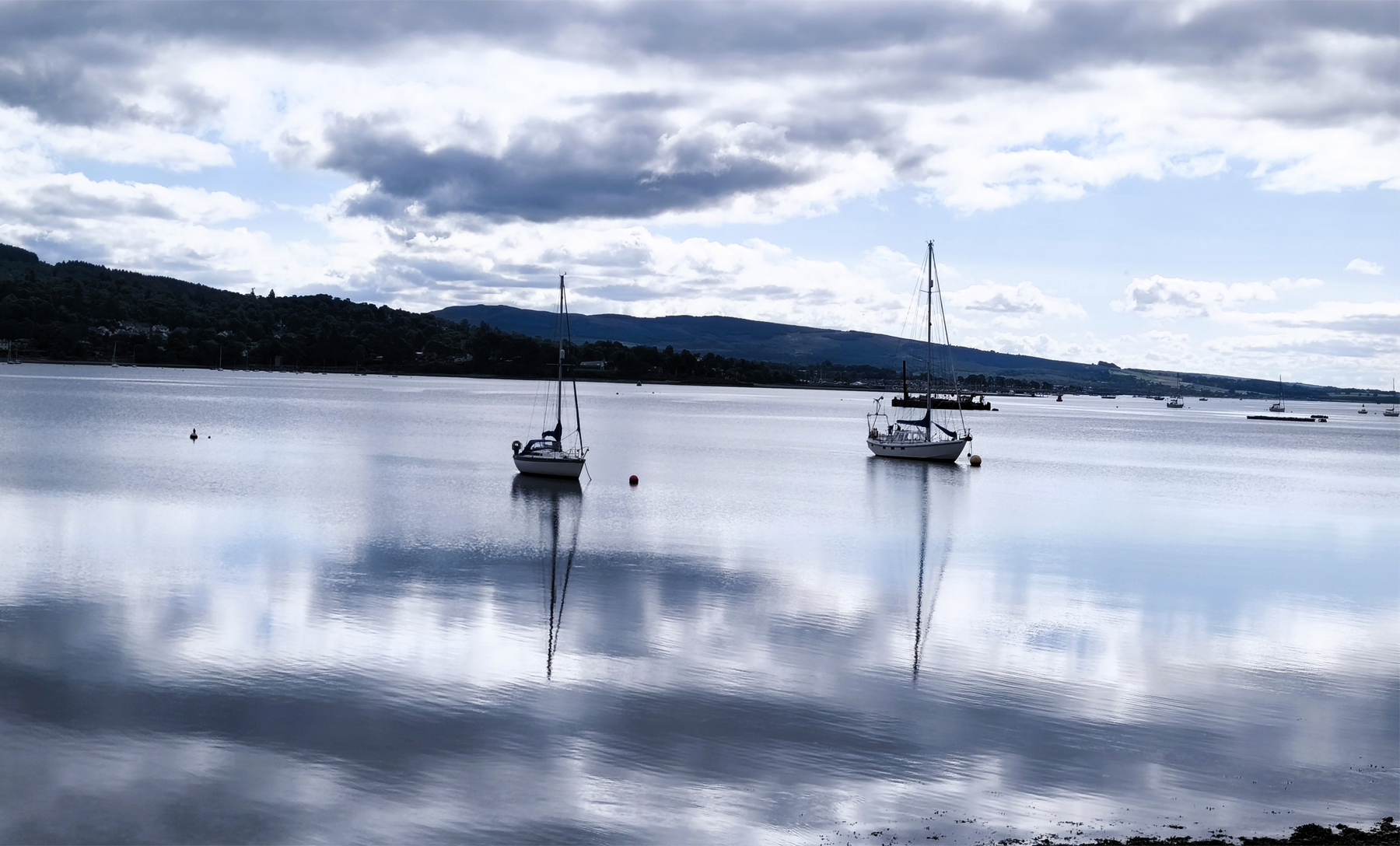 Gare Loch
, meaning “short loch” in Gaelic, is an open sea loch in Argyll and Bute, on Scotland’s western coast.
Around 9 kilometres long and just over 2 kilometres wide, it seems to be popular with recreational boats, water sports and fishing. We’d also read that seals, porpoises and even bottlenose whales can sometimes be spotted here.
Sadly, none of them appeared for us.
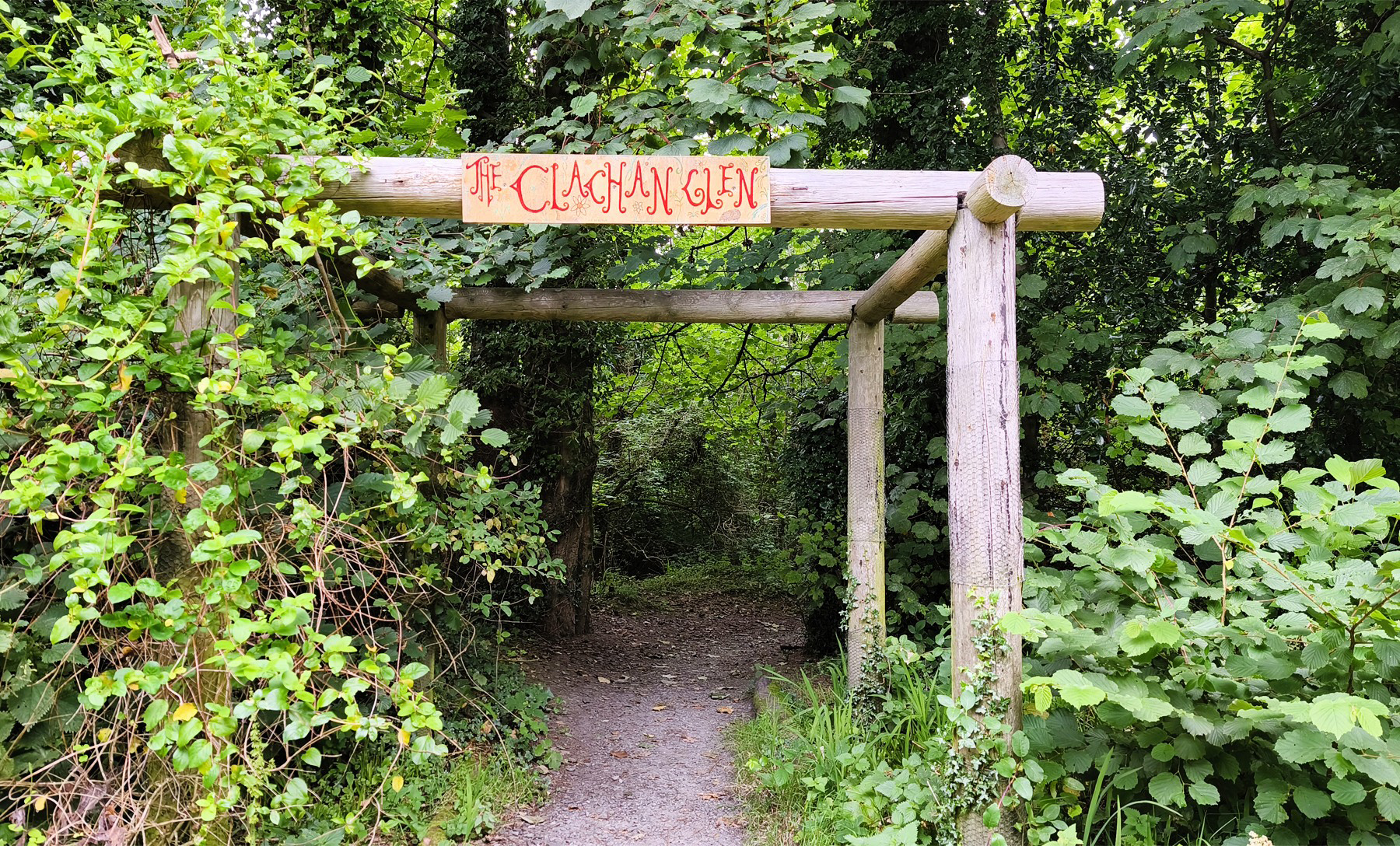 The Clachan Glen in Rosneath
The Rosneath Peninsula itself is a wonderful place to escape the hustle and bustle of everyday life. We spent time walking along the pebbly beaches, looking for seashells and sea glass, and simply enjoying the views.
For anyone who enjoys a scenic drive, the A814 provides a lovely coastal route towards Rhu and Helensburgh. For an even more picturesque drive, the B833 winds through Rosneath towards Kilcreggan. After days of driving, walking, sightseeing and exploring, it was lovely to have somewhere peaceful to slow down.
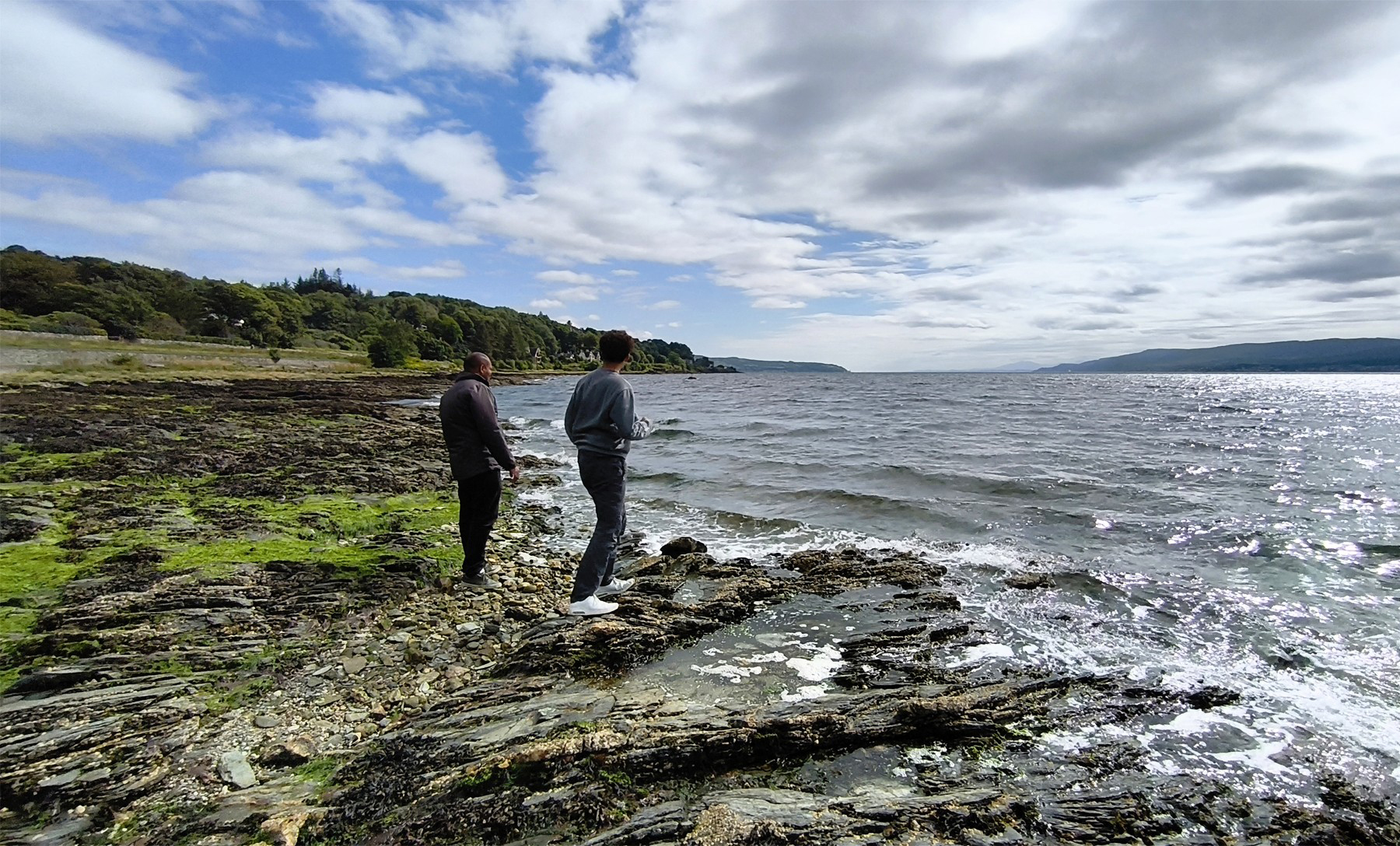
Until next time, Scotland!
Looking back, this trip was about so much more than ticking places off a map. It was about sharing a country we’d both experienced separately nearly 30 years ago and discovering it together this time, as a family.
We drove hundreds of miles, walked through forests and along beaches, cruised Loch Lomond, explored castle ruins, stood on historic battlefields, visited a whisky distillery, chased waterfalls, searched for Nessie, admired Highland Coos and spent far too much time admiring the scenery from the car window.
And every single journey was worth it.
Scotland has a way of making you stop and look. The mountains, the lochs, the changing weather, the tiny villages, the wildlife and the history all seem to come together to create something completely unique.
Next time?
Yes, there will definitely be a next time. But next time, we’ll focus on the cities.
And hopefully, we’ll see Nessie.
And the midges?
Luckily, they weren’t really an issue for us. We were well prepared with insect repellent, but perhaps it was the weather, or maybe they simply didn’t like us.
Between the three of us, we counted about half a dozen bites. I’ll take that as a win!
Mar sin leibh!