
August 2017
Over the years, I had often heard my husband talk about Copenhagen as one of his favourite places, and about how wonderful Tivoli Gardens were.
So, in the summer of 2017, we decided to split our holiday between Sweden and Denmark, where we also had friends to meet in both countries.
Copenhagen turned out to be the perfect place to fly into if you want to explore southern Sweden, as it’s just a short train ride away.
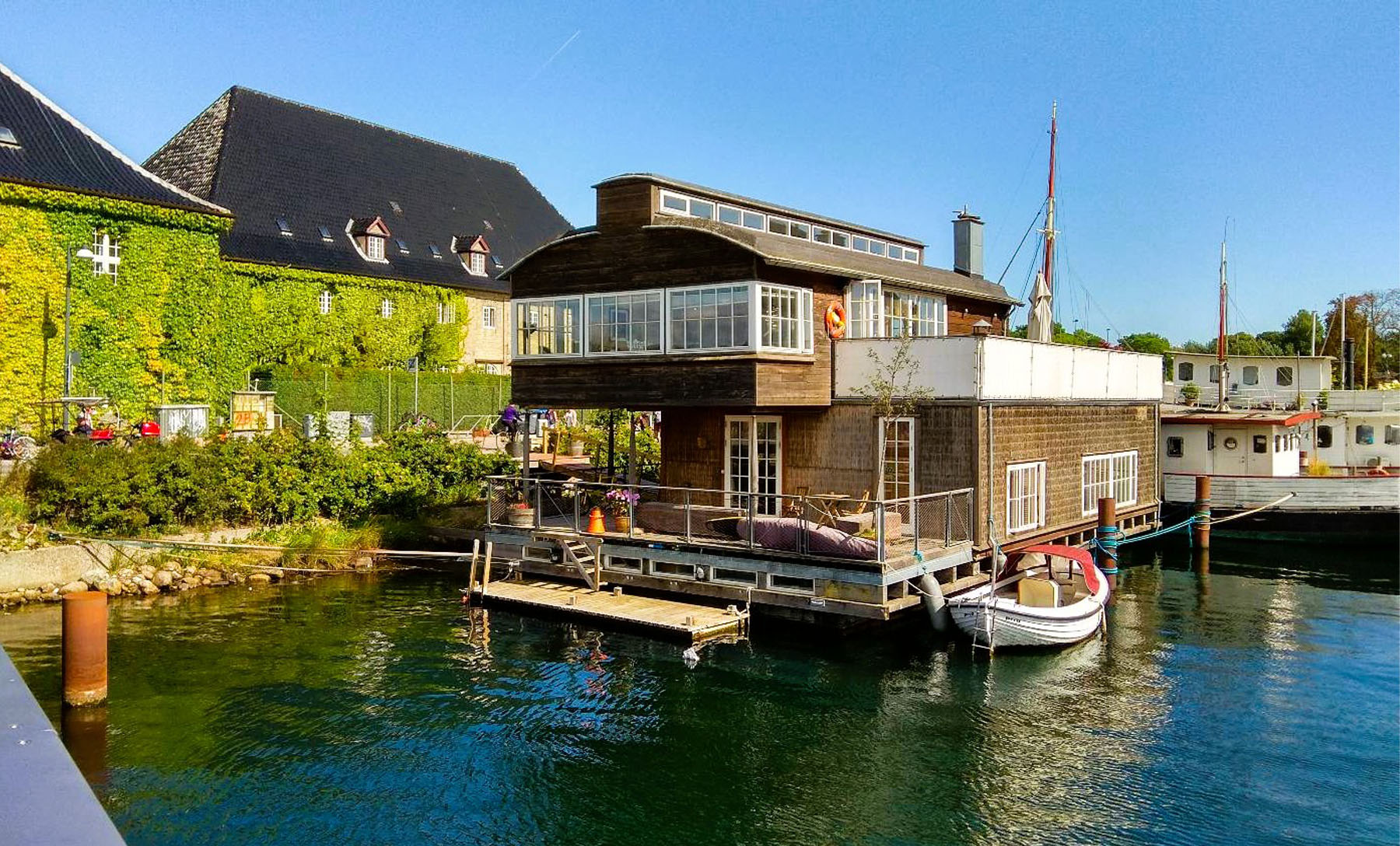 Houseboat in Christianshavn Canal
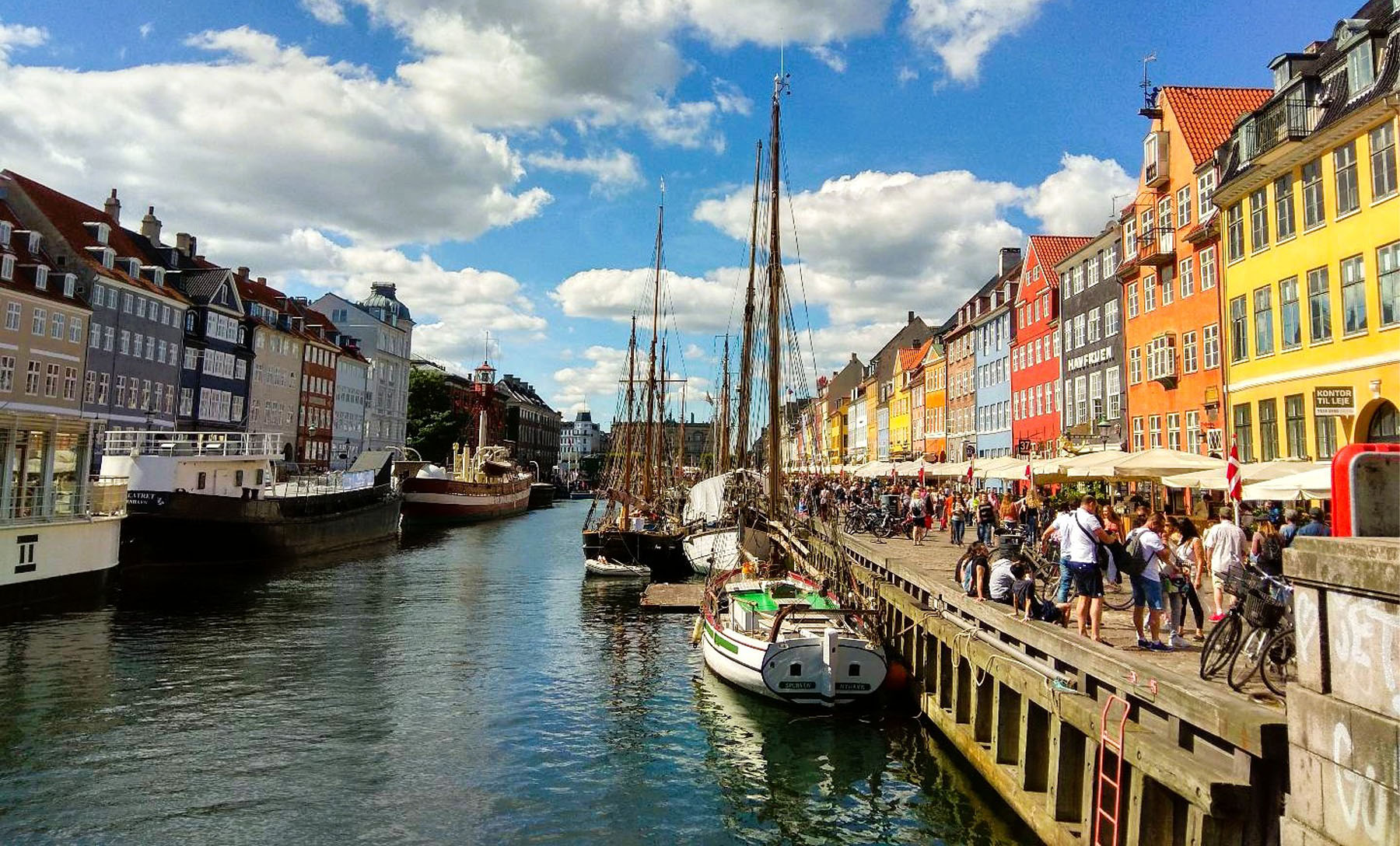
The buzzing capital of Denmark offers a charming, walkable and safe city break. Famous for its iconic, colourful harbour houses, Copenhagen combines royal history, striking modern architecture and a vibrant cultural scene with a strong commitment to sustainable living.
The city also has an excellent public transport network, considered one of the most reliable in the world, and a thriving cycling culture. And yes, there are bicycles everywhere! In fact, Copenhagen is home to more bicycles than people, with around 400 kilometres of dedicated cycle lanes, keeping cyclists safely separated from both cars and pedestrians.
Paper Island
Paper Island, or Papirøen in Danish, is a lively destination in the heart of Copenhagen’s harbour district. Once an industrial site used to store huge rolls of paper for Copenhagen’s newspapers, the island has been transformed into a vibrant urban quarter where people come to live, meet, relax and enjoy good food and culture.
The area has a relaxed, modern atmosphere and is a great place to spend a few hours while exploring the harbour. What was once a functional industrial space has evolved into a popular meeting place, blending Copenhagen’s industrial past with its contemporary food, culture and waterfront lifestyle.
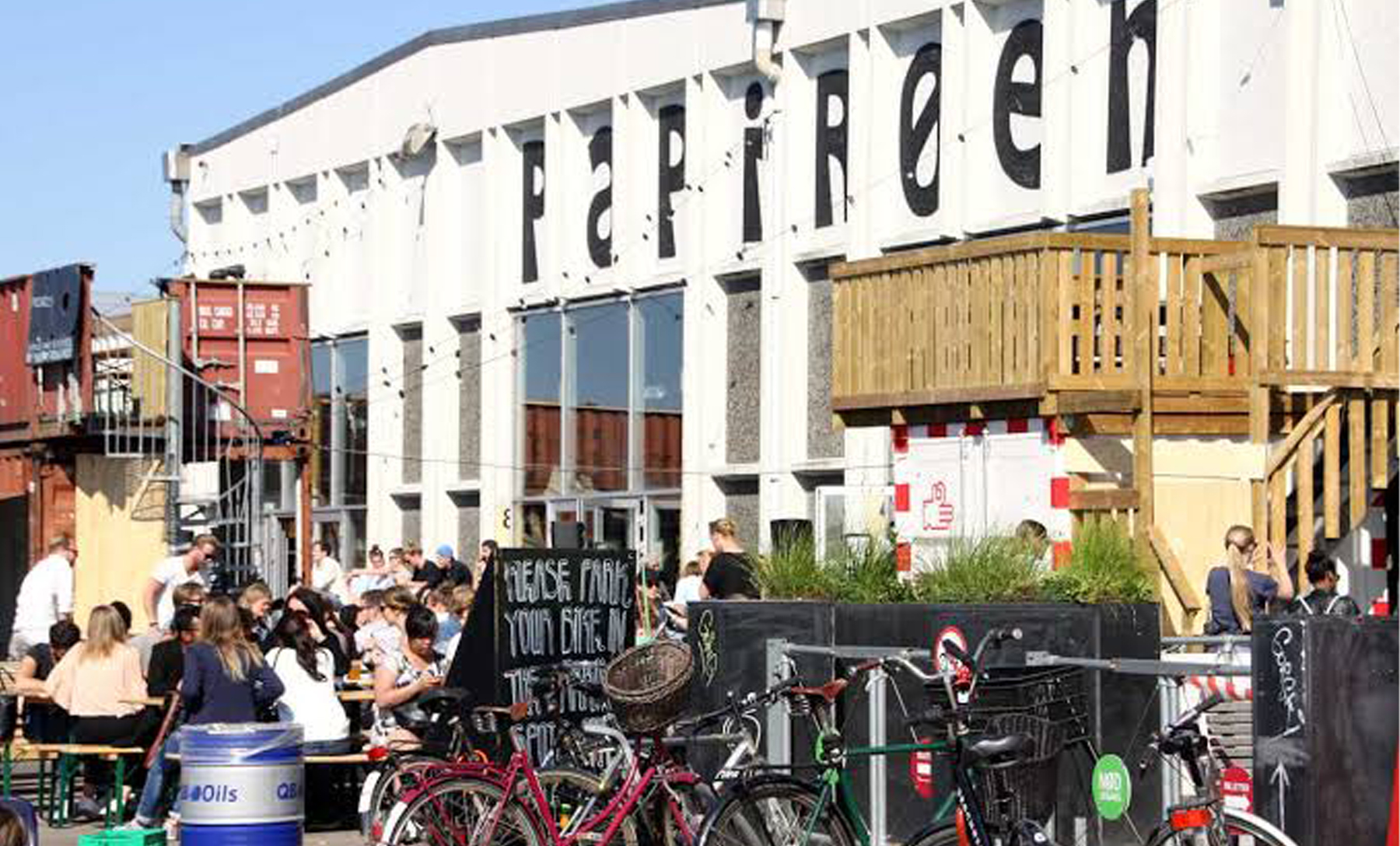 Papirøen
Whether you’re looking for somewhere to grab a bite to eat, enjoy the harbour views or simply soak up the atmosphere, Paper Island is a great spot to add to your Copenhagen itinerary.
TorvehallerneKBH
TorvehallerneKBH is a one-of-a-kind market, filled with food stalls, coffee shops, fresh produce, colourful flower stalls and exquisite little food bars offering flavours from all over the world.
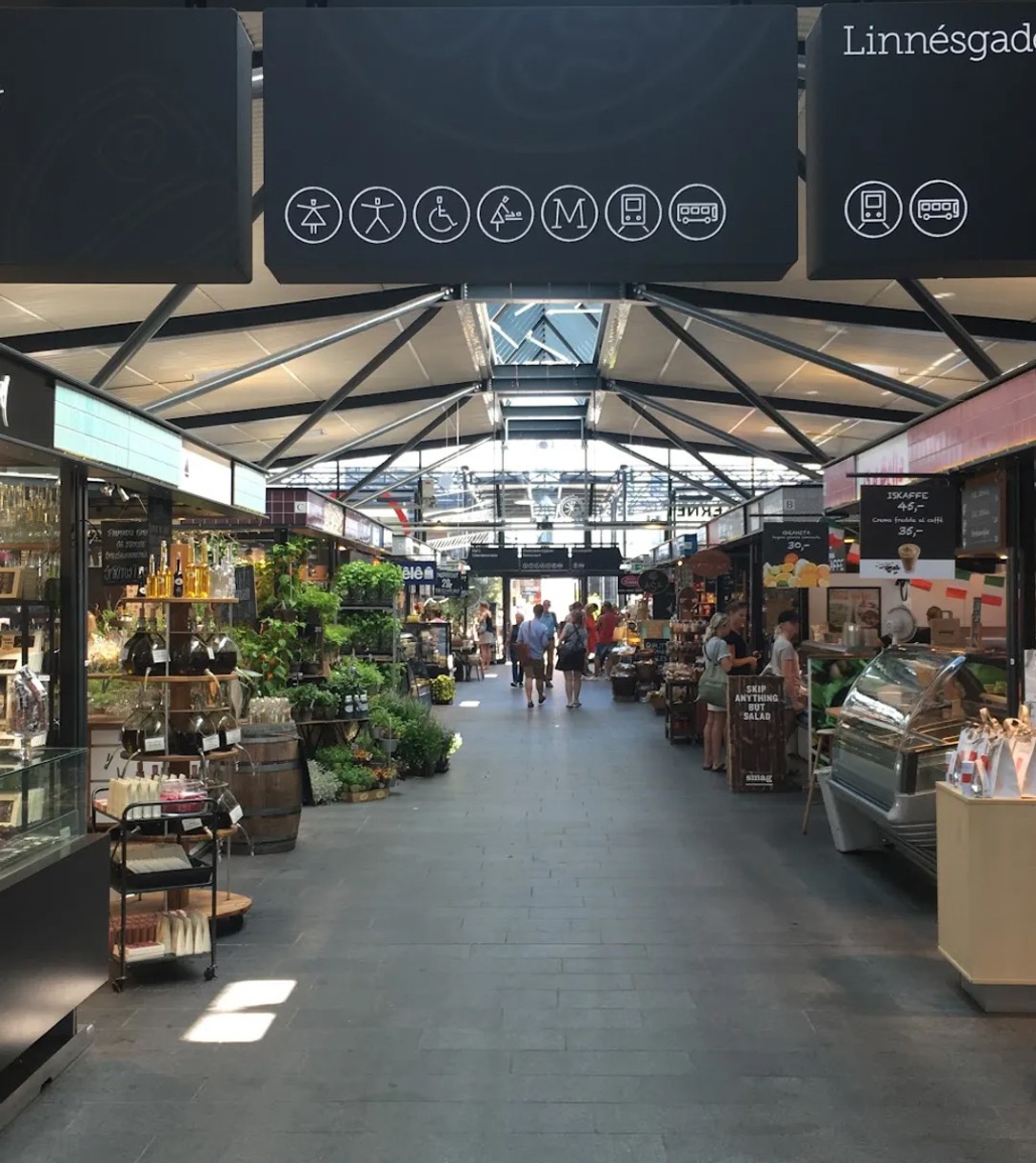 TorvehallerneKBH indoor market
A real gem for both locals and tourists, it’s well known for the exceptional quality of its produce, much of which is organic and sustainably sourced. Of course, that high quality is definitely reflected in the prices!
Botanical Garden
The Botanical Garden is a beautiful oasis in the heart of Copenhagen. Part of the Natural History Museum of Denmark, it is home to the largest collection of living plants in the country. The gardens stretch across an impressive 9.5 hectares, with an arboretum, rock gardens, a lake and several magnificent greenhouse complexes.
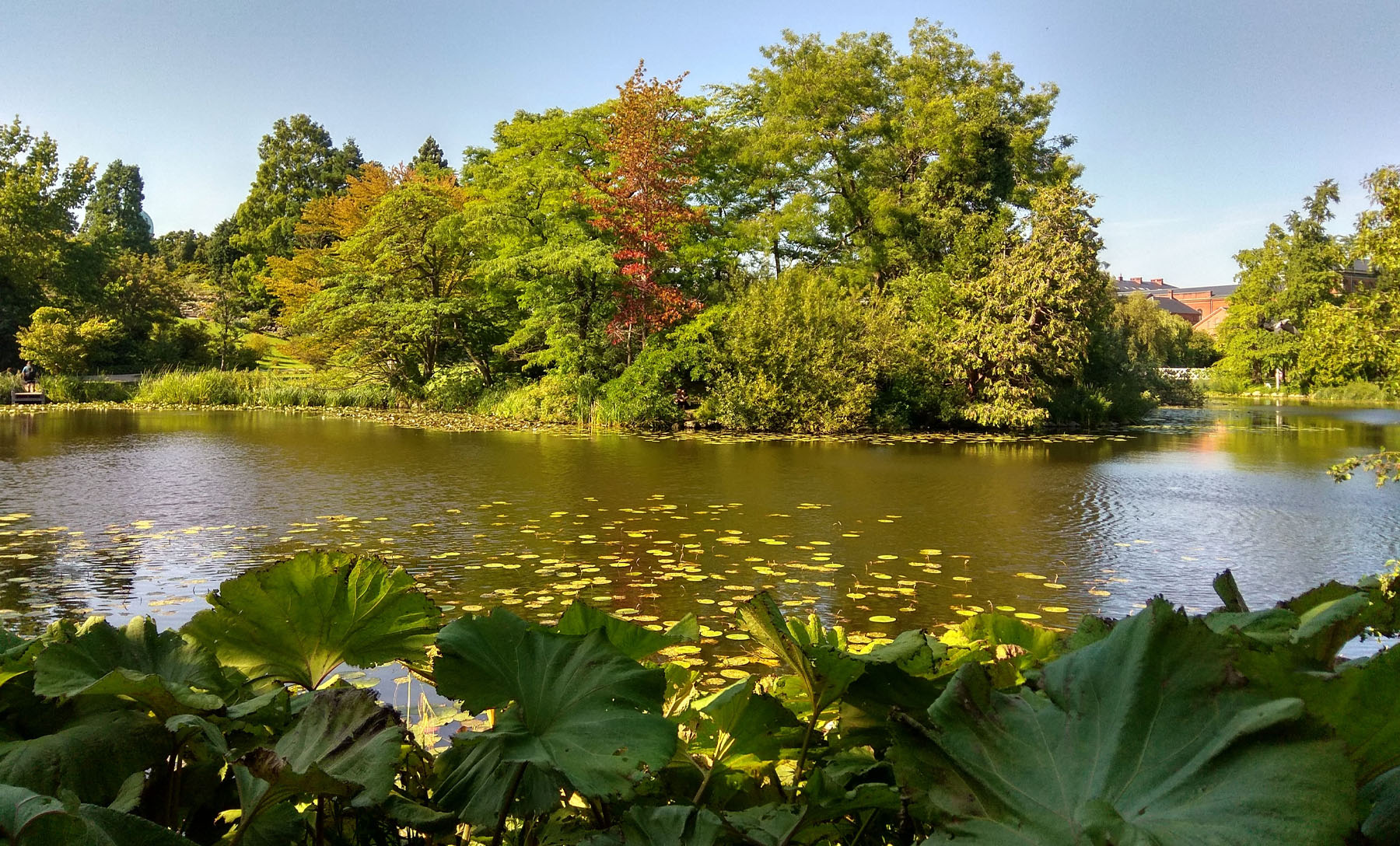
The Palm House is an absolute must-see! This beautiful Victorian greenhouse features an elevated walkway, allowing you to admire the rich diversity of tropical and subtropical plants from above. Look out for the colourful butterflies fluttering among the lush vegetation too; they make the experience even more magical.
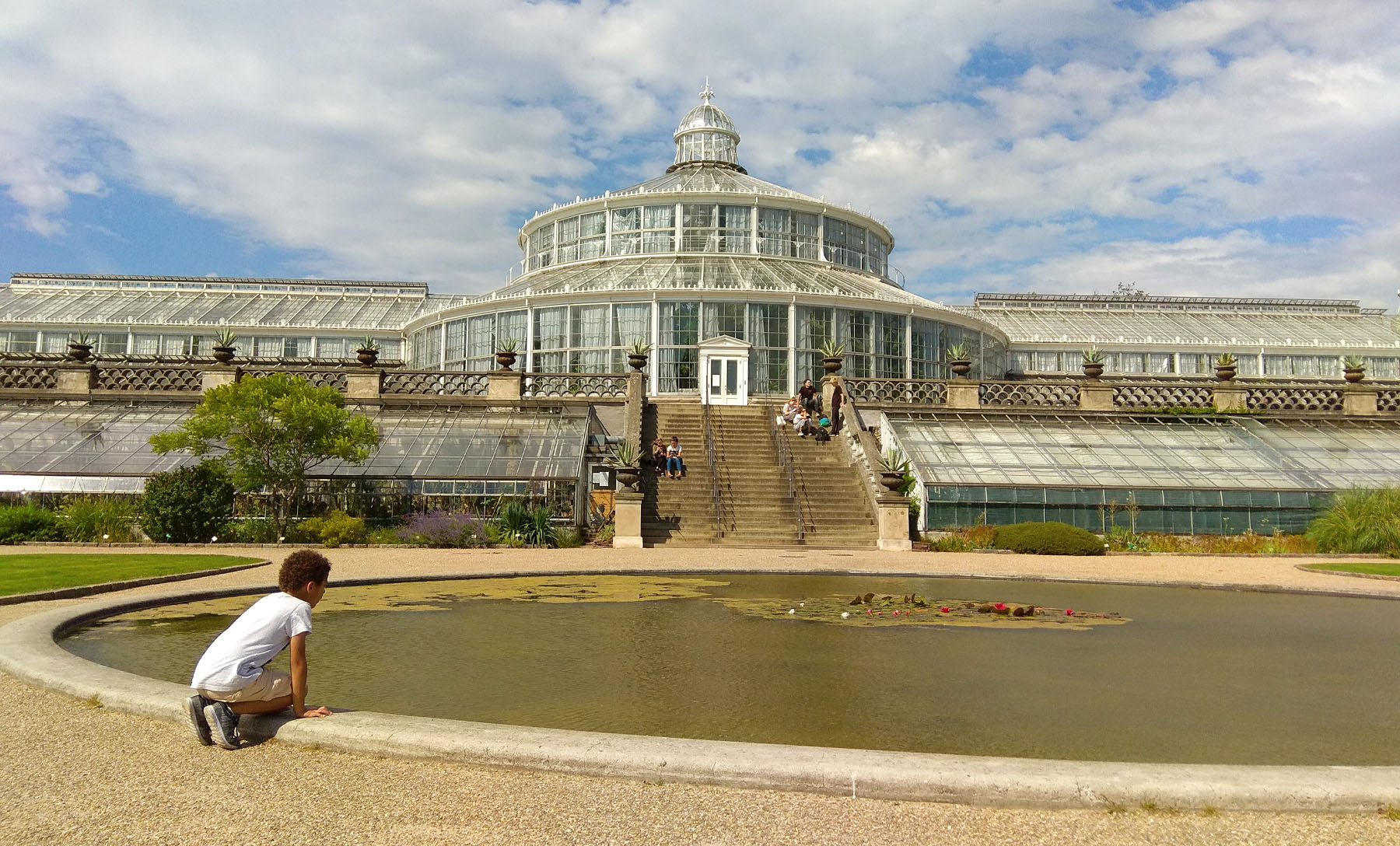
The Botanical Garden is a beautiful, free public green space where you can wander, explore and simply relax, surrounded by nature in the heart of the city. The only exception is the Palm House, which requires an entrance fee.
Rosenborg Castle
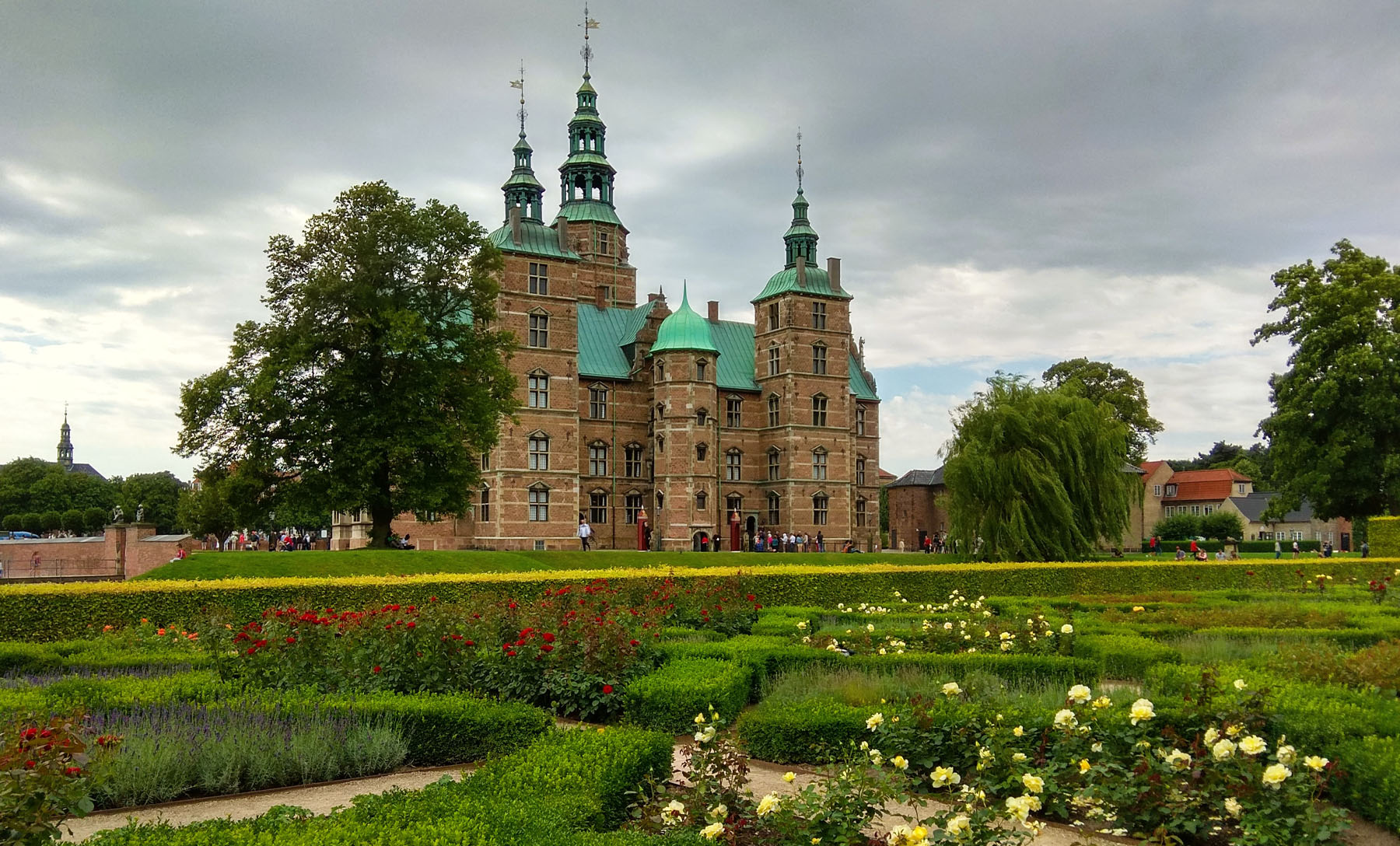
One of the city’s main attractions, and just a short walk from Nyhavn, is Rosenborg Castle, a beautiful Renaissance castle originally built in 1606 as a country summerhouse.
Set within one of Copenhagen’s most popular parks, the King’s Garden, the castle now houses a museum showcasing Denmark’s royal history, including the impressive Crown Jewels.
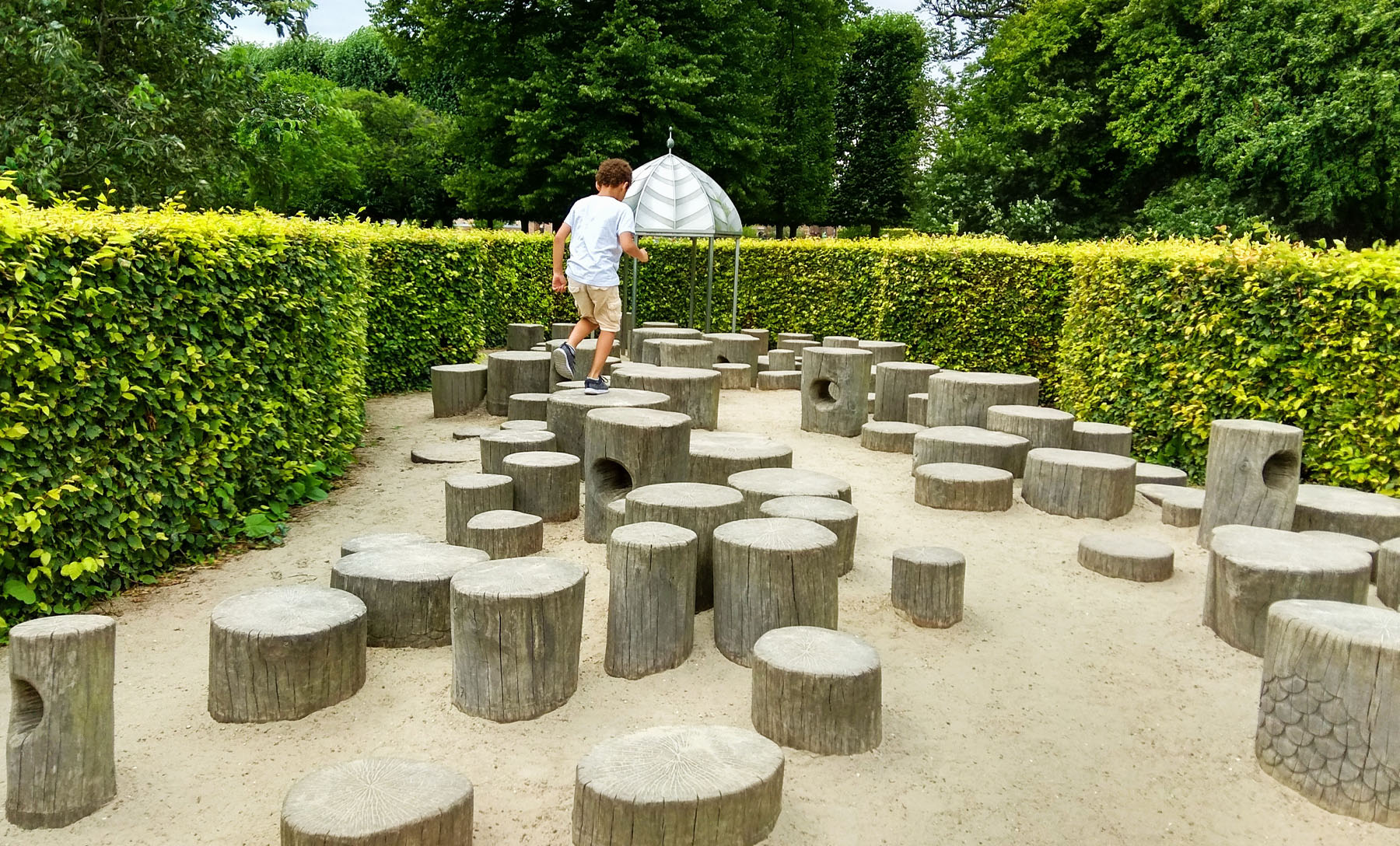
Located within the King’s Garden is a unique playground, a little haven for children.
Enclosed by tall hedges, it creates a safe and contained space where children can roam and play freely. From stepping logs and climbing features to a magnificent dragon and golden eggs, there’s plenty to keep little ones entertained and their imaginations running wild.
 Kongens Have (The King’s Garden)
Amalienborg Palace
In the heart of Copenhagen stands Amalienborg Palace, named after Queen Sophie Amalie in the mid-1600s. Today, it is the official winter residence of the Danish royal family.
The original palace was destroyed by fire in 1689, and around 300 years later, King Frederik V decided to redevelop the site. Unable to finance the construction himself, he offered plots of land to four noble families, on the condition that they built their palaces according to the plans of the royal architect.
Today, Amalienborg consists of four magnificent palaces, built in the distinctive Danish Rococo style: Moltke’s Palace (Christian VII’s Palace), Schack’s Palace (Christian IX’s Palace), Brockdorff’s Palace (Frederik VIII’s Palace) and Levetzau’s Palace (Christian VIII’s Palace). The four palaces are arranged around the elegant, octagonal Amalienborg Palace Square, with an impressive equestrian statue of King Frederik V standing at its centre.
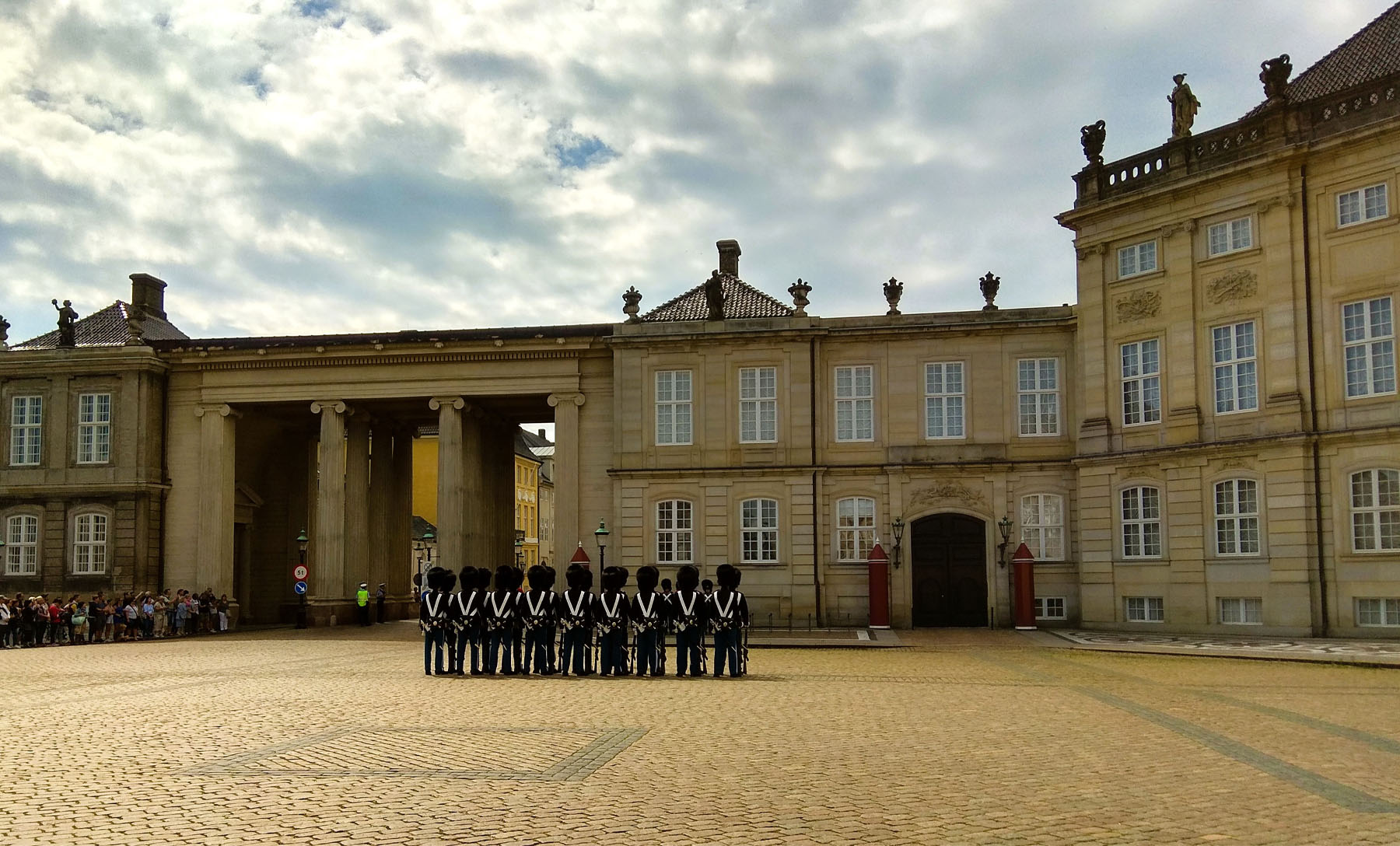
Every day, the Danish Royal Guard marches from Rosenborg Castle to Amalienborg Palace, where the Changing of the Guard ceremony takes place at 12 noon. When the monarch is in residence, the guards are accompanied by the Royal Guard’s marching band, adding a particularly impressive musical touch to the ceremony.
Kastellet
The most disappointing part of our holiday was, without a doubt, the famous Little Mermaid. We knew beforehand that it was a relatively small statue and that it attracted plenty of tourists, but in reality, it was 100 times worse than we had expected! It was almost impossible to get close enough to the statue because of the crowds, let alone take a decent photograph without capturing a sea of tourists taking selfies in the background. Needless to say, it wasn’t quite the magical encounter we had imagined!
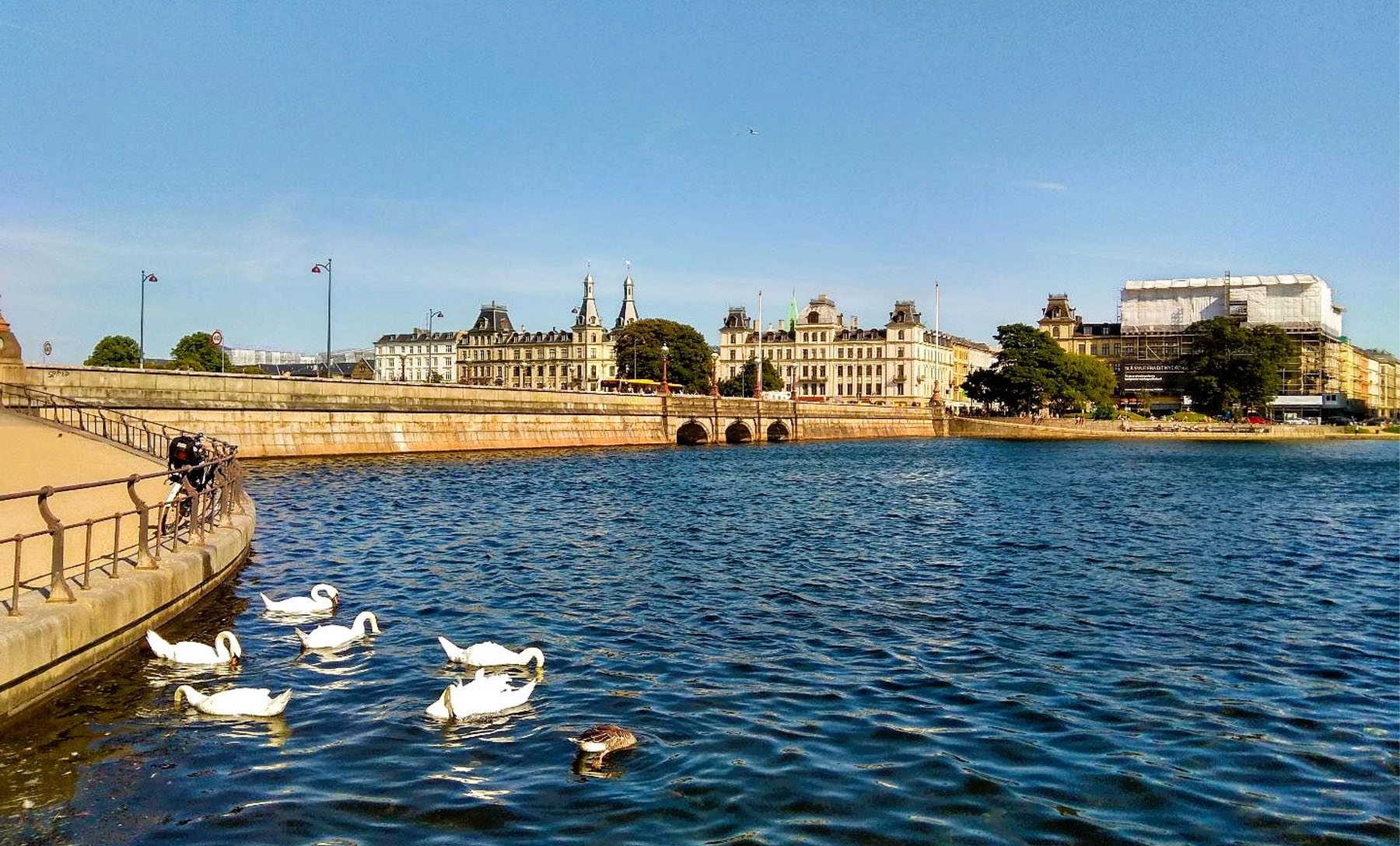
But the surrounding area is beautiful, and Kastellet is so much more than just the Little Mermaid. One of the best-preserved fortresses in Europe, it has expansive green grounds filled with nature, making it a lovely place to explore away from the crowds. There are also several interesting sights to discover, including the impressive Gefion Fountain, the Kastellet Bridge, which serves as the main entrance to the fortress, and St Alban’s Church, the only Anglican church in Denmark.
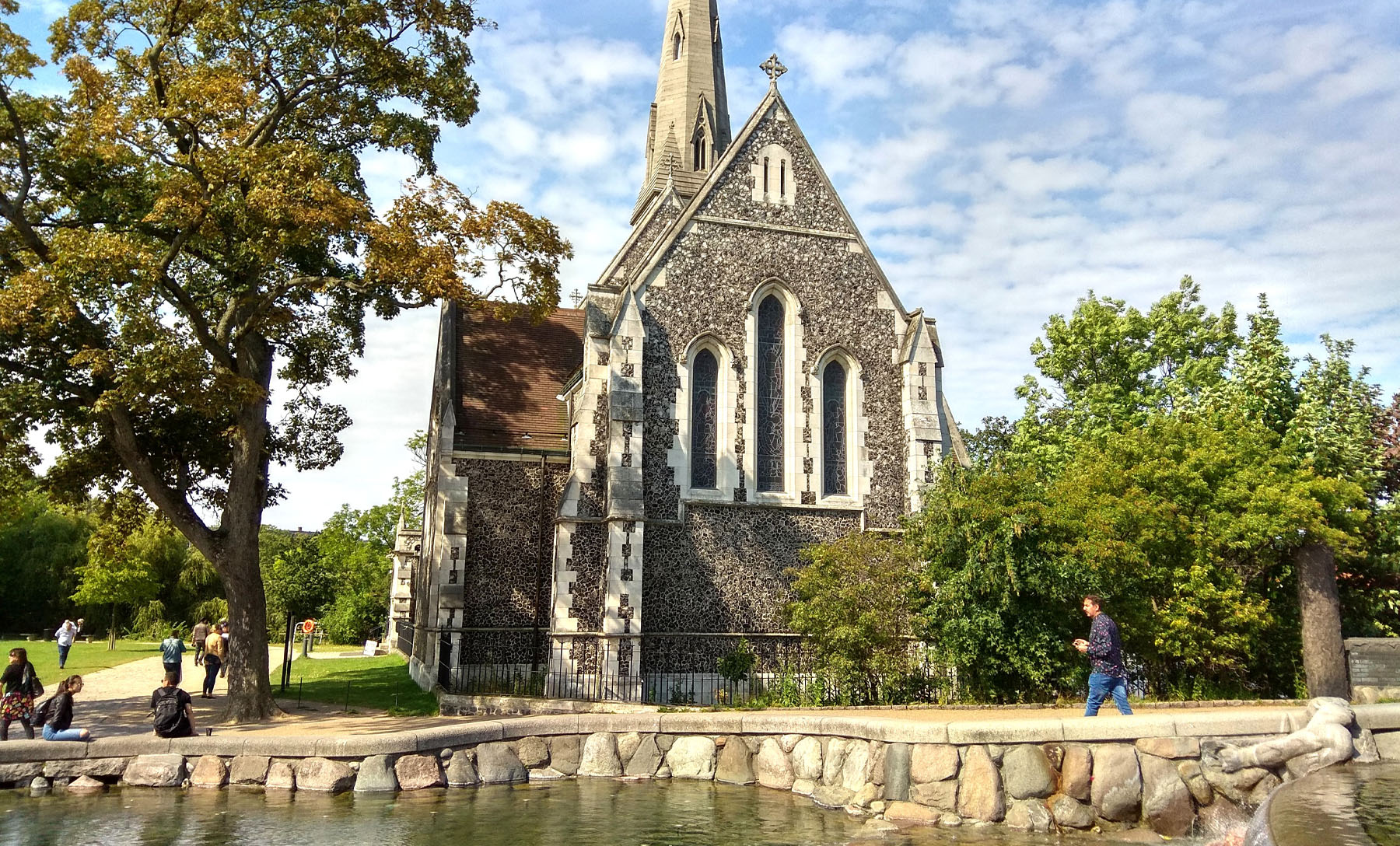 St. Alban’s Church
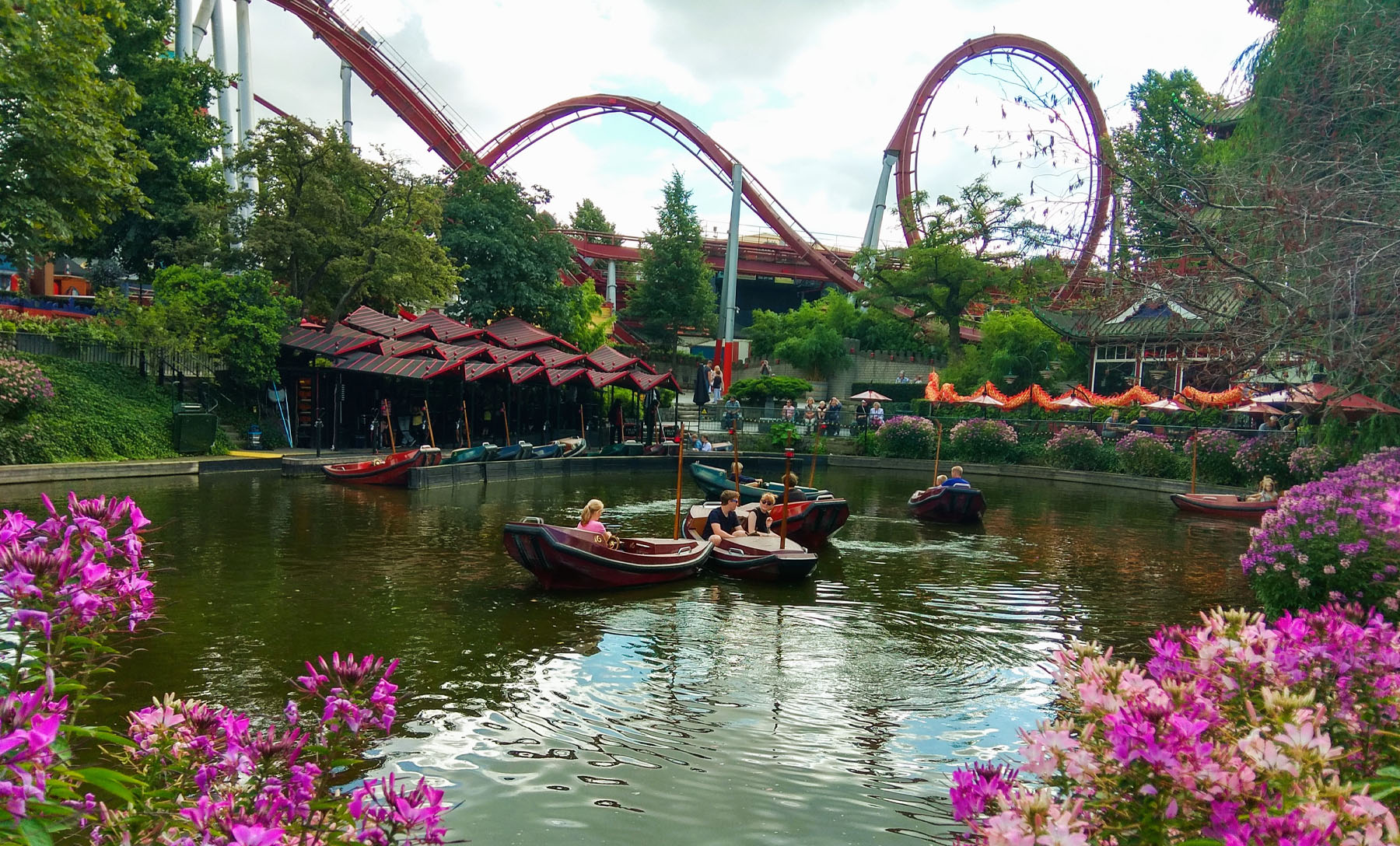
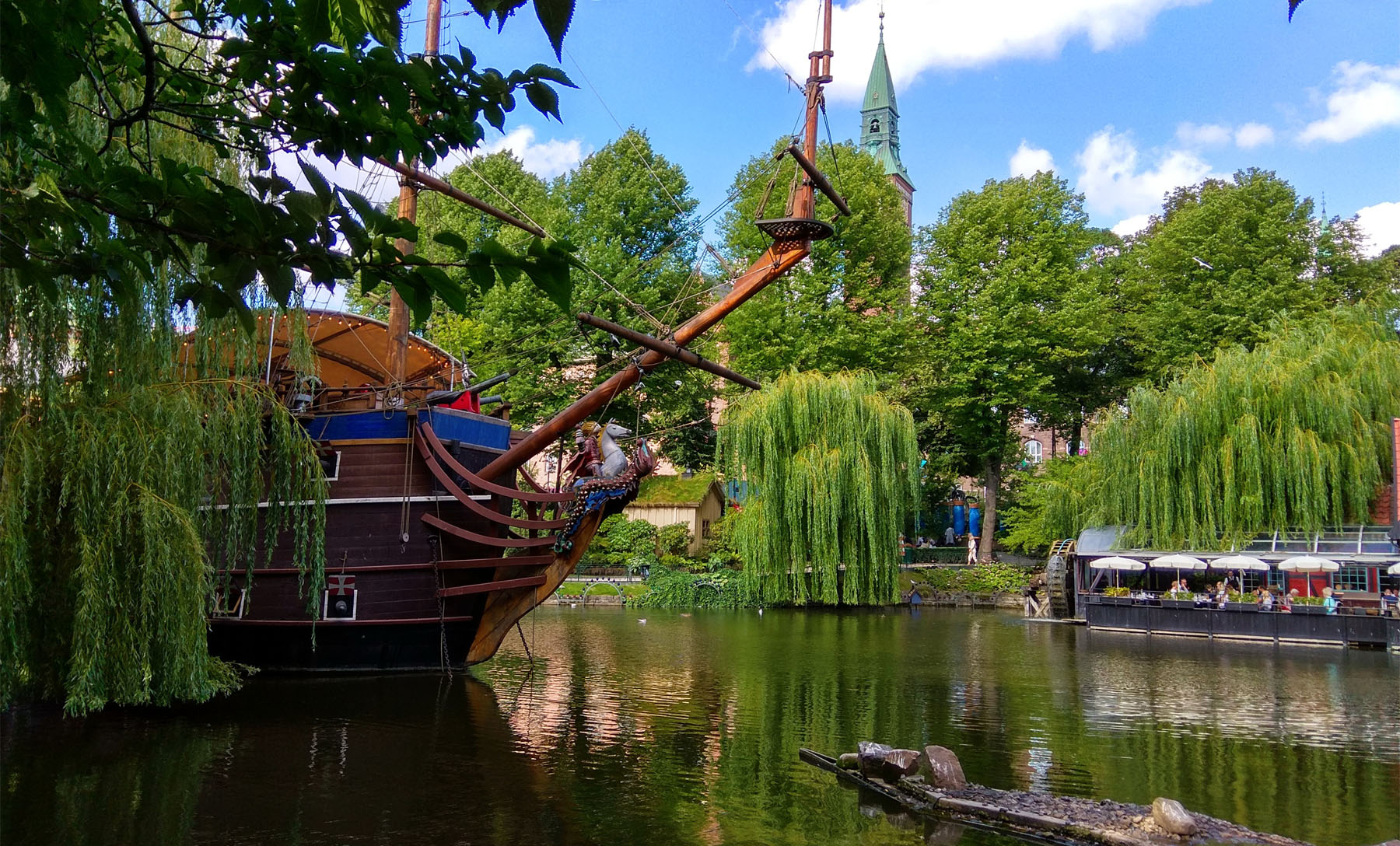
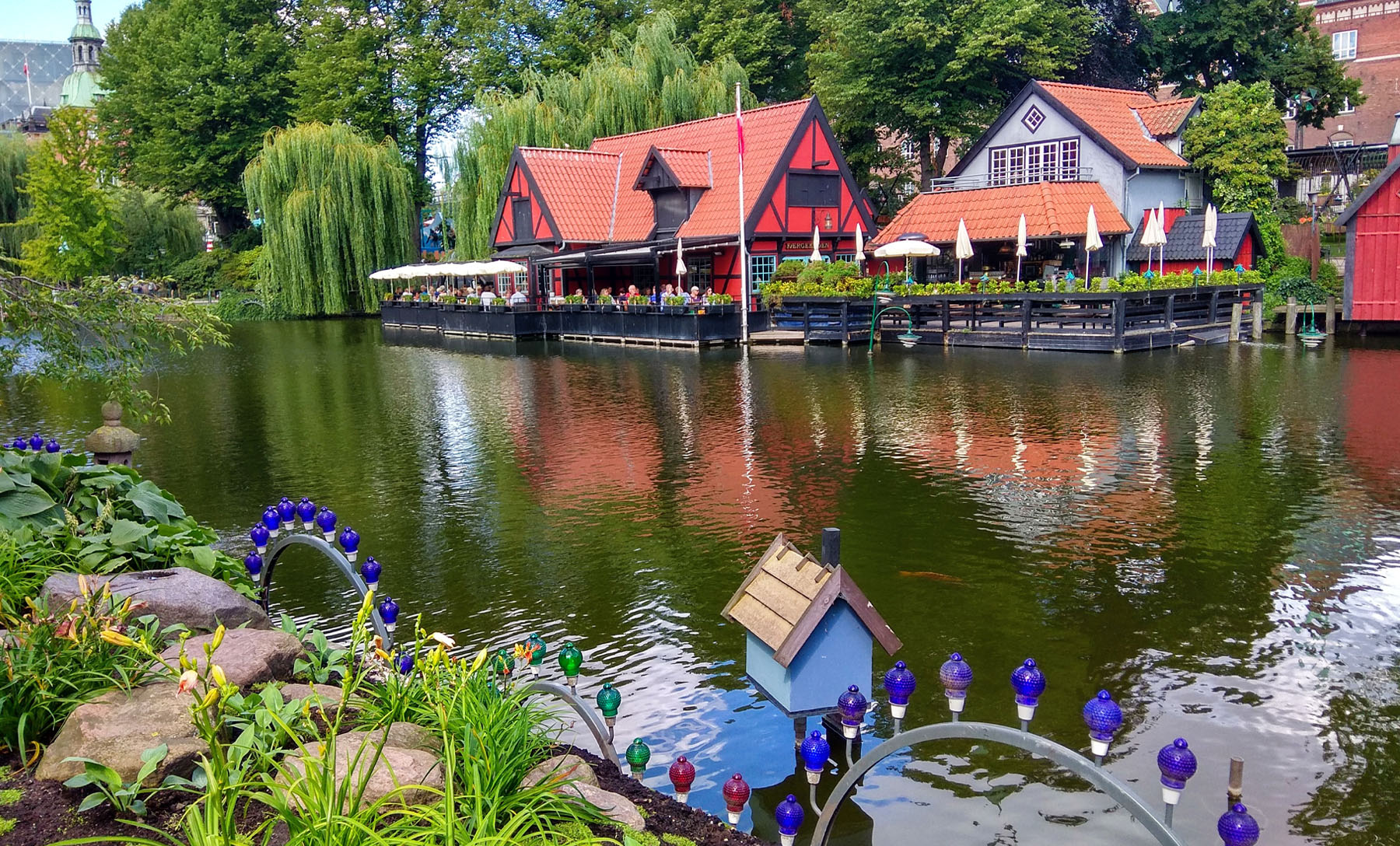
A visit to Tivoli Gardens is one of those Copenhagen experiences that feels magical from the moment you walk through the gates. The park isn’t open all year round, though, so it’s worth checking the official website before planning your trip. Tivoli operates during several themed seasons throughout the year, including Easter, Summer, Halloween and Christmas, with each season bringing its own atmosphere and decorations.
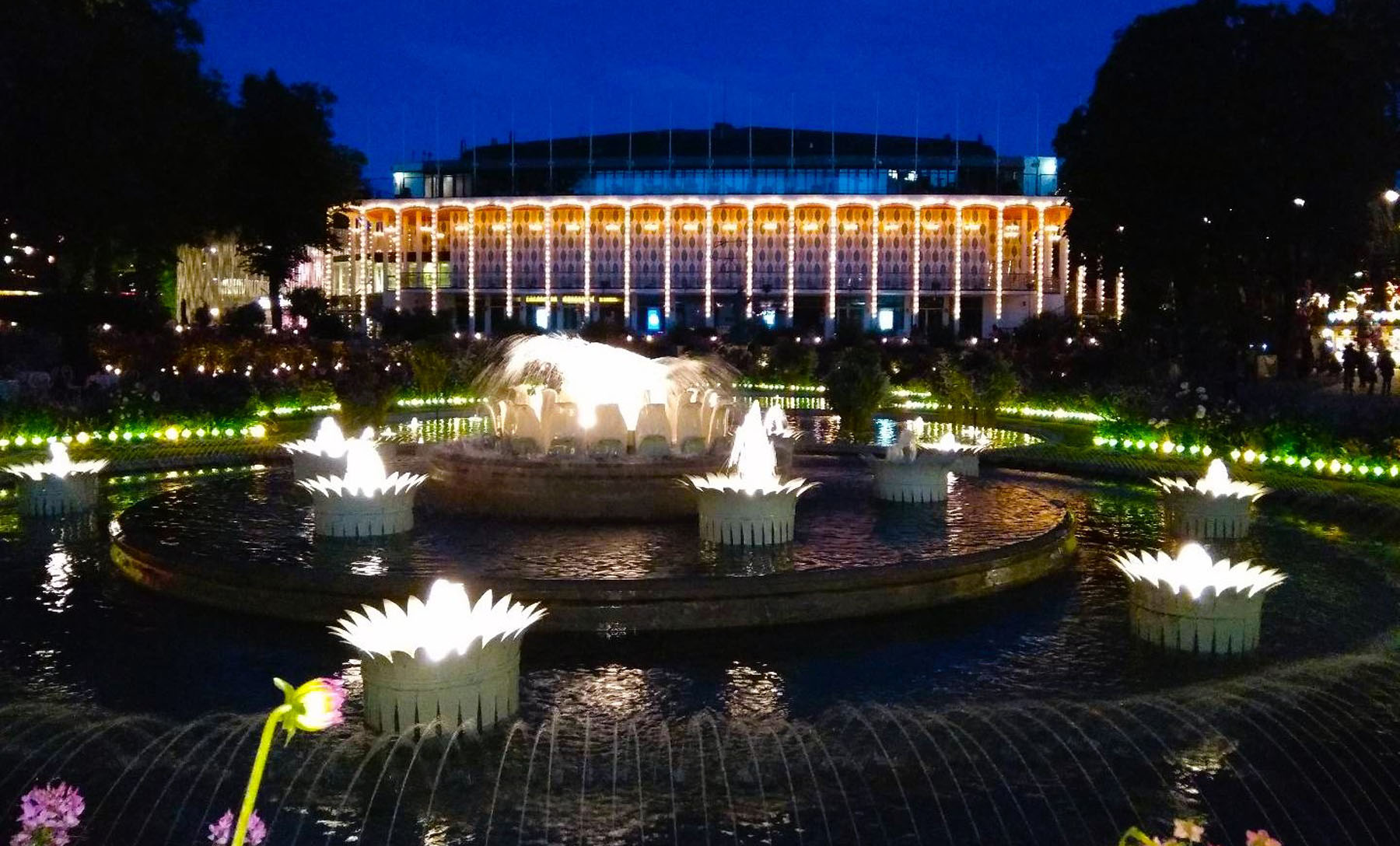 Tivoli Concert Hall
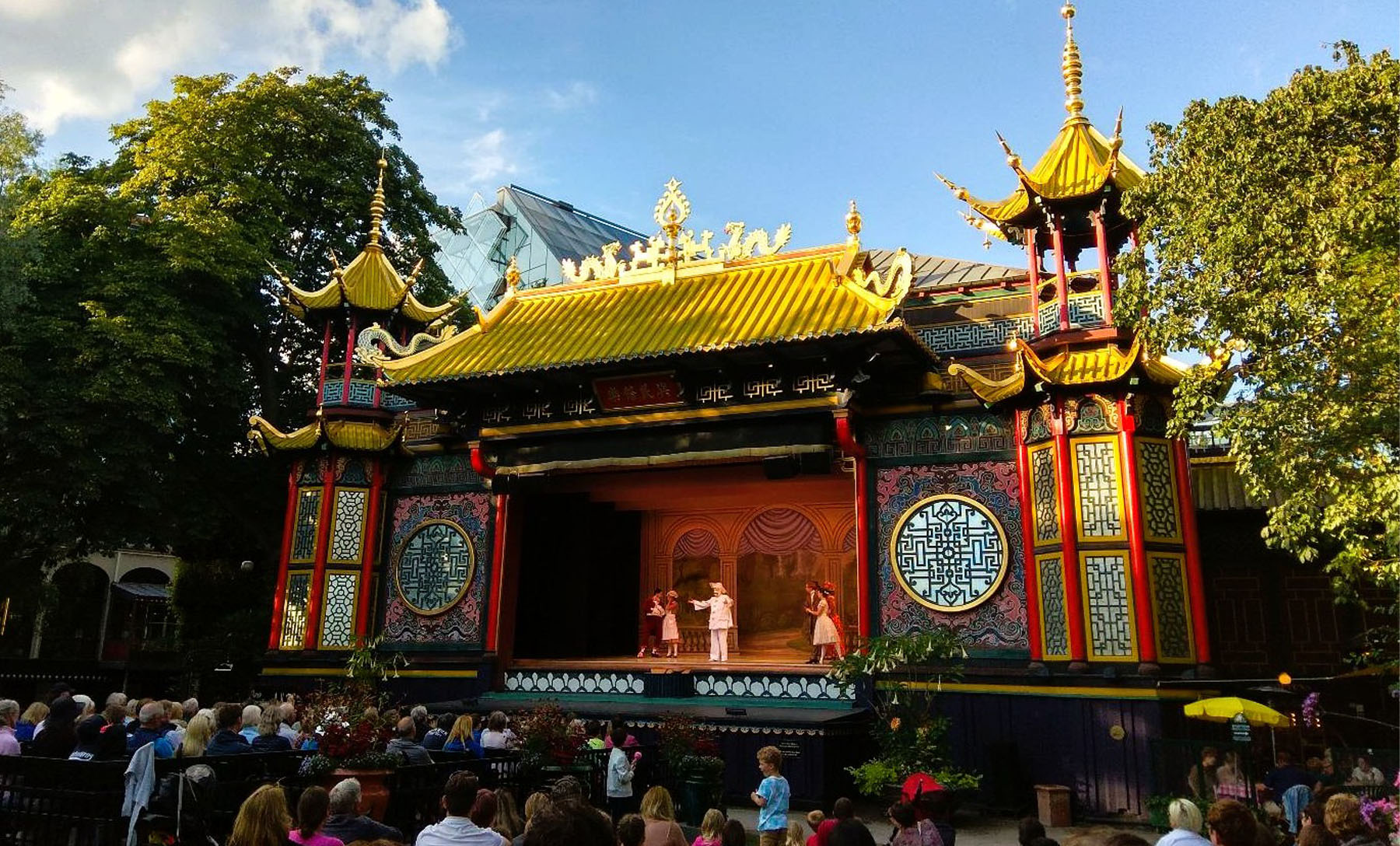
If you’re planning a visit, it’s worth checking whether there will be fireworks during your stay. They aren’t held every night, so seeing them is a bit of a bonus. We were lucky enough to visit on an evening when fireworks were scheduled, and the open-air stage area was a fantastic spot to watch the display.
Watching the fireworks light up the sky above Tivoli was the perfect way to end our visit — and definitely one of those moments that made the evening feel extra special.
Freetown Christiania
Freetown Christiania is one of Copenhagen’s most unique and fascinating neighbourhoods. Founded in 1971 on the site of abandoned military barracks, Christiania began as a protest against the lack of affordable housing in Denmark. The idea was to create an alternative, self-sustaining community where people could live more freely and build a different way of life within the city.
Over the years, Christiania became a home for free thinkers, hippies, artists and people interested in alternative lifestyles, with activities such as yoga, meditation, music and creative expression becoming part of the community’s culture.
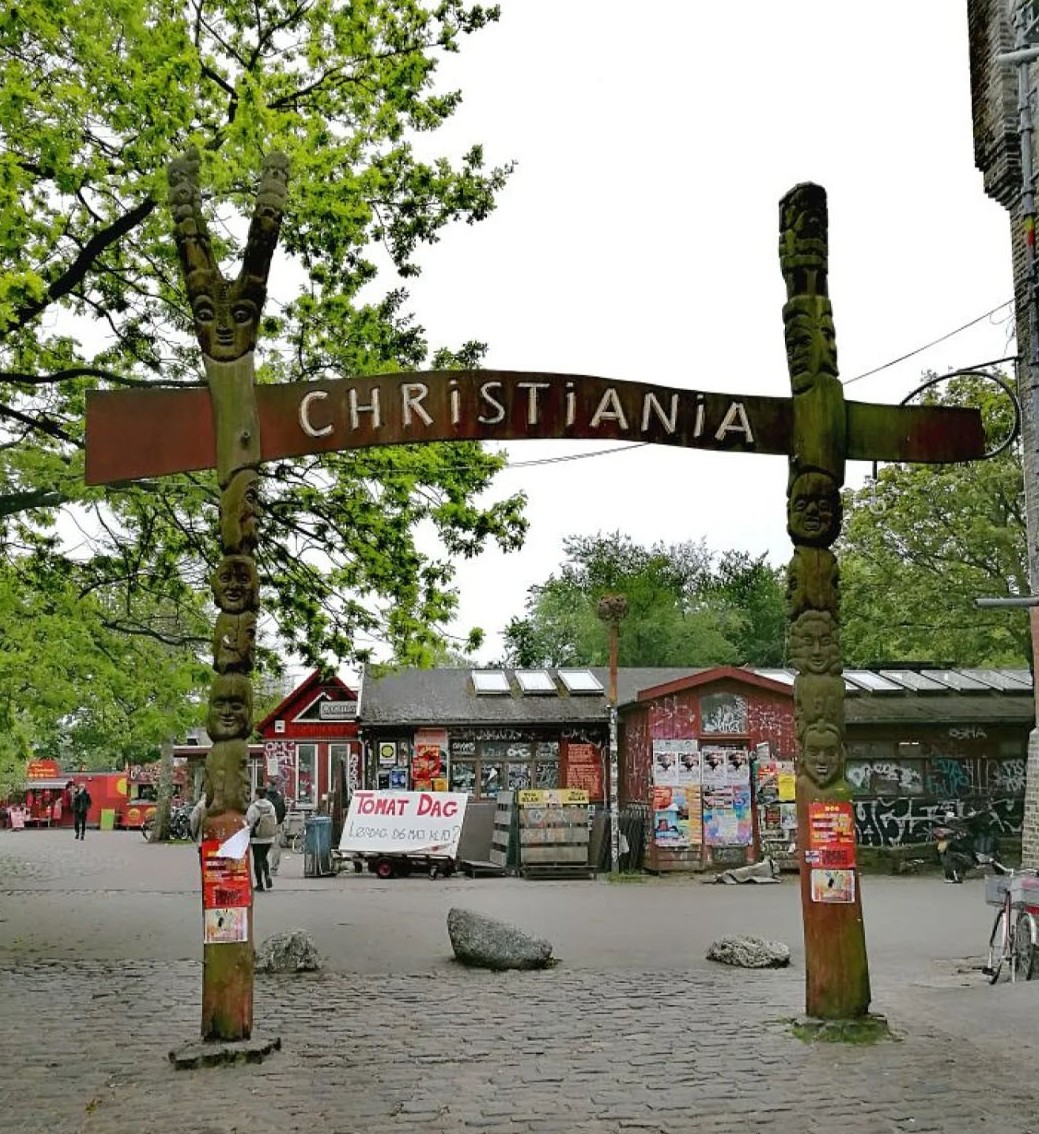
Today, Christiania operates as a parallel society within Copenhagen, with around 850 permanent residents. The community has its own democratically elected governing structure and even its own currency. Life here is guided by a small number of community rules, including no violence, no guns or weapons, no hard drugs and no buying or selling of buildings, houses or land.
One of the more unusual rules is “no running”. While this might sound strange to visitors, running can cause alarm among residents as it is often associated with police entering the area. Walking through Christiania feels quite different from the rest of Copenhagen. Colourful murals, handmade buildings, street art and creative spaces give the area a distinctive character, while its history and alternative way of life make it a fascinating place to explore.
Christiania isn’t a traditional tourist attraction, and that’s part of what makes it interesting. It’s a living community with its own identity, history and rules, so visitors should be respectful of the people who live there and follow local guidance during their visit.
Frederiksborg Castle
Less than an hour from Copenhagen by train lies the magnificent Frederiksborg Castle, set across three small islets in the middle of Castle Lake in Hillerød. Surrounded by water and beautiful gardens, the castle makes for a wonderful day trip from Copenhagen.
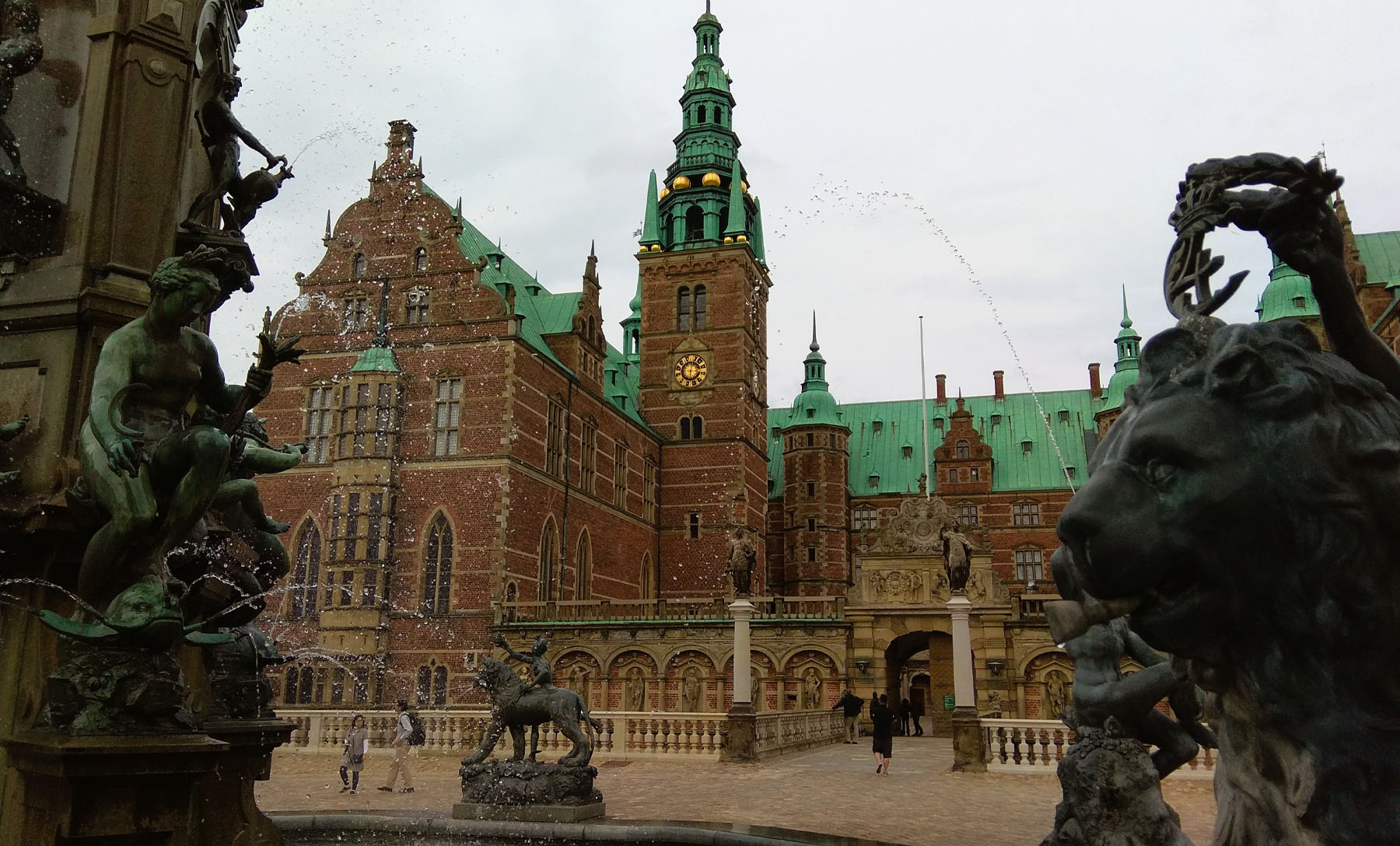
Built by King Christian IV during the early decades of the 17th century, Frederiksborg Castle is the largest Renaissance complex in the Nordic region. Its grandeur was designed to reflect Christian IV’s power and status as one of Europe’s most influential monarchs. Every detail was carefully considered, from the richly decorated interiors to the impressive Neptune Fountain and the Marble Gallery in the King’s Wing.
Today, the castle is home to the Museum of National History, where visitors can explore Denmark’s history through an impressive collection of portraits, paintings and historical artefacts.
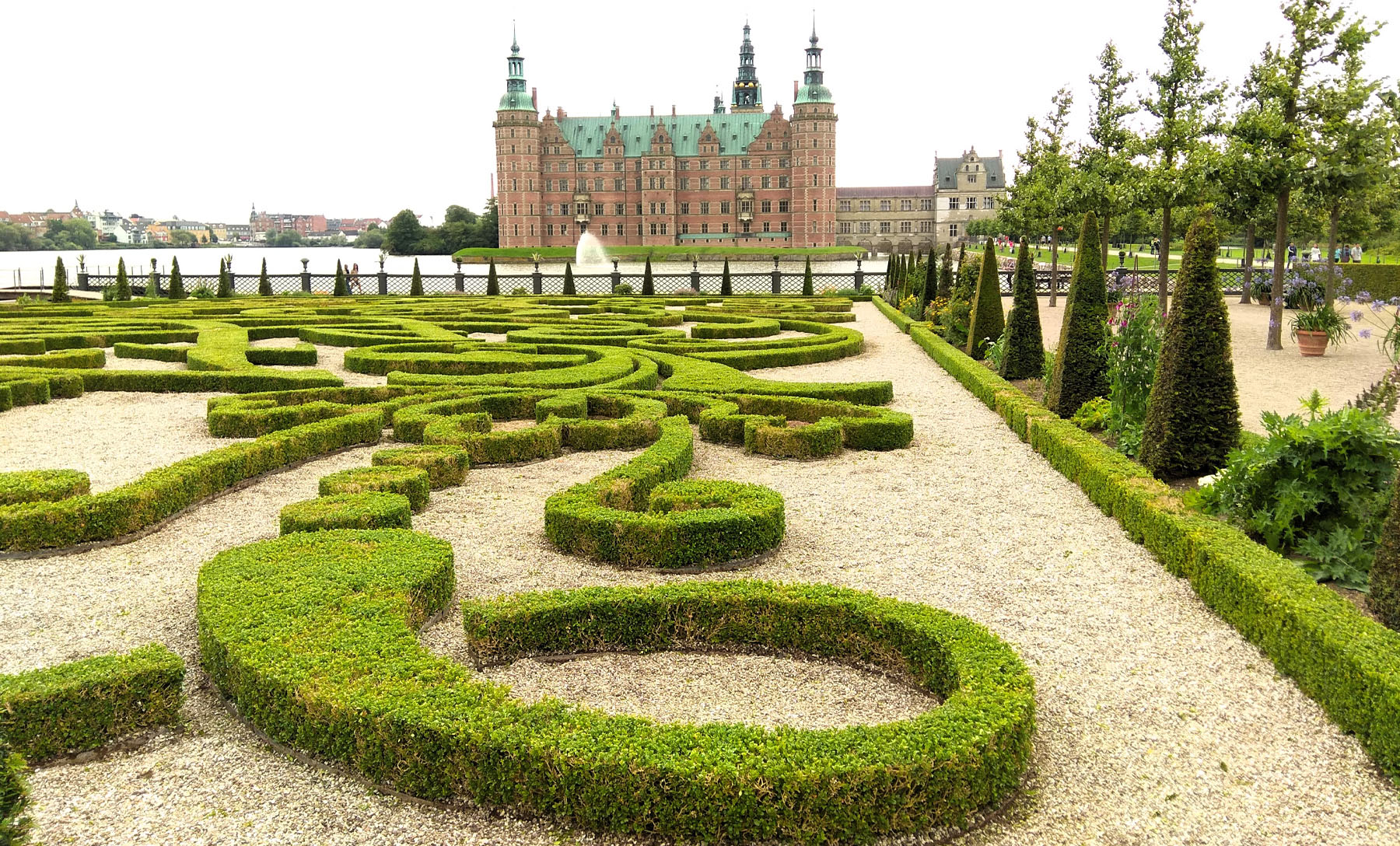
The castle gardens are just as impressive as the building itself. The formal Baroque Garden is a masterpiece of symmetry and design, featuring four terraces, an elaborate cascade, perfectly clipped hedges, topiary and royal monograms. It’s the kind of place where you’ll want to take your time and wander through the gardens rather than simply admire them from a distance.
To the left of the Baroque Garden is the very different Romantic Garden, inspired by the English landscape-garden style. With winding paths, small lakes, shrubberies and natural-looking planting, it was designed to create a sense of tranquillity and showcase the beauty of nature. Hidden within the garden is the charming Bath House, which is occasionally still used by the Royal Family for hunt lunches.
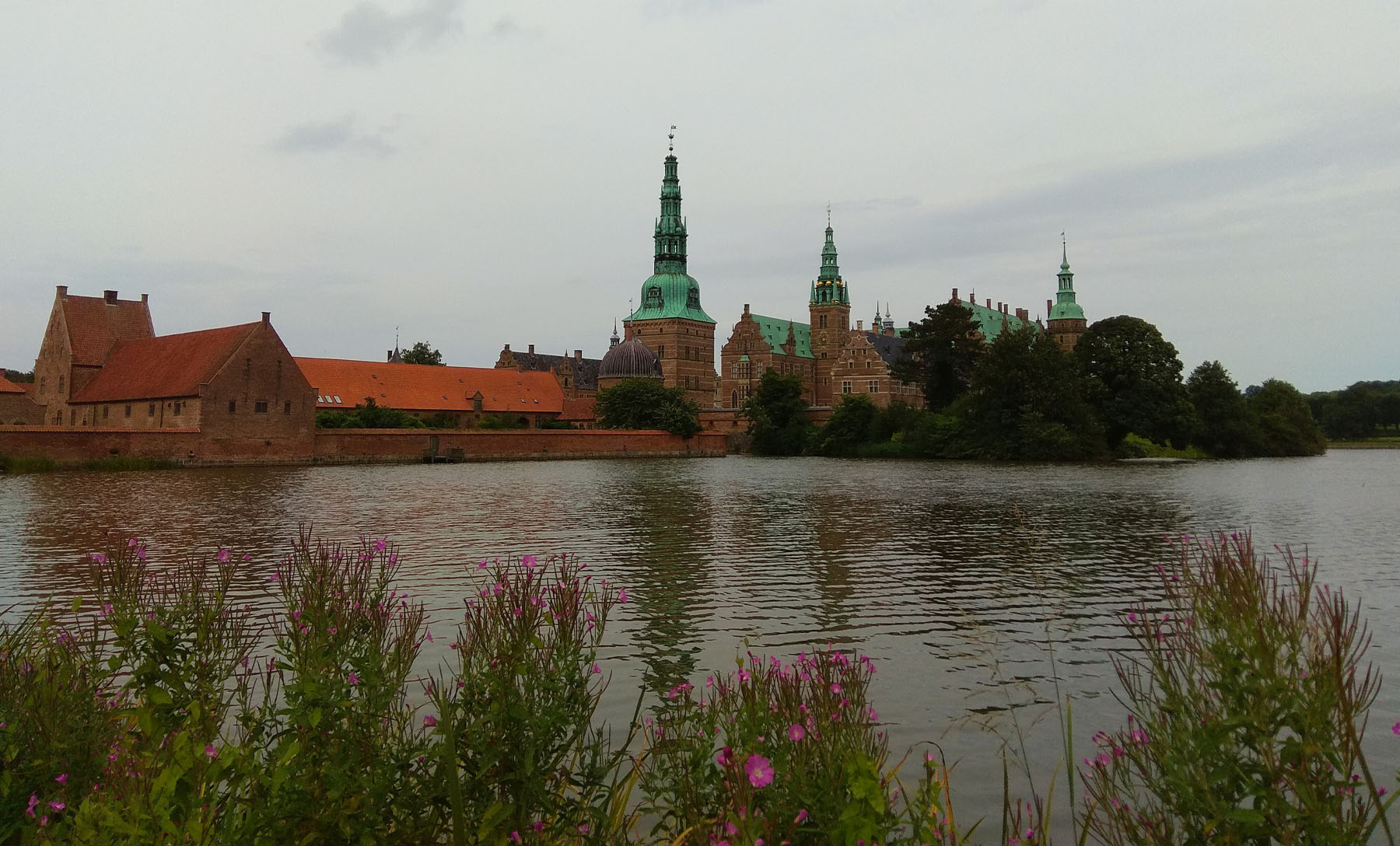
One of the nicest ways to arrive at Frederiksborg Castle is by walking from Hillerød along the lakeshore. The route offers beautiful views across the water towards the castle, as well as plenty of opportunities to spot wildlife along the way.
If you’re looking for a peaceful escape from the bustle of Copenhagen, Frederiksborg Castle is a wonderful place to spend a few hours. The combination of spectacular Renaissance architecture, beautiful gardens, fascinating history and the tranquil setting around the lake makes it a memorable day trip.
Hej hej!