
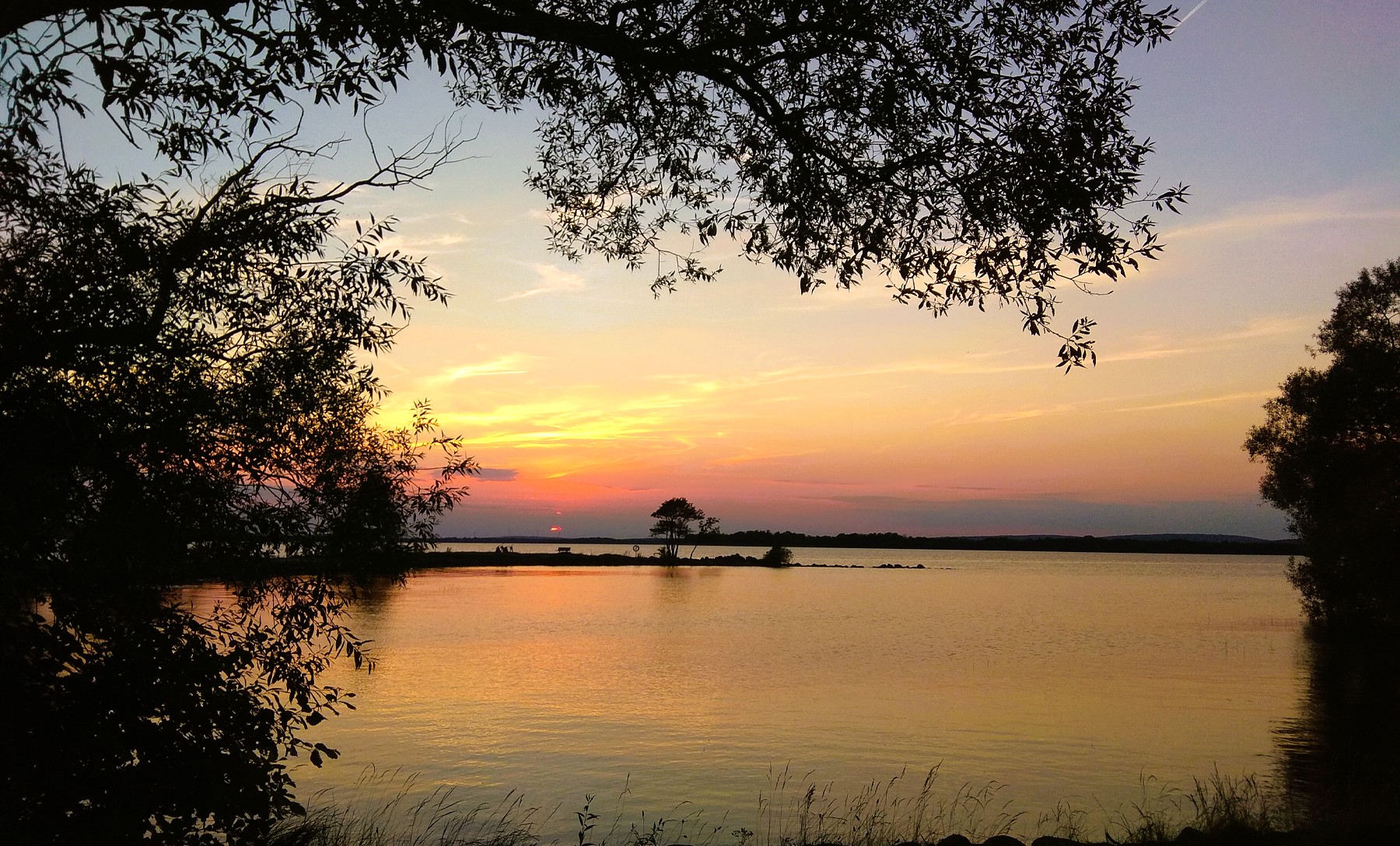
August 2017
Copenhagen Airport is one of the most convenient gateways when travelling to southern Sweden. From the airport, you can catch a train directly into Sweden, passing through Malmö and continuing north towards Bromölla. The journey takes only a couple of hours, with beautiful Scandinavian landscapes unfolding along the way.
Bromölla is not usually the first place that comes to mind when thinking about Sweden. In fact, many people have never heard of it. For us, that was precisely what made it appealing: an opportunity to experience a quieter, more authentic side of Sweden while visiting a very dear friend.
Nestled in the picturesque landscapes of Skåne län, Bromölla is a charming little town with a strong sense of community and tradition. Just a short walk from Ivö Lake, it offers a peaceful glimpse into everyday Swedish life, far beyond the country’s better-known tourist destinations.
Sometimes, the most memorable journeys are the ones that take you slightly off the beaten path.
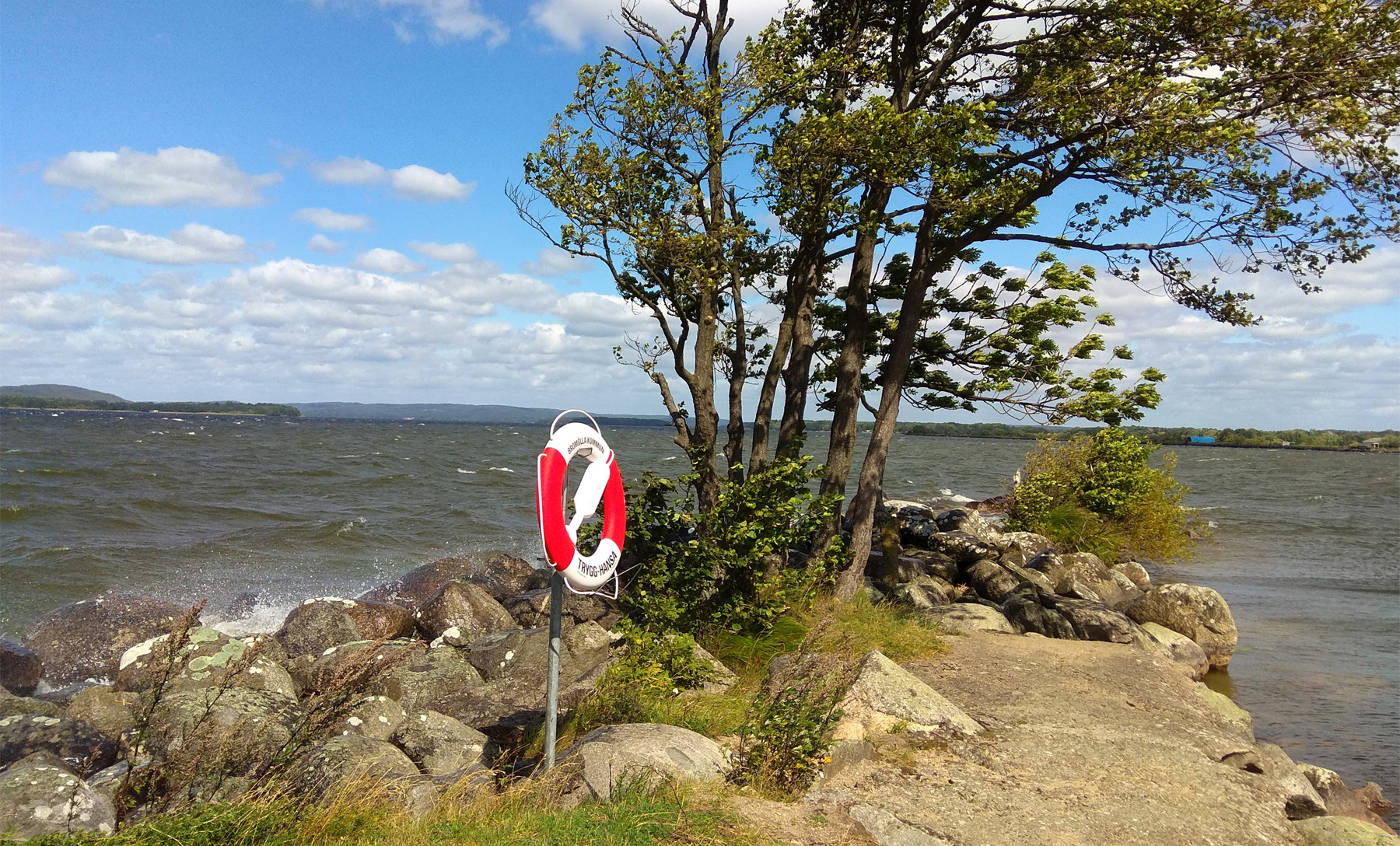 Ivö Lake (Ivösjön)
Ivö Lake is the largest and deepest lake in the region, stretching across just under 55 km² and reaching a maximum depth of around 50 metres. Surrounded by peaceful countryside and the gentle landscapes of Skåne, the lake has a quiet, almost timeless beauty.
But it is at sunset that Ivö Lake truly comes alive. As the sun slowly sinks towards the horizon, the water takes on shades of gold, pink and orange, creating breathtaking reflections across its surface. It is the kind of view that invites you to stop, take a breath, and simply enjoy the moment.
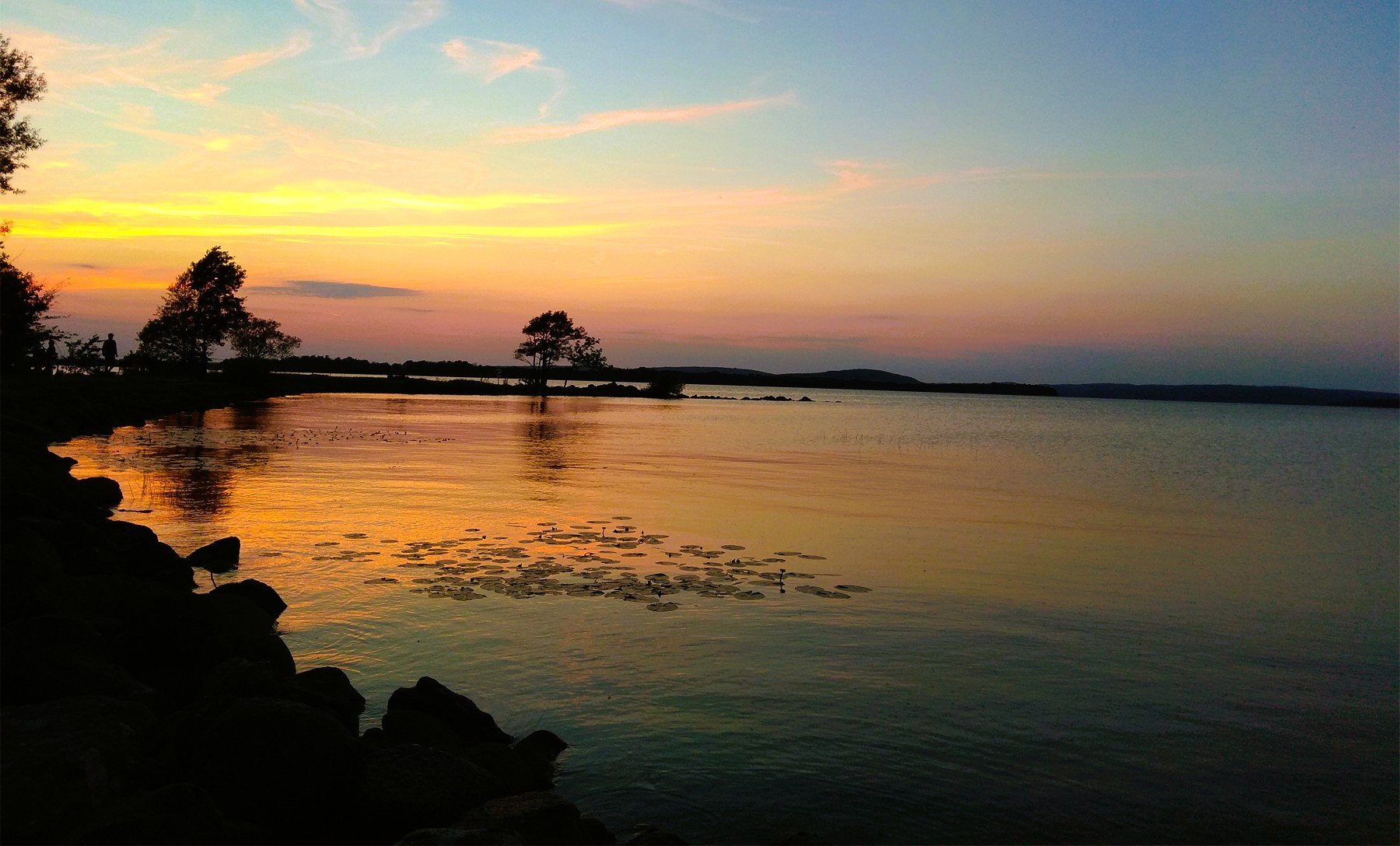 Sunset at Ivö Lake
Bromölla is home to around 8,100 inhabitants. The town began to grow in the early 20th century, developing from a small village surrounded by quarries into an industrial centre shaped by manufacturing. The establishment of ceramics production and other related industries played an important role in the town’s expansion and prosperity.
Bromölla is particularly known for its historic industrial manufacturer, Ifö, whose name became closely associated with sanitary ceramics, including toilets and sinks. The company has left a lasting mark on the town’s identity and heritage.
And here’s a fun little detail: if you visit the local souvenir shop, you can even buy tiny toilets as souvenirs! It might just be one of the most unexpected and memorable mementoes from Bromölla.

A large mural of a dinosaur skeleton painted on the facade of an old ceramic factory building
In the heart of Bromölla, in the town’s main square, Ifö Square, you’ll find one of its most unusual landmarks: a stone fountain featuring two enormous prehistoric reptiles. The sculpture pays tribute to the remarkable number of fossils discovered in the area.
Known as Scanisaurus, the sculpture was inaugurated in 1971 and depicts two Plesiosaurs basking in the sun on a rocky cliff on the island of Ivö. The prehistoric creatures are a playful reminder of the region’s fascinating geological past and the fossils that have been found here over the years.
It’s certainly not something you expect to encounter in the middle of a small Swedish town — and that is part of what makes Bromölla so charming.
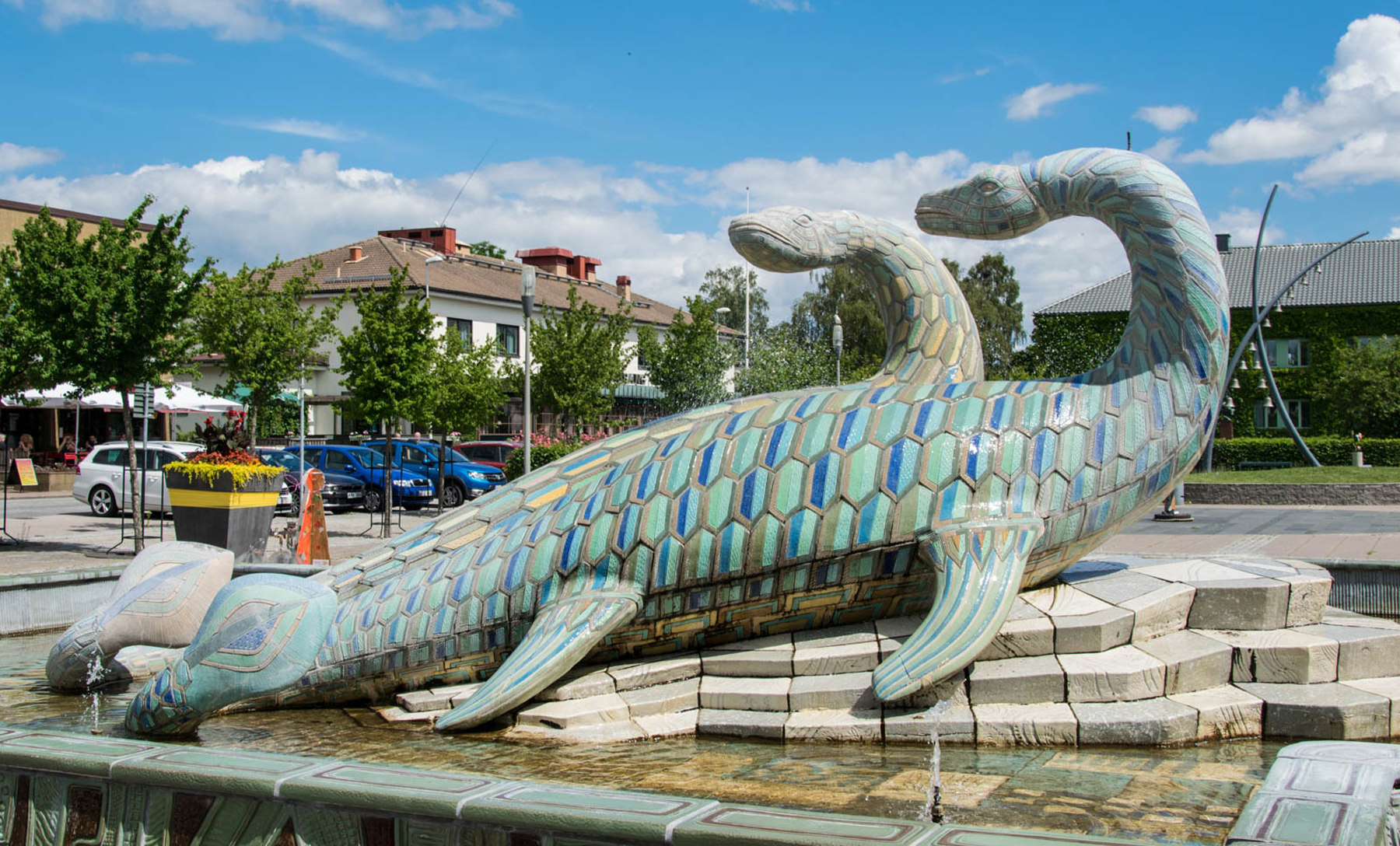 Scanisaurus
Near the Scanisaurus fountain, you’ll find another of Bromölla’s wonderfully quirky attractions: Världens Minsta Galleri, or “The World’s Smallest Gallery.” Housed inside an old telephone booth, this tiny gallery features a small black granite sculpture. Although modest in size, it is hard to miss, and its unusual setting naturally draws the attention of curious visitors.
And Bromölla doesn’t stop there when it comes to making the most of its old telephone booths. Next to the train station, you’ll find Sweden’s smallest library, another former telephone booth given a new purpose. Inside, books have replaced the telephone, creating a charming little library that is especially convenient for commuters waiting for their train.
These tiny attractions perfectly capture Bromölla’s character: creative, unexpected, and full of little details that make exploring the town so enjoyable.
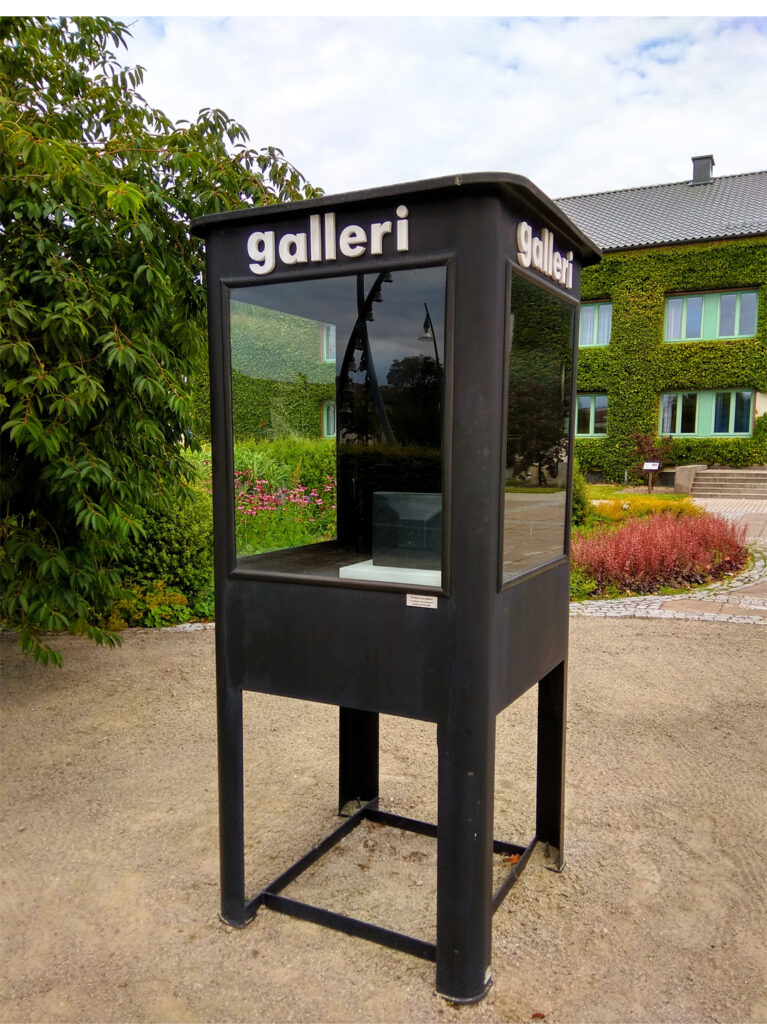 The smallest gallery in the world
Just a short walk from the town centre lies Bruksusen, a small cluster of what remains of the former workers’ settlement built for employees of the Ifö factory.
The settlement was established in 1905 and originally consisted of around 30 houses. Today, only eight of these historic homes remain, offering a glimpse into the lives of the workers and their families during Bromölla’s industrial era.
The Ivetofta Heritage Association has transformed one of the houses into a small museum, recreating the living conditions of the time and showing how local workers would have lived more than a century ago. Another of the houses has been turned into a museum dedicated to an old village shop, preserving another piece of everyday life from Bromölla’s past.
Walking among these modest wooden houses, it is easy to imagine the community that once lived here and the important role the Ifö factory played in shaping the town.
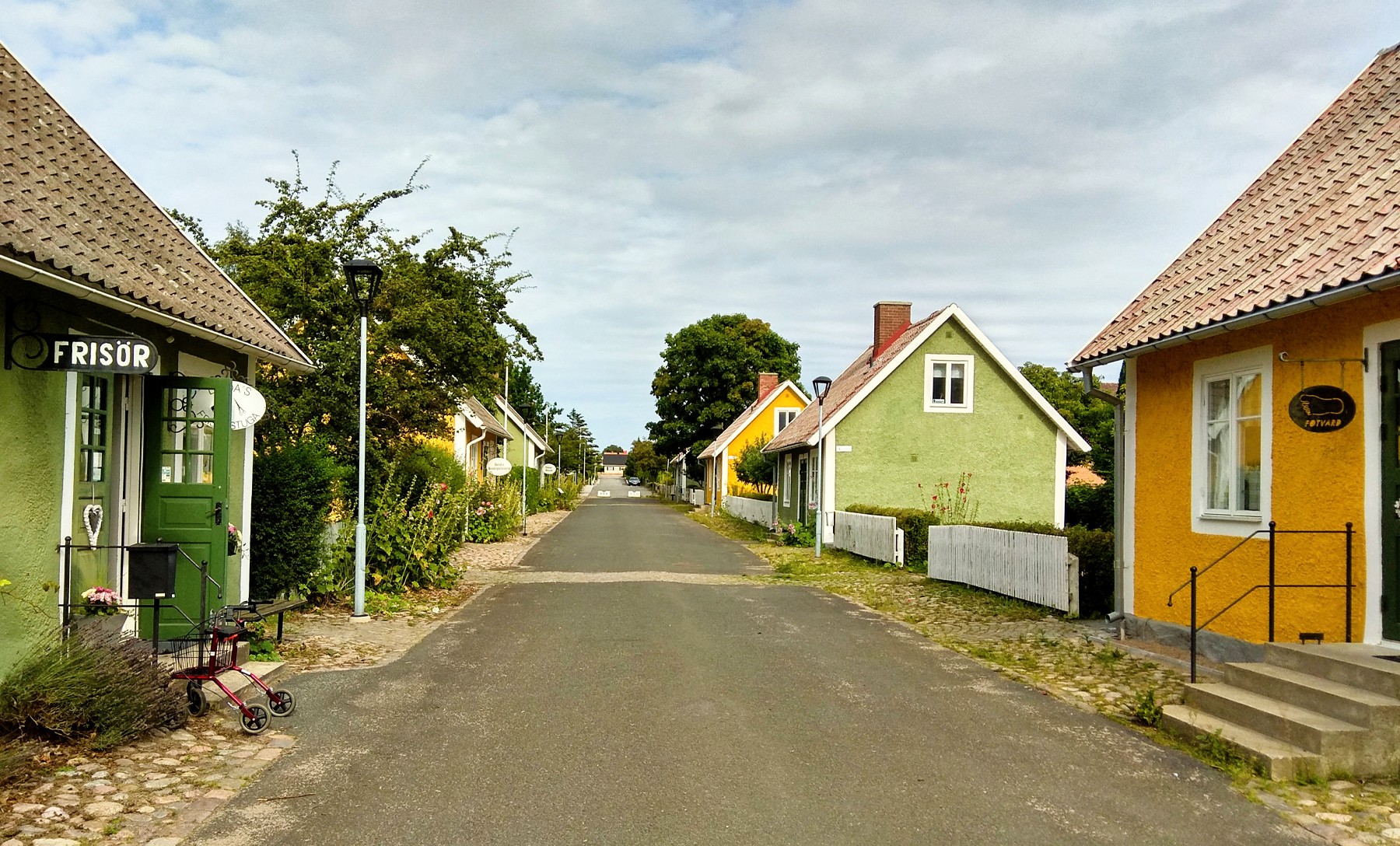
Bruksusen
Sweden has almost 100,000 lakes, so you are never too far from the water. Lakes are an important part of Swedish culture and leisure, offering an easy way to slow down, spend time outdoors, and connect with nature.
Levrasjön, near Bromölla, is a lovely example. The lake is home to a waterski club and is a popular spot for enjoying a picnic, taking a swim, or simply relaxing by the water.
I have to admit, the water was a little too cold for my taste! Still, it was a wonderfully relaxed and pleasant day — the kind of simple summer experience that makes you appreciate the beauty of the Swedish countryside.
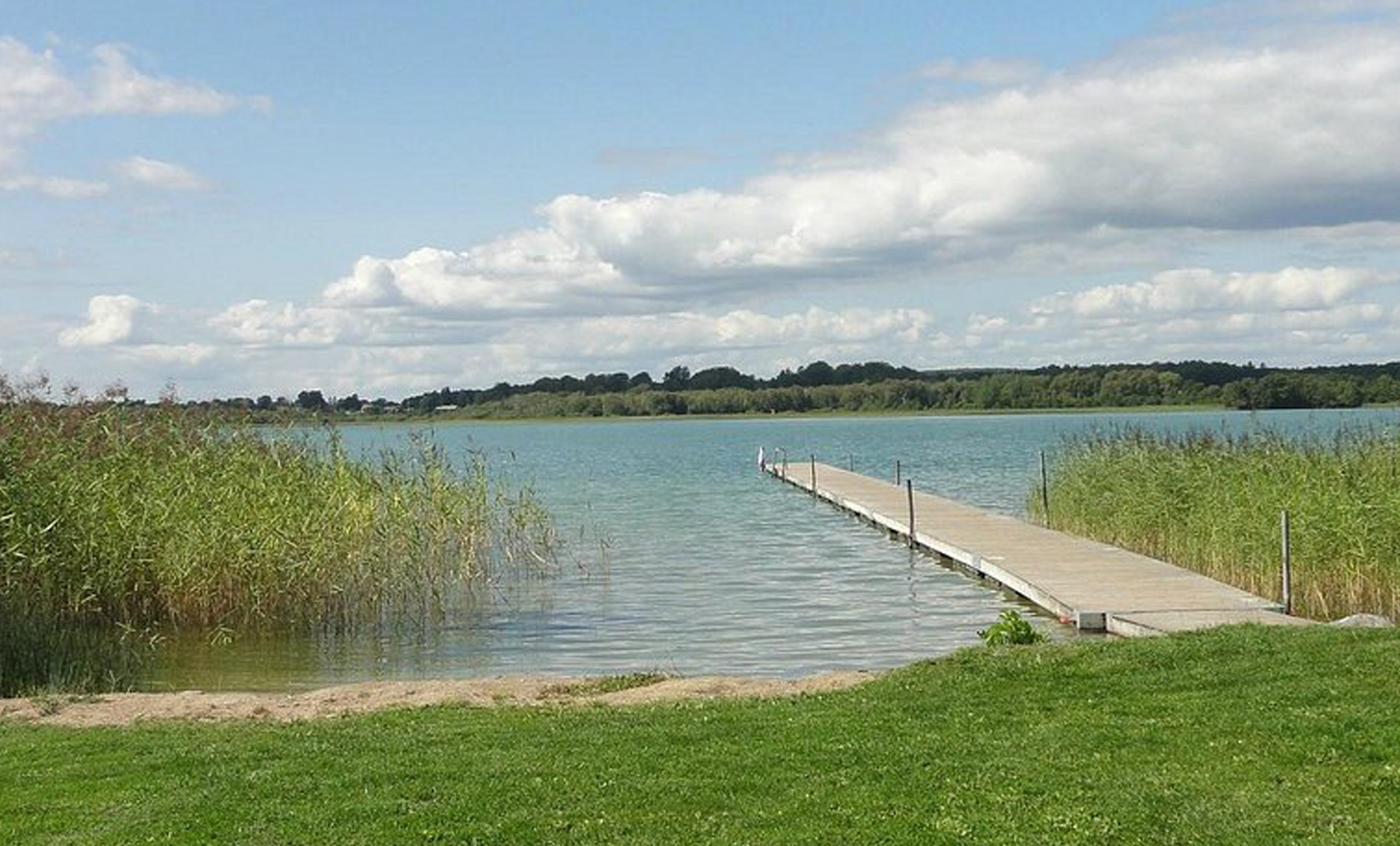
Levra Lake (Levrasjön)
One of the highlights of the Swedish summer calendar is kräftskiva, the traditional Swedish crayfish party — and we were incredibly lucky to be invited to experience one ourselves.
Held in August, kräftskiva is an annual celebration where family and friends come together to enjoy plates piled high with crayfish, drinks, and plenty of singing. It is a wonderfully social way to mark the end of summer, with long evenings spent outdoors and good food shared around the table.
Our table was set up in the garden and decorated with all the classic crayfish-party touches: colourful crayfish-themed decorations, paper hats, trays piled with crayfish, delicious side dishes, and, of course, plenty of drinks. And then there were the drinking songs!
Somehow, I ended up joining in and singing along in Swedish — a language I definitely do not speak! Needless to say, the following morning was not quite as enjoyable as the party itself. But it was certainly an unforgettable Swedish experience!

A day on Ivö, the largest island in Ivö Lake, was the perfect setting for an improvised barbecue and a little fossil hunting. The island’s natural surroundings made it an ideal place to slow down, enjoy the outdoors, and spend a relaxed day by the water.
We found plenty of fossils during our search, although we resisted the temptation to take them all home. In the end, we brought back just one very small fossil as our little souvenir from Sweden.
To reach the island, we drove to Barum, where we caught the free cable-driven ferry across to Ivö. The ferry runs regularly, making the short crossing an easy and rather charming part of the adventure.
Between the barbecue, fossil hunting, and peaceful surroundings, it was one of those wonderfully unplanned days that turned into a memorable part of our Swedish trip.
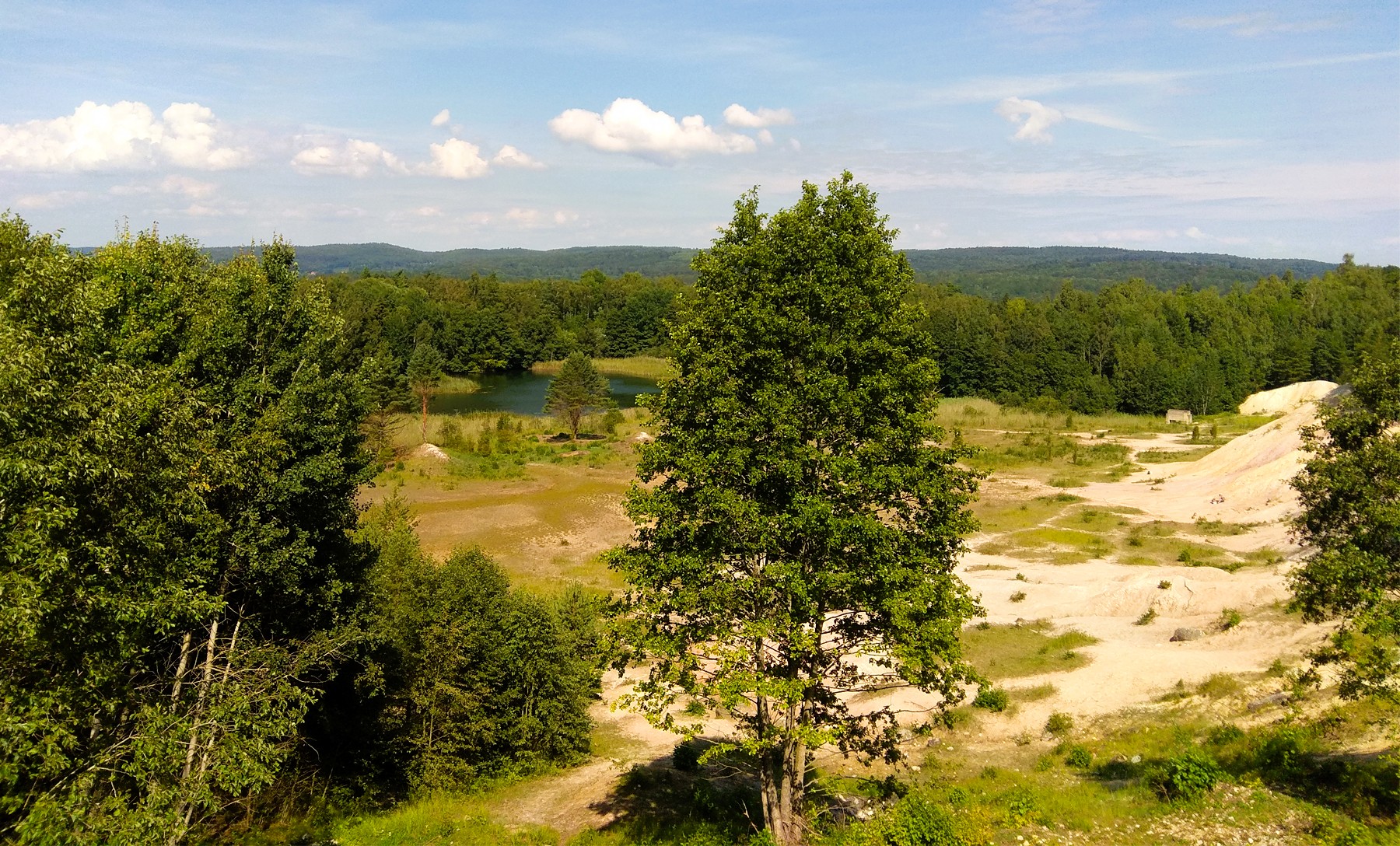 Ivö island
We were incredibly lucky with the weather during our time in Sweden, with only one rainy day. And as it turned out, a little rain made for the perfect opportunity to go mushroom foraging.
Mushroom picking is a much-loved tradition in Sweden, particularly in late summer and autumn. It is made possible by allemansrätten, the Swedish right of public access, which allows people to enjoy and forage in nature, including picking wild mushrooms and berries, provided they do so responsibly, respect the environment, and leave no trace behind.
We headed into the forest and came back with plenty of kantareller (chanterelles), recognisable by their beautiful golden colour and delicate, trumpet-like shape.
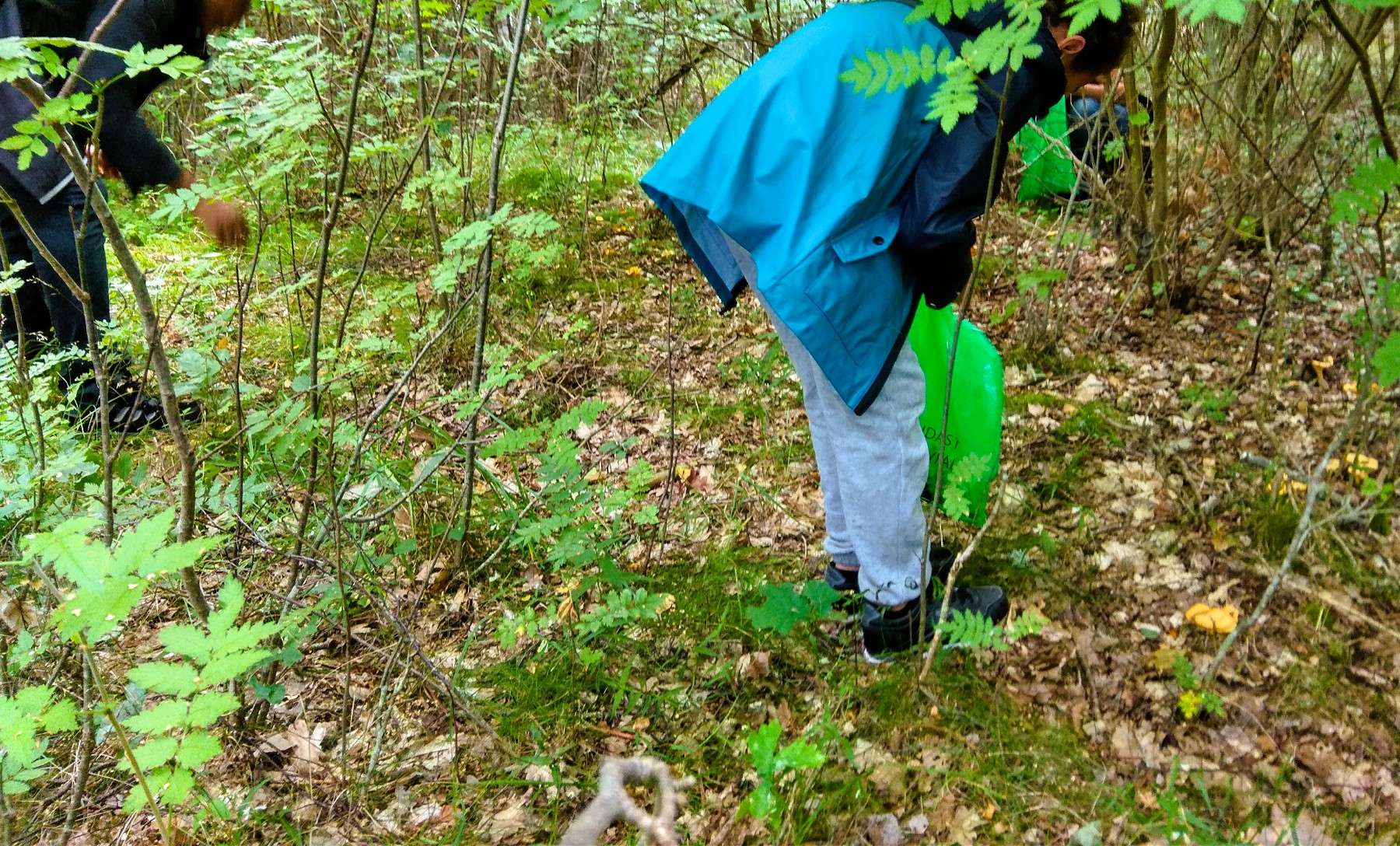
After carefully cleaning them, we prepared them using a delicious Swedish recipe and served them piled generously on thick slices of wonderfully crusty bread.
There was something especially satisfying about eating food we had foraged ourselves — fresh from the Swedish forest and straight onto our plates.
 Kanterell
Described as one of Sweden’s most beautiful beaches, Knäbäckshusen beach, on the eastern coast of Skåne, is a picture-perfect stretch of coastline. With its soft white sand, shallow turquoise waters, and lush pine trees leaning gently over the shore, it feels almost tropical — although the Scandinavian setting quickly reminds you where you are.
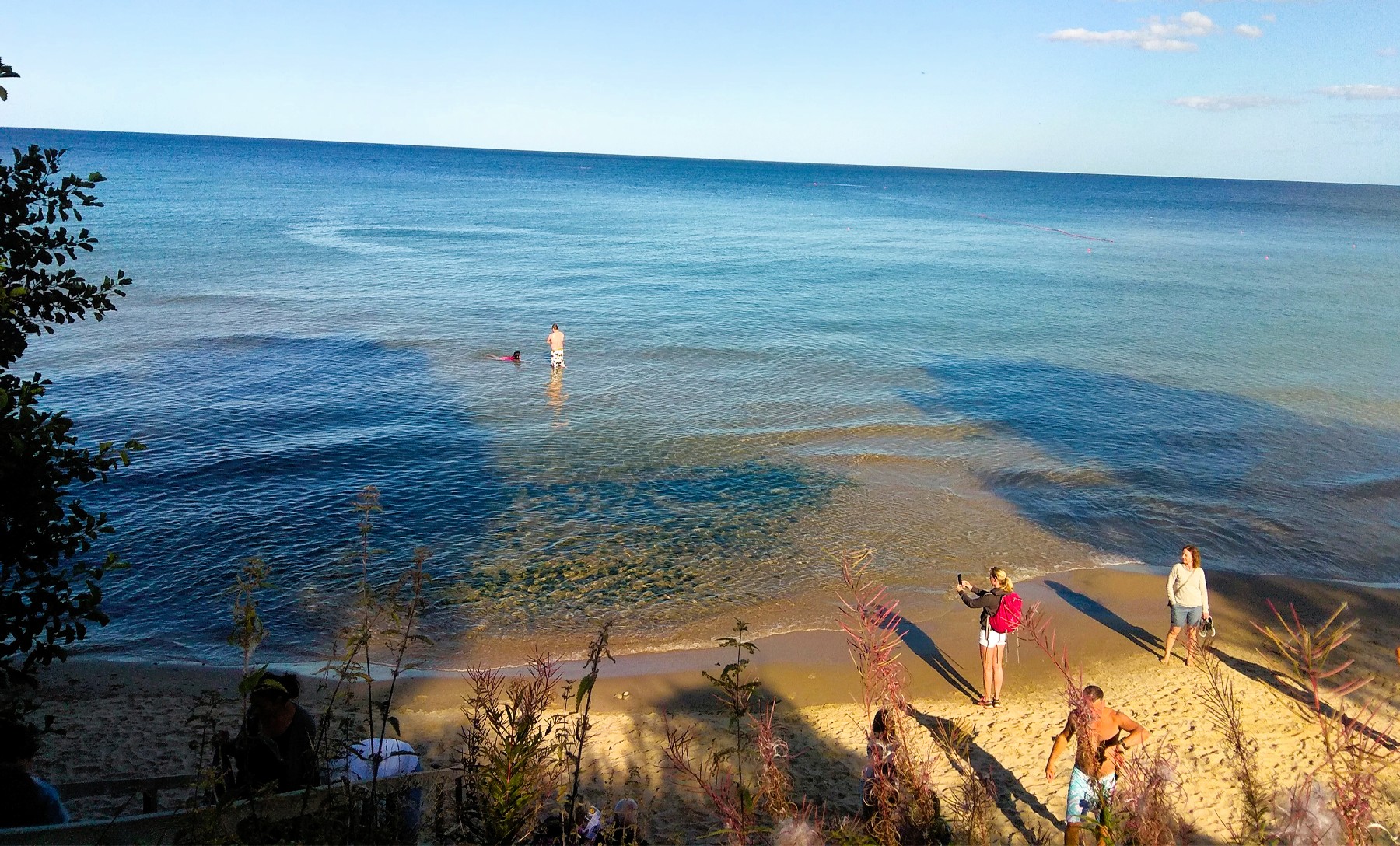 Knäbäckshusen beach
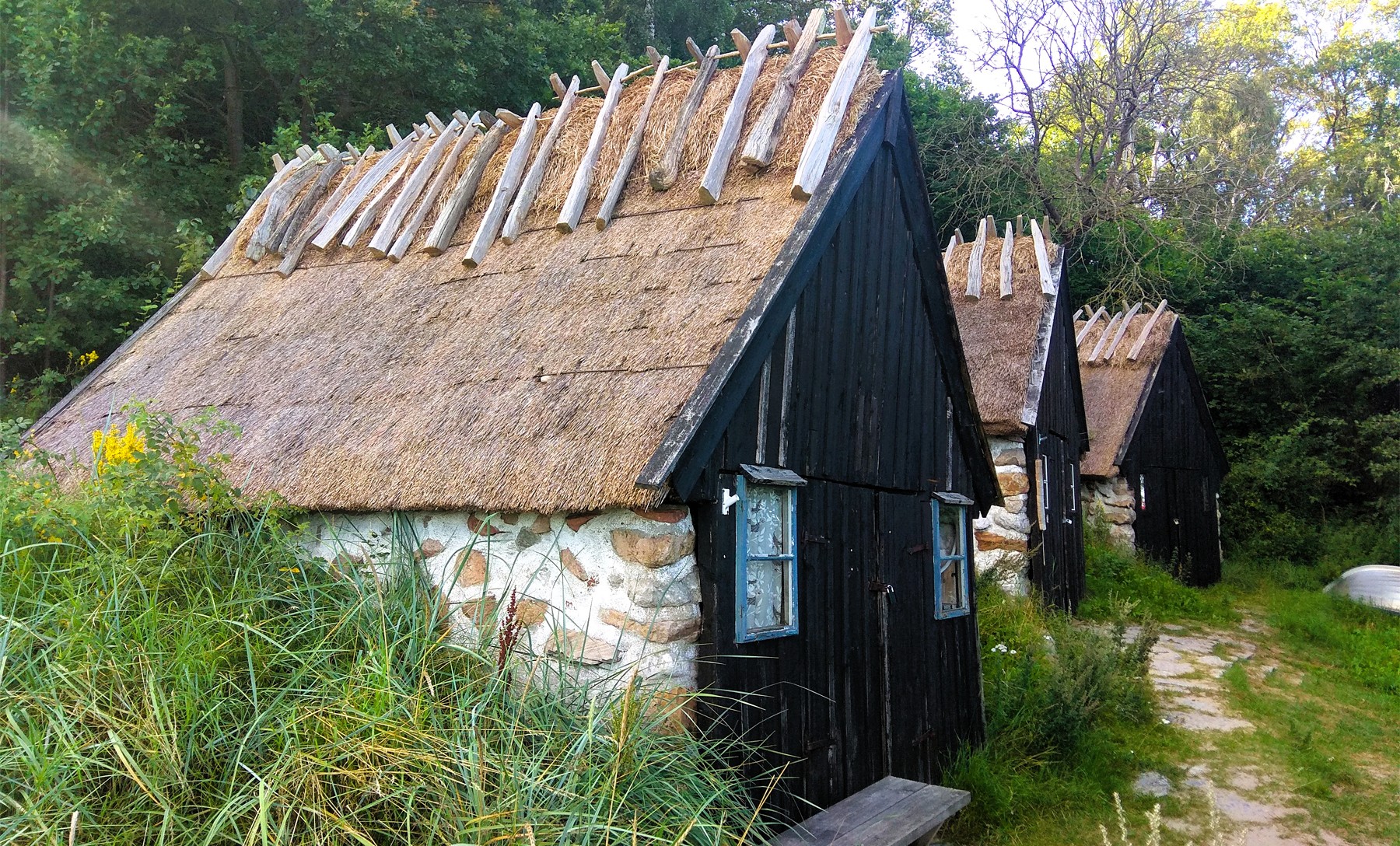
As we followed the path down towards the beach, we came across a row of charming half-timbered buildings. One of them is a small chapel, while the others are believed to have originally been old fish stalls, reflecting the area’s fishing heritage.
Surrounded by woodland and traditional architecture, the walk down to the beach is almost as charming as the beach itself.
Perched on the south-eastern tip of Sweden, Österlen is an idyllic corner of Skåne, known for its sandy beaches, charming villages, rolling countryside, and picturesque apple orchards.
One of its most charming towns is Kivik, a cosy little coastal town with a pretty harbour and a long-standing connection to apple growing. It is also home to Kiviks Musteri, Sweden’s largest apple orchard.
A visit to Kiviks Musteri is well worth it. Surrounded by beautiful apple orchards, the estate celebrates the traditional craft of producing apple juice, cider, and a variety of other apple-based products. There is also a lovely café, restaurant, and shop where you can sample and take home some of the local produce.
With its combination of coastal scenery, traditional villages, and endless apple trees, Österlen feels like one of those places where you could happily slow down and spend a few days simply exploring.
Also in Österlen is Sandhammaren Beach, a beautiful coastal treasure on the shores of the Baltic Sea. With its wide stretch of soft, white sand, rolling dunes, and surrounding pine forests, it is an idyllic place to enjoy the wild beauty of Sweden’s southern coastline.
Österlen is known for its gently rolling hills and dramatic coastal landscapes, but the region also has a fascinating geological character. Scattered throughout the area are numerous ancient and impressive rock formations, adding another layer of history and mystery to an already striking landscape.
Standing among the dunes, with the Baltic Sea stretching into the distance, it is easy to understand why this corner of Skåne is so captivating.
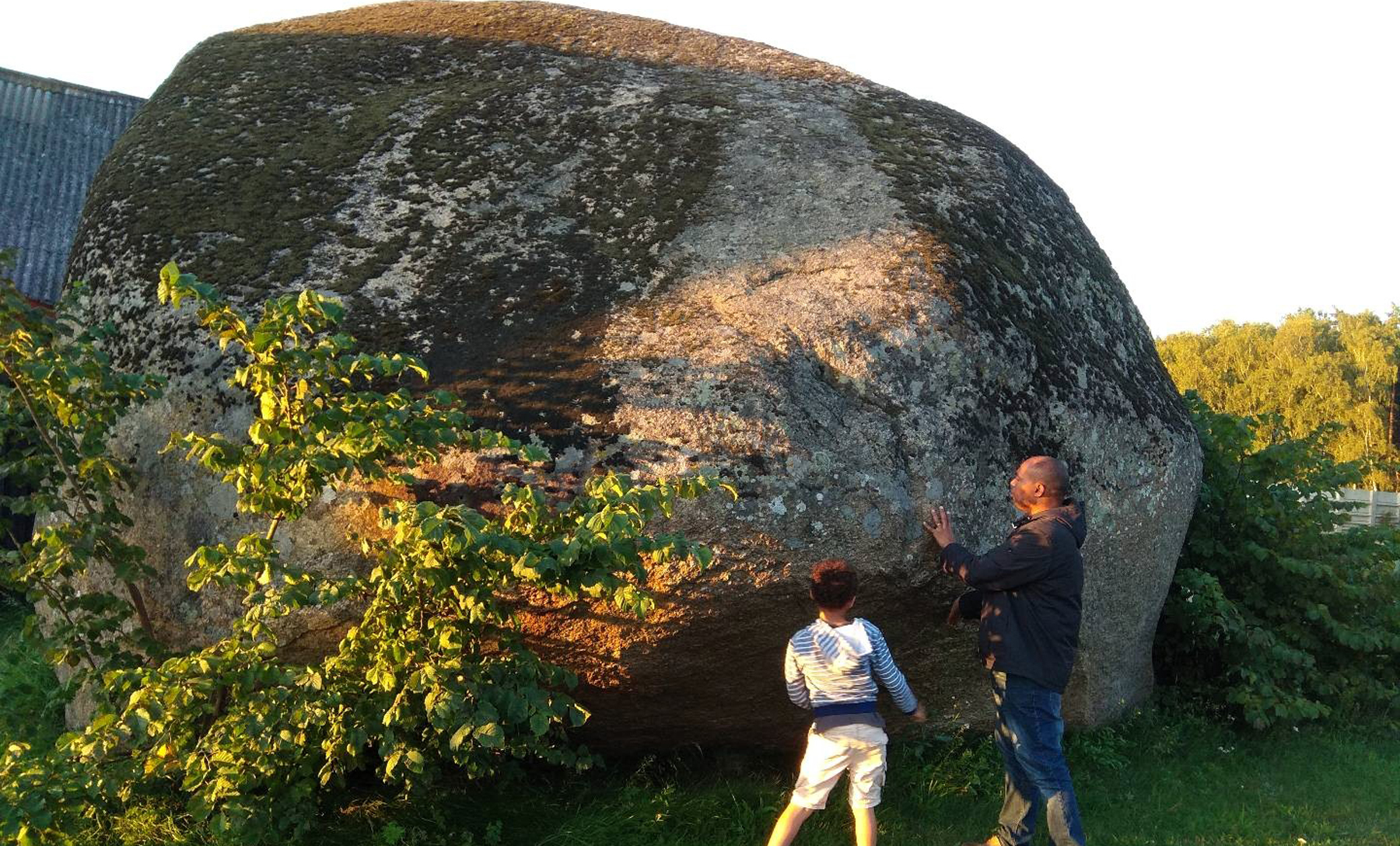 Maglesten
But above all, what made the trip so special was the people. We were welcomed with such warmth and generosity, and that is what we will remember most.
Sweden gave us beautiful places to explore, wonderful experiences to share, and memories that will stay with us for a very long time.
Good to know:
Fika
The Swedes love coffee. In fact, fika is something of a social institution in Sweden.
Fika is a Swedish tradition of taking time out of your day to pause, enjoy a cup of coffee, and perhaps have something sweet or a small snack alongside it. But fika is about much more than coffee — it is about giving yourself permission to take a break, slow down, and spend time with others. And it can happen several times a day!
Alcohol
While alcoholic drinks are available in bars and restaurants, if you want to buy alcohol to enjoy at home, you need to visit Systembolaget, Sweden’s state-owned alcohol retailer. The government maintains a retail monopoly on alcoholic beverages, which is one factor behind Sweden’s relatively high alcohol prices.
Tap Water
Swedish tap water is renowned for its quality, cleanliness, and fresh taste. There is no need to buy bottled water when travelling around Sweden — the tap water is safe to drink.
Recycling
Swedes are very environmentally conscious, and Sweden has an extensive system for recycling and waste management. The country is particularly well known for turning a large proportion of household waste into recycled materials or energy.
Take Your Shoes Off
If you are invited into someone’s home, remember to take your shoes off before entering. It is not only a matter of keeping the house clean but also a simple sign of respect for your host.